A professional information and consulting platform for agriculture, forestry, animal husbandry, fishery and related light industry sectors;

China Seeks Controls on Titanium Fastener Exports





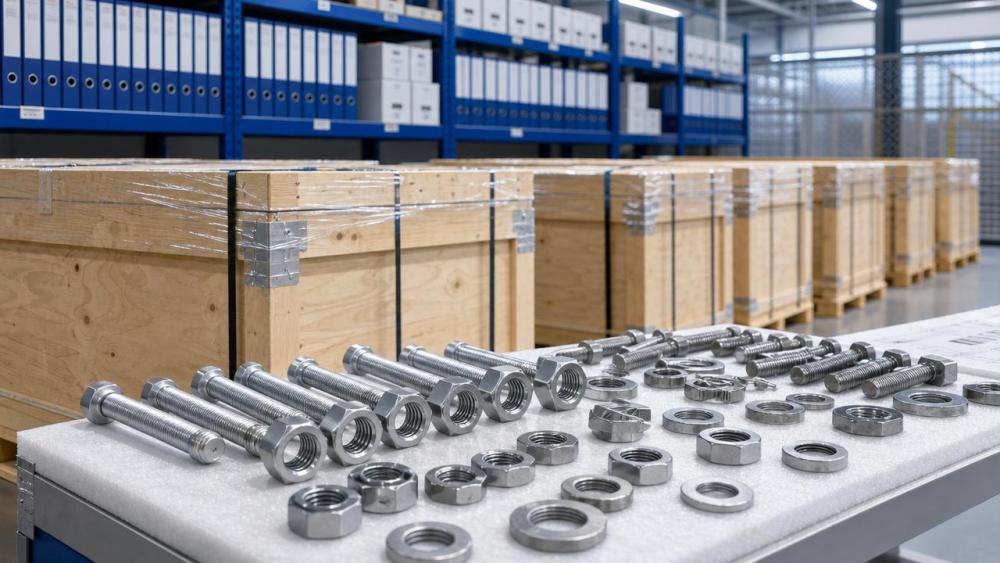
On June 4, 2026, China’s Ministry of Commerce released a draft revision of its dual-use items and technology export control list for public comment, proposing to place high-strength, corrosion-resistant titanium alloy fasteners, including ASTM B348 Grade 23 and Grade 29, under export licensing. For companies involved in titanium fastener exports, overseas procurement, manufacturing coordination, and cross-border delivery planning, this is worth close attention because the proposal points to a potential change in compliance review, shipping preparation, and lead-time management for certain destinations.
A draft signal that may tighten export procedures
The confirmed development is limited but clear. China’s Ministry of Commerce opened consultation on June 4, 2026 regarding a revised draft of the dual-use items and technology export control list. The draft proposes adding high-strength, corrosion-resistant titanium alloy fasteners to the scope of export license management, and the description includes ASTM B348 Grade 23 and Grade 29.
The event summary further states that, if formally implemented, deliveries to non-Wassenaar destinations such as Russia, India, and parts of the Middle East could face an additional 4 to 6 weeks in lead time, together with a requirement for an end-user statement. At this stage, the input describes a consultation draft rather than a confirmed final rule.
Where the pressure could appear along the supply chain
Export contracts may face a new documentation gate
From an industry perspective, direct exporters are the first group likely to feel the effect if the proposal becomes effective. The main impact would not only be on customs preparation, but also on internal contract review, customer screening, and shipment release timing. What deserves closer attention is whether sales teams and compliance teams can align product specifications, destination screening, and end-user documentation before shipment windows are fixed.
Overseas buyers may need to revise purchasing schedules
For buyers sourcing titanium fasteners from China, the practical issue is timing. Analysis shows that any licensing step and end-user declaration requirement could shift purchasing decisions earlier in the cycle, especially for orders tied to fixed maintenance schedules, construction milestones, or project delivery dates. Procurement teams would need to pay closer attention to specification matching, document readiness, and the risk of schedule slippage if a transaction falls within the proposed control scope.
Manufacturing and supply-chain coordinators may need tighter order classification
Processors, manufacturers, and supply-chain service providers may also be affected because the proposal is product-specific rather than purely customer-specific. Observably, the immediate operational issue would be whether order classification, material grade identification, and export document preparation are handled consistently across production, warehousing, and shipping. Where titanium alloy grades and fastener applications are involved, technical files may become more important in supporting compliance review.
What companies should watch before the rule is finalized
Track the final wording and scope definition
Because the current development is a draft for public comment, companies should first monitor whether the final text keeps the same product scope, including the treatment of high-strength, corrosion-resistant titanium alloy fasteners and the cited ASTM grades. It is more appropriate to understand this as a rule dynamic that still requires confirmation rather than as a fully settled compliance outcome.
Prepare end-user and technical documentation earlier
If the proposed approach is retained, exporters and buyers may need earlier coordination on end-user statements and technical product descriptions. Analysis shows that documentation quality could become a practical bottleneck if commercial documents, technical specifications, and destination information are not aligned in advance.
Recheck delivery promises and bid commitments
Companies involved in quotations, tenders, or long-lead procurement should review whether current delivery commitments leave room for a possible 4 to 6 week extension for affected destinations. This does not mean all orders will be delayed, but it does suggest that lead-time assumptions may need to be revisited where the proposed licensing process could apply.
Focus on traceability in controlled product categories
What deserves closer attention is product traceability. Where controlled grades or equivalent high-performance titanium fasteners are involved, businesses may need clearer internal records linking material grade, product specification, order destination, and supporting documents, so that compliance review does not become disconnected from actual shipment preparation.
Why the market is treating this as an execution signal
Observably, this development is not yet a final compliance result, but neither is it a routine headline with little operational value. For the titanium fastener trade, the draft signals that export control review may move closer to specific high-performance fastener categories. Analysis shows that the market should read this less as an immediate trade shutdown and more as an early execution signal: companies have time to review contracts, classifications, and documentation processes, but they should not wait for the final step to begin internal preparation.
It is also reasonable to keep watching how official language, procurement documents, and customer compliance requests evolve after the consultation stage. Those changes may determine whether the practical burden falls mainly on licensing lead time, technical classification, end-user verification, or a combination of all three.
A narrower window, but not yet a settled outcome
At present, the most balanced reading is that the proposed list revision could narrow the export window for certain titanium fasteners by adding licensing and documentation friction, especially for non-Wassenaar destinations identified in the event summary. The confirmed fact is the release of a consultation draft; the broader commercial effect still depends on how the final rule is written and applied. For industry participants, this is best understood as a policy-development signal that merits active monitoring rather than a completed regulatory endpoint.
Basis of this article and what still needs verification
This article is generated from the user-provided news title, event date, and event summary. For developments of this type, relevant source categories usually include official notices, releases from regulatory or trade authorities, customs or trade administration updates, industry association information, standard-setting documents, and reporting by authoritative media. A specific official source link was not provided in the input, so subsequent verification remains necessary.
Further observation is still needed on the final policy text, implementation language, compliance interpretation, end-user document practice, possible changes in tender or procurement documents, market feedback, and how companies actually adjust delivery and export procedures if the draft moves into formal effect.
Related News
- 00
0000-00
Titanium Fastener Lead Times Reach 22 Weeks - 00
0000-00
China Raises Q3 Titanium Fastener Export Quota - 00
0000-00
Titanium Alloy Machining for Medical Parts: Tolerances, Tools, and Risk Points - 00
0000-00
How to Evaluate an Aircraft Rivet Exporter for Specs, Traceability, and Delivery - 00
0000-00
Aerospace Rivet Supplier Data: How to Compare Certifications, Capacity, and Traceability
0000-00
Marcus Aero
Weekly Insights
Stay ahead with our curated technology reports delivered every Monday.
News Recommendations
The five pillar industries provide end-to-end industry intelligence.
 Author :Dr. Elena BioIndexBox: Biopharma Expansion to Drive Endotoxin-Retentive Filter Market GrowthExplore IndexBox’s endotoxin-retentive filter market outlook through 2035: how biopharma expansion, recurring demand and single-use assemblies could shape growth opportunities.
 Author :Dr. Elena BioEurope Bioreactor Market Share: Single-Use vs. Stainless Steel SystemsExplore Europe bioreactor market share through single-use vs. stainless steel systems. Compare costs, scalability, and supply risks to make smarter investment decisions.
 Author :Dr. Elena BioProlific Machines Closes $50 Million Series B2 First Close to Advance Bioreactor TechnologyProlific Machines announces the first close of a $50 million Series B2 to advance bioreactor technology. Explore what its photomolecular platform could mean for biomanufacturing.
 Author :Dr. Elena BioGlobal Agricultural Solutions: How to Assess Case Studies for Local UseBuild a global agricultural solution reference that works locally. Learn to assess case studies, compare costs, and validate results before investing. Make smarter farm decisions.
 Author :Dr. Elena BioNovo Nordisk Announces $11 Billion Acquisition of Three Fill-Finish SitesNovo Nordisk plans an $11 billion acquisition of three fill-finish sites to support Ozempic and Wegovy production. Explore potential impacts on capacity, suppliers and manufacturing customers.
 Author :Dr. Aris ChemChoosing a Low-Rebound Shotcrete Accelerator: Dosage and Cement CompatibilityChoose a low rebound shotcrete accelerator with confidence. Learn how to verify cement compatibility, optimize dosage, and reduce waste without compromising strength.
 Author :Dr. Elena BioDairy Processing Application Guide: Process Requirements for Milk, Cheese, and YogurtExplore the application scenario guide dairy processing teams need to optimize milk, cheese, and yogurt production, strengthen hygiene, and avoid costly bottlenecks.
 Author :Vibration AnalyzersTemperature Sensor Response Time in Food Processing: How Fast Is Fast Enough?Temperature sensor response time in food processing: learn how to compare probes, reduce detection delays, and validate installed performance. Find out how fast is fast enough.
 Author :Marcus AeroEurope's Aerospace Supply Chain: Key Bottlenecks and Sourcing RisksExplore the aerospace supply chain Europe relies on. Uncover material bottlenecks, approval delays and supplier risks—and learn how to strengthen sourcing and protect deliveries.
 Author :Dr. Hideo TanakaTE Connectivity Launches High-Precision MEMS Pressure Sensor SeriesDiscover TE Connectivity’s high-precision MEMS pressure sensors, combining low power and long-term stability for demanding aerospace, industrial automation and medical applications.
 Author :Dr. Elena BioChoosing a Structured Product Information Supplier: Data Quality and Update FrequencyChoose a structured product information supplier with confidence. Learn how to assess data quality, validation, and update frequency to reduce sourcing risks and make smarter buying decisions.
 Author :Dr. Elena BioSelecting Functional Ingredients for Beverages: Efficacy and StabilityOptimize ingredient selection for functional ingredients in beverages. Discover how to verify efficacy, protect shelf-life stability, and deliver consistent doses at a competitive cost.
 Author :Vibration AnalyzersDisplacement Sensor Manufacturers in Latin America: Lead Times and Local SupportNeed a displacement sensor manufacturer Latin America can rely on? Compare lead times, local stock, and technical support to reduce downtime and choose the right supplier.
 Author :Vibration AnalyzersHow Can Sensor Records Help Trace Agricultural Product Origins?How can buyers trace the origin of agricultural products? Discover how sensor records, batch IDs, and custody checks help verify source claims and spot gaps before accepting a shipment.
 Author :Vibration AnalyzersCan Agricultural Sensors Integrate With Existing Processing Lines?Can agricultural technology integrate with existing processing lines? Explore sensor retrofit options, compatibility checks, and pilot tips to improve monitoring without replacing core equipment.
 Author :Dr. Hideo TanakaWhat Should Operators Do if Imported Farm Pressure Sensors Arrive Damaged?What should I do if imported farming equipment arrives damaged? Learn how to document sensor damage, file claims, secure replacements, and protect farm operations with practical steps.
 Author :Dr. Hideo TanakaHow Can Buyers Check Spare Parts Support for Farm Vibration Analyzers?How do I assess agricultural machinery spare parts availability? Learn how to verify farm vibration analyzer stock, compatibility, and repair support before buying to avoid costly downtime.
 Author :Dr. Aris ChemWhich Certifications Matter for Adhesives Used in Export Fishing Gear?What fishing gear certifications matter for export markets? Explore adhesive compliance, REACH, food-contact evidence, and durability tests to choose suppliers and ship with confidence.
 Author :Vibration AnalyzersHow Can OEM Verification Help Buyers Avoid Counterfeit Farm Sensors?How can I avoid counterfeit farm supplies? Discover how OEM verification, supplier checks, and sensor inspections help reduce buying risks and protect farm operations.
 Author :Lina CleanWhich Modular Livestock Housing Systems Are Easiest to Scale?Which animal husbandry systems are easiest to scale? Compare modular barns, poultry houses, and pig units to find practical expansion options and avoid costly bottlenecks.
 Author :Dr. Hideo TanakaHow Often Should Irrigation Pressure Sensors Be Serviced?How often should commercial irrigation systems be serviced? Discover pressure sensor maintenance intervals, warning signs, and accuracy checks to help cut downtime and reduce water waste.
 Author :Dr. Elena BioChoosing Livestock Procurement Planning Support to Reduce Feed Supply RiskChoose procurement planning support for livestock operations to reduce feed supply risk. Compare forecasting, inventory visibility, and supplier reliability for smarter purchasing decisions.
 Author :Dr. Elena BioAquaculture Equipment: What Each System Does in a Modern Fish FarmAquaculture equipment information for modern fish farms: explore water management, aeration, filtration, feeding, monitoring, fish handling, and backup systems.
 Author :Lina CleanSelecting 1200 x 600 Ceiling Grid Systems for Cleanroom Load and Access Needs1200x600 ceiling grid selection guide for cleanrooms: assess loads, independent equipment support, panel access, sealing, and durable materials for reliable performance.
 Author :Dr. Elena BioSeed Processing Equipment Guide: Selecting Cleaners, Graders, and Treaters by CropAgricultural equipment guide for seed processing: compare crop-specific cleaners, graders, and treaters to improve purity, protect germination, and select a scalable processing line.
 Author :Dr. Elena BioWhat Counts as Forestry Products? A Guide to Timber, Pulp, Biomass, and NTFPsForestry products explained: explore timber, pulp, paper, biomass, and NTFPs, plus sourcing, certification, and trade insights for smarter decisions.
 Author :Dr. Elena BioWhen Is an Industrial Product Subject to FDA Compliance? A Documentation ChecklistIndustrial product knowledge for FDA compliance: learn when contact, intended use, and exposure trigger requirements, plus a practical documentation checklist for confident sourcing.
 Author :Dr. Elena BioSemiconductor Sourcing Strategy: How to Reduce Allocation Risk and Lead-Time ExposureSemiconductor sourcing strategy insights to reduce allocation risk, control lead-time exposure, qualify alternates, and protect production with smarter supply planning.
 Author :Dr. Elena BioDistributor Product Research in Europe: Finding Profitable Market GapsDistributor product research Europe: uncover profitable market gaps with practical insights on demand, compliance, local supply, and scalable routes to market.
 Author :Lina CleanHow to Select Biopharma Cleanroom Modules for GMP-Ready Facility ExpansionBiopharma cleanroom modules: learn how to select scalable, GMP-ready systems that support contamination control, validation, flexible expansion, and reliable delivery.
 Author :Dr. Elena BioFood Ingredient OEM Cooperation: A Due Diligence Checklist for Brand BuyersOEM cooperation guide for food ingredients: use this due diligence checklist to assess quality systems, compliance, capacity, costs, and supplier risk before choosing an OEM partner.
 Author :Dr. Elena BioOEM Cooperation Pricing: What Should Buyers Confirm Before Requesting a Quote?OEM cooperation guide pricing: learn what buyers should confirm before requesting a quote, from specifications and MOQ to quality, lead times, and hidden costs.
 Author :Dr. Elena BioHow to Select Farm Equipment Solutions for Small and Mid-Sized OperationsFarm equipment solutions for small and mid-sized operations: compare capacity, total cost, technology, and supplier support to choose reliable equipment that protects productivity and budget.
 Author :Dr. Elena BioAnimal Husbandry Price Trends: What Feed Costs and Herd Cycles Mean for 2026 MarginsAnimal husbandry price trends for 2026: explore how feed costs, herd cycles, disease, trade, and operational discipline could shape livestock margins and smarter business decisions.
 Author :Dr. Elena BioHydraulic Valve Price by Pressure Rating: What Buyers Should Compare Before OrderingHydraulic valve pressure rating price guide: compare continuous pressure, surge tolerance, flow capacity, seals, and documentation to buy the right valve with confidence.
 Author :Marcus AeroAerospace Material Hardness Comparison: Selecting Alloys for Wear and Fatigue LoadsMaterial hardness comparison aerospace guide: compare alloys for wear and fatigue loads, balancing hardness, toughness, coatings, corrosion resistance, and manufacturing risk.
 Author :Dr. Elena BioLivestock Market Outlook: Supply, Feed Costs, and Pricing Risks for BuyersLivestock market outlook for buyers: assess supply availability, feed-cost pressure, and pricing risks to secure reliable volumes and make smarter purchasing decisions.
 Author :Dr. Aris ChemChemical Sourcing Specification Preparation: What Buyers Must Define Before RFQsSpecification preparation guide for chemical sourcing: define identity, quality, packaging, shelf-life, documentation, and acceptance rules before RFQs for comparable quotes and fewer supply risks.
 Author :Dr. Elena BioCustomization Service Costs: What Information Should Procurement Teams Request?Customization service information cost explained: learn what procurement teams should request to compare quotes, control hidden expenses, and negotiate customized supply projects with confidence.
 Author :Dr. Elena BioAgricultural Trade Market Report: Key Supply, Price, and Policy Signals to TrackAgricultural trade market report: track supply, prices, trade flows, policy shifts, and technology signals to reduce risk, assess suppliers, and uncover new opportunities.