A professional information and consulting platform for agriculture, forestry, animal husbandry, fishery and related light industry sectors;

Agricultural Trade Trends Shaping Input Prices in 2026





As global supply chains adjust and policy shifts ripple across markets, agricultural trade trends are becoming a decisive factor in input pricing for 2026. For business evaluators tracking cost structures, procurement risks, and margin pressure, understanding how trade flows, tariffs, logistics, and commodity demand interact is essential to making informed assessments in an increasingly volatile agricultural landscape.
Why scenario-based analysis matters for 2026 input price assessment
For business evaluators, the practical value of agricultural trade trends lies not in headline commentary, but in how those trends affect specific operating situations. A feed producer, a food processor, an importer of timber-based materials, and an aquaculture supplier may all face higher input costs in 2026, yet the drivers behind those costs can differ sharply. In one case, a tariff revision may dominate. In another, freight bottlenecks, currency shifts, weather-driven supply gaps, or export restrictions may matter more.
This is why scenario-based review is critical. Rather than asking whether agricultural trade trends are generally positive or negative, evaluators should ask where exposure sits in the chain, which inputs are trade-sensitive, how quickly suppliers can substitute origin, and whether the business can pass cost increases through to customers. The same trade environment can produce very different valuation implications depending on procurement structure, inventory policy, contract duration, and customer pricing power.
In 2026, businesses connected to agriculture, forestry, animal husbandry, fishery, and light processing industries are likely to face a more fragmented market. Trade corridors may reopen in some regions while strategic restrictions tighten in others. That makes agricultural trade trends especially important for scenario testing, sensitivity modeling, and forward-looking cost assessment.
The main trade forces shaping input prices in 2026
Before breaking down business scenarios, it helps to identify the forces most likely to influence input prices. Agricultural trade trends in 2026 will be shaped by a mix of policy, logistics, supply concentration, and demand reallocation across regions.
- Tariff changes and trade defense measures affecting grains, oilseeds, fertilizers, wood products, feed ingredients, and seafood inputs.
- Export controls or licensing requirements introduced to protect domestic food security or resource availability.
- Freight cost volatility linked to port congestion, shipping route shifts, fuel prices, and insurance premiums.
- Currency fluctuations that alter import parity and supplier competitiveness.
- Climate-related supply disruption in key producing regions, which can rapidly redirect global trade flows.
- Demand shifts from biofuels, food processing, feed consumption, and industrial light manufacturing.
For evaluators, these factors should not be treated as isolated variables. Agricultural trade trends often move through the market in layers: first availability, then logistics, then replacement sourcing, and finally delivered price. Businesses that depend on imported or semi-processed inputs are especially exposed when these layers move at the same time.

Typical business scenarios where agricultural trade trends directly affect cost structures
Different industries encounter agricultural trade trends through different cost channels. The table below highlights how scenario type changes what an evaluator should focus on.
Scenario 1: Import-dependent processors need to focus on landed cost, not benchmark prices
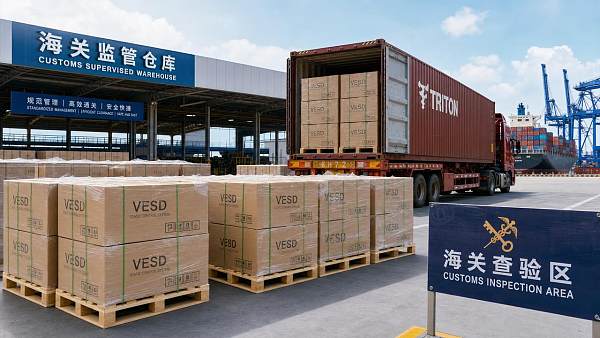
One of the most common misjudgments in reviewing agricultural trade trends is overreliance on global benchmark prices. For import-dependent processors, benchmark declines do not automatically translate into lower actual costs. Delivered input prices depend on ocean freight, inland transport, customs processing, exchange rates, and any temporary trade measure introduced between purchase and arrival.
This scenario often applies to edible oil processors, feed producers, timber users, and specialty ingredient importers. In 2026, evaluators should test whether the business has diversified supplier origins, how long import contracts remain fixed, and whether procurement teams hedge currency or freight risk. Agricultural trade trends may look favorable at origin while becoming unfavorable at destination due to logistics or policy friction.
The right question is not simply, “Will raw material prices rise?” It is, “How much of the total landed cost is controllable, and how quickly can the company re-source if trade conditions change?”
Scenario 2: Livestock and aquaculture operators are most exposed to feed-linked trade transmission
For animal husbandry and fishery businesses, agricultural trade trends usually reach the income statement through feed. Soymeal, corn, fishmeal, feed oils, amino acids, and vitamins are highly sensitive to cross-border flows. A modest disruption in export supply from one key producing country can ripple through feed formulation costs within weeks.
Business evaluators reviewing farms, integrators, hatcheries, or aquaculture operations should compare three factors: feed self-sufficiency, pricing linkage in customer contracts, and biological production cycle. If a company buys on spot markets while selling output on delayed contracts, it carries far more risk when agricultural trade trends turn adverse. This risk is amplified in businesses with limited storage, weak supplier leverage, or high dependence on imported micronutrients.
In practical terms, 2026 assessment should include scenario ranges for feed conversion economics, not just average annual price assumptions. A business with stable output prices but volatile feed exposure may appear profitable on historical numbers while being fragile under renewed trade pressure.
Scenario 3: Export-oriented agricultural suppliers must watch demand-side trade shifts
Not every price effect comes from import cost inflation. Export-facing companies can also see input pricing and margins shift when overseas demand patterns change. For example, stronger external demand for grain, seafood, wood products, or processed agricultural goods may tighten domestic supply and raise procurement costs for downstream users.
In this scenario, agricultural trade trends affect valuation through competition for supply. Companies that sell into international markets may benefit from stronger prices, but businesses buying the same materials domestically can face a squeeze. Evaluators should determine whether the company is positioned upstream or downstream in that tension. The same trade development may improve one firm's earnings and weaken another’s purchasing profile.
This is especially relevant for mixed businesses that both export finished goods and import raw materials. In 2026, the net effect will depend on timing, contract flexibility, and how quickly market signals feed into local procurement prices.
Scenario 4: Small and mid-sized enterprises face a different trade risk profile than large integrated groups
Agricultural trade trends do not affect all firms equally. Large integrated groups often have better tools: multi-origin sourcing, inventory buffers, long-term freight agreements, financing access, and stronger bargaining power. Small and mid-sized firms, by contrast, may depend on a narrow supplier base and shorter purchasing cycles, making them more vulnerable to sudden input repricing.
For business evaluators, this means scale is not just a size metric; it is a resilience metric. A smaller processor may report attractive margins during stable periods, yet be exposed to rapid cost escalation when agricultural trade trends tighten. Important indicators include days of raw material coverage, supplier concentration, ability to reformulate inputs, and use of framework contracts.
A practical review should separate temporary profitability from structural procurement strength. In 2026, that distinction may matter more than top-line growth.
How to judge scenario fit: questions evaluators should ask in each case
To use agricultural trade trends effectively in commercial assessment, evaluators should apply a scenario-fit checklist rather than rely on generic market direction. The most useful questions include:
- Which inputs are directly imported, and which are domestically priced off international markets?
- How concentrated is supply by country, port, trader, or transport route?
- How much time passes between purchase commitment and production use?
- Can the business substitute grades, origins, or formulations without damaging output quality?
- Do customer contracts allow timely cost pass-through?
- How much working capital is needed if trade disruption forces higher safety stock?
- What assumptions in the valuation model are most sensitive to trade policy or freight volatility?
These questions help translate agricultural trade trends into measurable commercial implications. They also reduce the risk of using broad market narratives in place of company-specific exposure analysis.
Common mistakes when interpreting agricultural trade trends for input pricing
Several errors repeatedly weaken assessments. First, evaluators often assume that if global supply is improving, local input prices will automatically ease. In reality, logistics and policy changes can delay or block that transmission. Second, many models underestimate second-order effects, such as fertilizer cost changes influencing crop acreage, which later affects feed or food ingredient pricing.
Third, there is often too much focus on annual averages and not enough on timing. Agricultural trade trends can create short but intense price spikes that matter greatly for businesses with low inventory and weak pass-through ability. Fourth, some reviews treat all agricultural sectors alike, even though forestry, aquaculture, livestock, and sideline industries experience trade shocks differently.
Finally, evaluators sometimes miss the strategic response of counterparties. Suppliers may shorten quotations, tighten payment terms, or prioritize larger customers during uncertainty. Those behavior changes can affect effective input costs even when list prices appear stable.
Practical adaptation strategies by scenario
The most useful response to agricultural trade trends is not a single forecast but a scenario-specific action plan. Import-heavy businesses should improve origin diversification and review landed-cost modeling. Feed-sensitive operators should stress-test biological margins against multiple ingredient price bands. Export-facing firms should analyze whether rising demand supports revenue more than it inflates procurement. Smaller firms should evaluate partnership buying, buffer inventory, or supplier consolidation to improve negotiating leverage.
For portals and market intelligence users in agriculture-related sectors, the best monitoring framework combines policy tracking, commodity pricing, shipping signals, and company-level procurement behavior. Business evaluators benefit most when agricultural trade trends are connected to real operating scenarios rather than treated as abstract macro commentary.
FAQ: what business evaluators most often need to clarify
Are agricultural trade trends more important for raw material buyers than for sellers?
Usually yes, but not exclusively. Buyers face direct cost risk, while sellers may face demand reallocation, pricing pressure, or domestic supply tightening. The impact depends on where the company sits in the chain.
Which inputs deserve the closest monitoring in 2026?
Trade-sensitive items with concentrated global supply deserve priority: grains, oilseeds, feed ingredients, fertilizers, wood products, fishmeal, and selected agricultural additives. The exact list should match the company’s scenario.
How often should trade exposure assumptions be updated?
In volatile markets, quarterly review is a minimum. For businesses heavily exposed to agricultural trade trends, monthly monitoring of landed cost, policy shifts, and supplier behavior is more effective.
Final takeaways for 2026 decision-making
Agricultural trade trends will shape input prices in 2026 through more than commodity fundamentals alone. Tariffs, export restrictions, freight volatility, supply concentration, and regional demand shifts will affect each business differently depending on its scenario. For business evaluators, the right approach is to map exposure by use case: import reliance, feed dependence, export orientation, and enterprise scale.
The most reliable assessments are built on scenario differences, not broad assumptions. If you are evaluating a company in agriculture, forestry, animal husbandry, fishery, or related light industry, connect agricultural trade trends directly to procurement structure, substitution capacity, contract terms, and cost pass-through ability. That is where 2026 pricing risk becomes visible, comparable, and actionable.
Related News
- 00
0000-00
What Is Organic Farming and How Does It Differ From Conventional Agriculture? - 00
0000-00
FDA Tightens Validation Rules for Bioreactors - 00
0000-00
How to Read Soybean Imports Data for Supply Risk, Pricing, and Sourcing Plans - 00
0000-00
Organic Agriculture News 2023: Policy Shifts, Input Costs, and Export Demand - 00
0000-00
FDA GMP Update Raises Bar for Bioreactor Cleaning Validation
Dr. Elena Bio
Weekly Insights
Stay ahead with our curated technology reports delivered every Monday.
News Recommendations
The five pillar industries provide end-to-end industry intelligence.
 Author :Lina CleanCustoms Spot Checks Tighten Nano Clean Export ComplianceCustoms Spot Checks Tighten Nano Clean Export Compliance: learn how stricter random inspections affect batch records, labels, declarations, and shipment stability for global exporters.
 Author :Dr. Elena BioOverseas Buyers Focus on GMP Purification Skids at Shanghai ShowGMP Purification Skids drew strong overseas buyer interest at the Shanghai show, highlighting modular design, CIP/SIP validation, and FDA/EMA readiness—see what this means for global equipment sourcing.
 Author :Marcus AeroJapan Opens Cold-Rolled Steel Probe, Pressure Builds on Titanium Fastener CostsJapan opens a cold-rolled steel probe, raising titanium fastener cost pressure for exporters and buyers. See what it means for pricing, sourcing, and delivery planning.
 Author :Lina CleanEN 1822-2026 Report Rule Hits FFU and HEPA ImportsEN 1822-2026 Report Rule reshapes FFU and HEPA imports to the EU. Learn who needs compliant NANDO-listed test reports, key customs risks, and how to protect market access.
 Author :Lina CleanChina-Mongolia AEO Recognition Cuts Checks on Static Control ExportsChina-Mongolia AEO recognition cuts checks on static control exports, speeding customs clearance, simplifying documents, and improving delivery predictability for Mongolia trade.
 Author :Lina CleanHow to Choose a Cleanroom Sticky Mat Factory for Stable Quality and Bulk SupplyCleanroom sticky mat factory selection affects quality, lead time, and total cost. Learn how to compare suppliers for stable performance, scalable bulk supply, and lower sourcing risk.
 Author :Marcus AeroHow Semiconductor Shortage News Affects Lead Times, Pricing, and Sourcing PlansImpact of semiconductor shortage news shapes lead times, pricing, and sourcing plans. Learn how to protect budgets, secure supply, and reduce disruption risks.
 Author :Dr. Elena BioFruit and Vegetable Exports: Key Compliance Checks Before Entering New MarketsFruit and vegetable exports demand more than product quality. Learn the key compliance checks for market entry, from phytosanitary rules to labeling and customs, and reduce costly delays.
 Author :Dr. Aris ChemForestry Products Explained: Main Types, End Uses, and How Quality Is EvaluatedForestry products explained clearly: explore main types, end uses, and how quality is evaluated to compare options smarter, reduce sourcing risk, and make better buying decisions.
 Author :Dr. Elena BioWhat Is Organic Farming and How Does It Differ From Conventional Agriculture?Organic farming explained: discover how it differs from conventional agriculture in soil care, inputs, certification, costs, and market value for smarter decisions.
 Author :Lina CleanChina-Mongolia AEO Rollout Cuts Static Control System Export ChecksStatic Control System exporters gain faster China-Mongolia customs clearance as AEO rollout cuts checks, simplifies documents, and boosts delivery reliability for certified companies.
 Author :Lina CleanEU EN 1822-2026 Now Required for FFU, HEPA ImportsEU EN 1822-2026 is now required for FFU and HEPA imports into the EU. Learn how the new customs document rule, MPPS testing, and retesting needs may affect compliance, shipping, and procurement.
 Author :Dr. Aris ChemCTEF 2026 Highlights New Import Rules FocusCTEF 2026 Highlights New Import Rules Focus on Structural Adhesives and Waterproofing Resins, showing how ISO 22005 traceability and FFU filing may reshape cross-border sourcing.
 Author :Dr. Aris ChemVietnam Enforces QCVN 16:2026 for Waterproofing ResinsVietnam Enforces QCVN 16:2026 for Waterproofing Resins, requiring CNAS-recognized ISO/IEC 17025 test reports. Learn how this rule affects imports, compliance, and shipment readiness.
 Author :Dr. Elena BioFDA Tightens Validation Rules for BioreactorsFDA tightens validation rules for bioreactors and purification skids, raising CGMP documentation demands. Learn what exporters must do now to protect market access and customs clearance.
 Author :Lina CleanWood Panel Technology Insights: MDF vs Particle Board vs Plywood for Interior UseWood panel technology insights compare MDF, particle board, and plywood for interior use, helping you choose the right panel for cost, finish, moisture resistance, and durability.
 Author :Dr. Hideo TanakaAgricultural Warehousing Logistics Costs: What Drives Storage, Handling, and DeliveryAgricultural warehousing logistics costs are driven by storage conditions, handling intensity, and delivery complexity. Learn how to cut hidden costs and improve supply chain efficiency.
 Author :Lina CleanForestry Products Applications: Where Engineered Wood, Pulp, and Biomass Fit BestForestry products applications explained: discover where engineered wood, pulp, and biomass fit best across construction, packaging, and energy to make smarter sourcing and market decisions.
 Author :Dr. Hideo TanakaFishery Products Processing Explained: Main Steps, Cold Chain Risks, and Quality ControlFishery products processing explained clearly: learn the main steps, key cold chain risks, and practical quality control tips to reduce loss, protect freshness, and improve compliance.
 Author :Vibration AnalyzersHow to Choose Agri Processing Equipment: Key Capacity, Hygiene, and ROI FactorsAgri processing equipment selection starts with real capacity, hygiene, maintenance, and ROI. Learn how to compare options wisely and choose systems that cut risk and improve profit.
 Author :Marcus AeroBrazil Tightens Rare Earth Export Permits, Pressuring Titanium Fastener SupplyBrazil tightens rare earth export permits, pressuring titanium fastener supply with longer lead times and higher quotes. See what buyers, exporters, and manufacturers should watch now.
 Author :Dr. Aris ChemCTEF 2026 Opens as Global Buyers Tighten Green Adhesive SpecsCTEF 2026 opens in Shanghai as global buyers raise green adhesive specs for waterproof resins and structural adhesives. See what low VOC, solvent-free, and fast-curing demands mean for sourcing.
 Author :Dr. Aris ChemVietnam Enforces QCVN 16:2026 for Imported Waterproof ResinsVietnam Enforces QCVN 16:2026 for Imported Waterproof Resins, making testing and compliance reports mandatory for customs release. Learn the risks, key requirements, and what importers must review now.
 Author :Lina CleanChina-Mongolia AEO Deal Cuts Checks for ESD ExportsChina-Mongolia AEO Deal Cuts Checks for ESD Exports, bringing priority clearance, simpler customs paperwork, and 30% fewer inspections to help exporters improve delivery stability.
 Author :Lina CleanEN 1822-2026 Tightens EU Entry Rules for FFU and HEPAEN 1822-2026 tightens EU entry rules for FFU and HEPA from June 1, 2026. Learn how third-party type test reports affect customs clearance, compliance, and delivery planning.
 Author :Marcus AeroAerospace Rivet Shear Strength Data: How to Compare Sizes, Alloys, and Joint LoadsAerospace rivet shear strength data explained: compare rivet sizes, alloys, and joint loads accurately to reduce design risk, improve compliance, and choose the right fastener faster.
 Author :Dr. Aris ChemHow to Use Material Outgassing in Vacuum Data for Aerospace Material ScreeningMaterial outgassing in vacuum data explained for aerospace material screening. Learn how to read TML, CVCM, and test conditions to reduce contamination risk and choose materials with confidence.
 Author :Vibration AnalyzersMeat Market Trends Explained: Price Drivers, Supply Shifts, and Demand SignalsMeat market trends explained through price drivers, supply shifts, and demand signals. Learn what moves protein markets and make smarter sourcing, trade, and inventory decisions.
 Satellite News: What to Track in Launch Cadence and Capacity") Author :Marcus AeroLow Earth Orbit (LEO) Satellite News: What to Track in Launch Cadence and CapacityLow earth orbit (LEO) satellite news reveals what matters most in launch cadence, orbital capacity, and market impact. Track key signals shaping connectivity, data access, and commercial opportunity.
Author :Marcus AeroLow Earth Orbit (LEO) Satellite News: What to Track in Launch Cadence and CapacityLow earth orbit (LEO) satellite news reveals what matters most in launch cadence, orbital capacity, and market impact. Track key signals shaping connectivity, data access, and commercial opportunity. Author :Vibration AnalyzersHow to Choose Agricultural Processing Machinery for Small and Mid-Size PlantsAgricultural processing machinery buying guide for small and mid-size plants: compare capacity, energy use, maintenance, and supplier support to choose equipment that improves quality and ROI.
 Author :Dr. Aris ChemCTEF 2026 Opens With Focus on Certified ImportsCTEF 2026 opens with a clear shift toward certified imports, as buyers prioritize QCVN 16-compatible waterproof resins, structural adhesives, ISO 22847 and ASTM C920 support.
 Author :Marcus AeroBrazil Tightens Rare Earth Export PermitsBrazil Tightens Rare Earth Export Permits: learn how Brazil’s 45-day review rule may disrupt rare earth supply, titanium alloy fastener sourcing, pricing, and delivery planning.
 Author :Lina CleanChina-Mongolia AEO Rollout Cuts Static Control Checks 30%China-Mongolia AEO rollout cuts static control checks 30%, speeding customs clearance and simplifying documents for anti-static flooring, ionizing blowers, and grounding monitoring equipment exports.
 Author :Lina CleanEU EN 1822-2026 Takes Effect for FFU and HEPA ImportsEU EN 1822-2026 takes effect for FFU and HEPA imports on June 1, 2026. Learn customs risks, E12+ test report rules, and how to avoid shipment delays or rejected entry.
 Author :Dr. Aris ChemVietnam Enforces QCVN 16:2026 for Imported Waterproof ResinsVietnam Enforces QCVN 16:2026 for Imported Waterproof Resins, making Vietnam-designated lab testing and conformity documents essential for customs clearance. Learn the impact on lead times, costs, and trade compliance.
 Author :Lina CleanFan Filter Unit Energy Consumption: What Drives Power Use in Cleanroom FFUs?Fan filter unit energy consumption explained: learn how airflow, pressure drop, motor efficiency, and controls drive FFU power use, and discover practical ways to cut cleanroom energy costs.
 Author :Dr. Elena BioHow to Read Soybean Imports Data for Supply Risk, Pricing, and Sourcing PlansSoybean imports data reveals supply risk, pricing pressure, and sourcing opportunities. Learn how to read volume, timing, and origin shifts for smarter procurement decisions.
 Author :Vibration AnalyzersPhotoelectric Sensor Wholesale: How to Compare MOQ, Lead Time, and IP RatingsPhotoelectric sensor wholesale made practical: compare MOQ, lead time, and IP ratings to reduce sourcing risk, improve stock planning, and choose sensors that truly fit harsh working environments.
 Author :Marcus AeroMachinery Parts Buying Guide: How to Check Fit, Material, and Service LifeMachinery parts buying guide: learn how to check fit, material, and service life to cut downtime, avoid costly mismatches, and choose parts that deliver better long-term value.
 Author :Dr. Elena BioOrganic Agriculture News 2023: Policy Shifts, Input Costs, and Export DemandOrganic agriculture news 2023 highlights policy shifts, rising input costs, and selective export demand. See what’s driving margins, compliance, and growth opportunities.