A professional information and consulting platform for agriculture, forestry, animal husbandry, fishery and related light industry sectors;

Cleanroom recovery time metrics can reveal hidden risks





For quality control and safety managers, cleanroom recovery time metrics are more than a compliance checkbox—they can signal hidden contamination risks that threaten product integrity, worker safety, and operational continuity. In agriculture, food processing, biotechnology, and related light industries, even brief delays in particle removal may point to airflow imbalance, filtration decline, poor gowning practices, or process disruptions. Understanding these metrics helps teams detect weaknesses early, strengthen audit readiness, and make smarter decisions before small deviations become costly quality events.
Why cleanroom recovery time metrics deserve checklist-based control
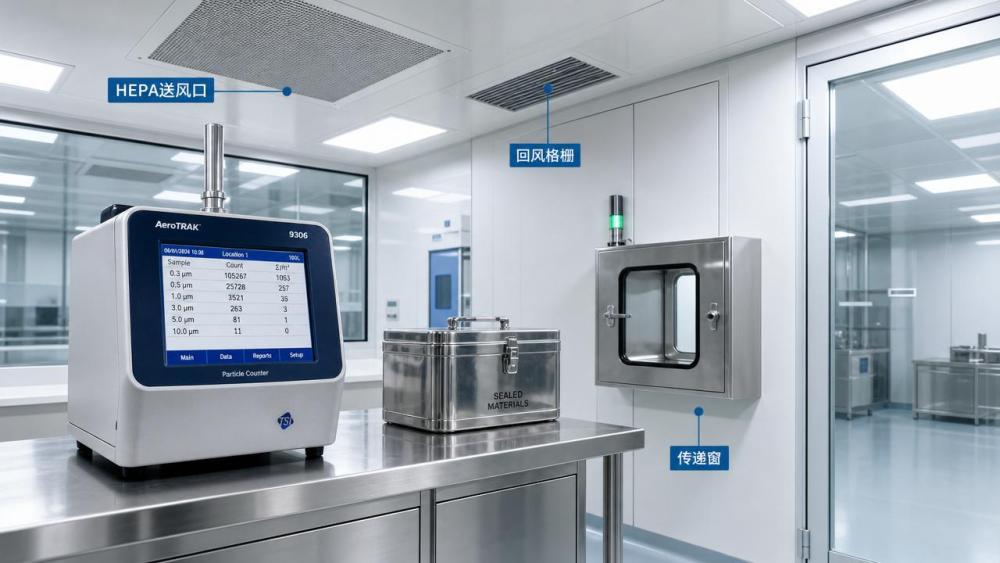
Cleanroom recovery time metrics measure how quickly controlled areas return to acceptable particle levels after a disturbance.
That disturbance may be door opening, personnel movement, raw material transfer, equipment cleaning, or line changeover.
In regulated and hygiene-sensitive operations, recovery speed shows whether the room can absorb normal production stress.
A cleanroom may pass a static test but still fail during real operations.
This is why cleanroom recovery time metrics should be reviewed with a structured checklist, not only annual validation records.
Checklist-based review helps connect test data with behavior, maintenance, airflow design, and production timing.
It also supports stronger decisions in seed processing, animal health products, fermented foods, aquaculture inputs, and light manufacturing.
Core checklist for cleanroom recovery time metrics
Use this checklist when reviewing cleanroom recovery time metrics after qualification, maintenance, process change, or contamination investigation.
- Confirm the test trigger, including door cycle, operator movement, equipment start-up, or simulated particle challenge, before comparing recovery data.
- Record baseline particle counts at rest and during operation, because cleanroom recovery time metrics need meaningful reference conditions.
- Check whether sampling locations represent critical points near filling, weighing, packaging, incubation, or sterile handling zones.
- Compare recovery results against room classification, internal limits, product sensitivity, and historical cleanroom recovery time metrics.
- Review HVAC status, filter pressure, air change rate, temperature, and humidity during the full recovery test window.
- Verify that operators followed normal gowning, transfer, cleaning, and traffic rules during the monitored disturbance event.
- Flag results that pass limits but trend slower than previous cleanroom recovery time metrics under similar conditions.
- Investigate repeated delays by checking airflow visualization, leak testing, damper settings, return path blockage, and ceiling diffuser performance.
- Link recovery outcomes with microbiological monitoring, surface results, nonconformance records, and batch release observations.
- Define corrective actions with owners, deadlines, evidence requirements, and follow-up testing after each significant recovery deviation.
The checklist works best when cleanroom recovery time metrics are trended over time.
Single results show one moment, while trend lines reveal system fatigue and process pressure.
Key data points to capture during recovery testing
Accurate cleanroom recovery time metrics depend on more than particle counters and final pass results.
The following data points help explain why a room recovers quickly, slowly, or inconsistently.
Cleanroom recovery time metrics should also include test date, responsible personnel, equipment ID, calibration status, and room occupancy.
These details make deviations easier to investigate during internal review, certification audit, or customer assessment.
Application notes for agriculture, food, biotechnology, and light industry
Seed, feed, and agricultural input processing
Agricultural processing areas often handle powders, husks, dust, biological materials, and packaging debris.
Cleanroom recovery time metrics help determine whether dust control and air filtration can handle normal material movement.
Slow recovery may indicate poor transfer discipline, open containers, damaged seals, or insufficient pre-cleaning.
Food processing and functional ingredient production
In dairy ingredients, fermentation, probiotics, and ready-to-eat packaging, particle recovery affects hygiene assurance.
Cleanroom recovery time metrics can expose weak separation between raw zones and high-care areas.
They also support decisions about door interlocks, sanitation timing, and personnel flow during high-risk batches.
Animal health, aquaculture, and biotechnology operations
Vaccines, culture media, diagnostic kits, and biological additives require stricter control of airborne contamination.
Here, cleanroom recovery time metrics should be reviewed with environmental monitoring and aseptic behavior observations.
A delayed return to target counts may increase risk during dispensing, inoculation, filling, or sampling.
Common overlooked risks behind slow recovery
Slow recovery rarely has one cause.
Cleanroom recovery time metrics often reveal combined weaknesses across airflow, people, materials, and maintenance.
Airflow imbalance
Unbalanced supply and return airflow can create stagnant zones where particles remain longer than expected.
Review smoke studies, pressure cascades, diffuser patterns, and obstruction near equipment or storage racks.
Filter decline without obvious failure
Filters may still pass basic checks while gradually reducing system performance.
Trending cleanroom recovery time metrics helps identify decline before alarm limits or visible contamination appear.
Poor gowning and movement discipline
Fast walking, repeated bending, exposed garments, and unnecessary entry cycles increase airborne particle load.
If recovery slows only during staffed operation, behavior may be more important than equipment condition.
Material transfer pressure
Bulk bags, cartons, pallets, tools, and uncleaned containers can overwhelm local airflow control.
Cleanroom recovery time metrics should be checked after realistic transfers, not only after simplified test events.
Cleaning schedule mismatch
Cleaning that ends too close to production may leave disturbed particles in circulation.
Recovery data can guide rest periods before filling, packing, sampling, or other sensitive activities.
Practical execution guide for reliable recovery control
A reliable program turns cleanroom recovery time metrics into routine operating intelligence.
The steps below support practical implementation without creating unnecessary documentation burden.
- Define standard test conditions, including challenge type, room state, sampling duration, particle limits, and acceptance criteria.
- Set alert levels below failure limits, so worsening cleanroom recovery time metrics trigger early technical review.
- Schedule testing after filter replacement, HVAC adjustment, layout change, new equipment installation, or traffic pattern revision.
- Train personnel to understand how gowning, door use, material staging, and cleaning affect recovery performance.
- Trend results by room, shift, product family, season, maintenance event, and operating mode for better root cause visibility.
- Review deviations through a cross-functional lens, covering engineering, sanitation, quality, production, and warehousing factors.
- Repeat testing after corrective action, and confirm that cleanroom recovery time metrics return to stable historical behavior.
Documentation should be concise but complete.
Each record should show what happened, why it matters, what changed, and how effectiveness was confirmed.
Decision rules for interpreting cleanroom recovery time metrics
Interpreting cleanroom recovery time metrics requires context.
A longer recovery time is not automatically a failure, but it should trigger structured questions.
- Compare the result with previous tests performed under the same room state and disturbance pattern.
- Check whether particle counts decline smoothly or show secondary peaks after doors, carts, or equipment movements.
- Separate isolated events from repeated drift by reviewing at least several recent recovery records.
- Escalate results when slower recovery aligns with microbial excursions, complaints, yield loss, or batch hold events.
Cleanroom recovery time metrics become more valuable when paired with visual airflow evidence and process observations.
Numbers explain timing, while observation explains cause.
Building audit readiness through recovery evidence
Audits increasingly examine whether cleanroom controls match real operational risks.
Cleanroom recovery time metrics provide evidence that rooms can recover after routine disturbances.
Strong audit files include method justification, acceptance rationale, raw data, trend charts, deviations, and effectiveness checks.
They also show how recovery results influence cleaning frequency, maintenance planning, and process scheduling.
This evidence is useful for certification reviews, customer audits, supplier qualification, and internal risk assessment.
Summary and action plan
Cleanroom recovery time metrics can reveal hidden risks that static particle counts may miss.
They show how controlled environments respond to real movement, transfers, cleaning, and production pressure.
Start by reviewing current procedures, sampling locations, historical results, and deviation records.
Then create a practical checklist covering airflow, filtration, personnel behavior, material transfer, and corrective action verification.
Use cleanroom recovery time metrics as an early warning tool, not only a validation requirement.
The next step is simple: trend recent results, identify the slowest recovery points, and test the causes before product risk increases.
Related News
- 00
0000-00
Food Ingredients Certification Selection Guide: How to Compare GMP, HACCP, and ISO Standards - 00
0000-00
How to Choose Contamination Monitoring Systems for Cleanrooms and GMP Production - 00
0000-00
How to Read an Agricultural Specification Guide for Nutrient Content and Label Accuracy - 00
0000-00
How to Use a Product Comparison Platform for Aquaculture Inputs Without Missing Key Specs - 00
0000-00
New FDA GMP Compliance Updates: What Drug Manufacturers Need to Review First
Dr. Elena Bio
Weekly Insights
Stay ahead with our curated technology reports delivered every Monday.
News Recommendations
The five pillar industries provide end-to-end industry intelligence.
 Author :Vibration AnalyzersTemperature Sensor Response Time in Food Processing: How Fast Is Fast Enough?Temperature sensor response time in food processing: learn how to compare probes, reduce detection delays, and validate installed performance. Find out how fast is fast enough.
 Author :Marcus AeroEurope's Aerospace Supply Chain: Key Bottlenecks and Sourcing RisksExplore the aerospace supply chain Europe relies on. Uncover material bottlenecks, approval delays and supplier risks—and learn how to strengthen sourcing and protect deliveries.
 Author :Dr. Hideo TanakaTE Connectivity Launches High-Precision MEMS Pressure Sensor SeriesDiscover TE Connectivity’s high-precision MEMS pressure sensors, combining low power and long-term stability for demanding aerospace, industrial automation and medical applications.
 Author :Dr. Elena BioChoosing a Structured Product Information Supplier: Data Quality and Update FrequencyChoose a structured product information supplier with confidence. Learn how to assess data quality, validation, and update frequency to reduce sourcing risks and make smarter buying decisions.
 Author :Dr. Elena BioSelecting Functional Ingredients for Beverages: Efficacy and StabilityOptimize ingredient selection for functional ingredients in beverages. Discover how to verify efficacy, protect shelf-life stability, and deliver consistent doses at a competitive cost.
 Author :Vibration AnalyzersDisplacement Sensor Manufacturers in Latin America: Lead Times and Local SupportNeed a displacement sensor manufacturer Latin America can rely on? Compare lead times, local stock, and technical support to reduce downtime and choose the right supplier.
 Author :Dr. Aris ChemWhich Certifications Matter for Adhesives Used in Export Fishing Gear?What fishing gear certifications matter for export markets? Explore adhesive compliance, REACH, food-contact evidence, and durability tests to choose suppliers and ship with confidence.
 Author :Vibration AnalyzersHow Can OEM Verification Help Buyers Avoid Counterfeit Farm Sensors?How can I avoid counterfeit farm supplies? Discover how OEM verification, supplier checks, and sensor inspections help reduce buying risks and protect farm operations.
 Author :Lina CleanWhich Modular Livestock Housing Systems Are Easiest to Scale?Which animal husbandry systems are easiest to scale? Compare modular barns, poultry houses, and pig units to find practical expansion options and avoid costly bottlenecks.
 Author :Dr. Hideo TanakaHow Often Should Irrigation Pressure Sensors Be Serviced?How often should commercial irrigation systems be serviced? Discover pressure sensor maintenance intervals, warning signs, and accuracy checks to help cut downtime and reduce water waste.
 Author :Dr. Elena BioChoosing Livestock Procurement Planning Support to Reduce Feed Supply RiskChoose procurement planning support for livestock operations to reduce feed supply risk. Compare forecasting, inventory visibility, and supplier reliability for smarter purchasing decisions.
 Author :Dr. Elena BioAquaculture Equipment: What Each System Does in a Modern Fish FarmAquaculture equipment information for modern fish farms: explore water management, aeration, filtration, feeding, monitoring, fish handling, and backup systems.
 Author :Lina CleanSelecting 1200 x 600 Ceiling Grid Systems for Cleanroom Load and Access Needs1200x600 ceiling grid selection guide for cleanrooms: assess loads, independent equipment support, panel access, sealing, and durable materials for reliable performance.
 Author :Dr. Elena BioSeed Processing Equipment Guide: Selecting Cleaners, Graders, and Treaters by CropAgricultural equipment guide for seed processing: compare crop-specific cleaners, graders, and treaters to improve purity, protect germination, and select a scalable processing line.
 Author :Dr. Elena BioWhat Counts as Forestry Products? A Guide to Timber, Pulp, Biomass, and NTFPsForestry products explained: explore timber, pulp, paper, biomass, and NTFPs, plus sourcing, certification, and trade insights for smarter decisions.
 Author :Dr. Elena BioWhen Is an Industrial Product Subject to FDA Compliance? A Documentation ChecklistIndustrial product knowledge for FDA compliance: learn when contact, intended use, and exposure trigger requirements, plus a practical documentation checklist for confident sourcing.
 Author :Dr. Elena BioSemiconductor Sourcing Strategy: How to Reduce Allocation Risk and Lead-Time ExposureSemiconductor sourcing strategy insights to reduce allocation risk, control lead-time exposure, qualify alternates, and protect production with smarter supply planning.
 Author :Dr. Elena BioDistributor Product Research in Europe: Finding Profitable Market GapsDistributor product research Europe: uncover profitable market gaps with practical insights on demand, compliance, local supply, and scalable routes to market.
 Author :Lina CleanHow to Select Biopharma Cleanroom Modules for GMP-Ready Facility ExpansionBiopharma cleanroom modules: learn how to select scalable, GMP-ready systems that support contamination control, validation, flexible expansion, and reliable delivery.
 Author :Dr. Elena BioFood Ingredient OEM Cooperation: A Due Diligence Checklist for Brand BuyersOEM cooperation guide for food ingredients: use this due diligence checklist to assess quality systems, compliance, capacity, costs, and supplier risk before choosing an OEM partner.
 Author :Dr. Elena BioOEM Cooperation Pricing: What Should Buyers Confirm Before Requesting a Quote?OEM cooperation guide pricing: learn what buyers should confirm before requesting a quote, from specifications and MOQ to quality, lead times, and hidden costs.
 Author :Dr. Elena BioHow to Select Farm Equipment Solutions for Small and Mid-Sized OperationsFarm equipment solutions for small and mid-sized operations: compare capacity, total cost, technology, and supplier support to choose reliable equipment that protects productivity and budget.
 Author :Dr. Elena BioAnimal Husbandry Price Trends: What Feed Costs and Herd Cycles Mean for 2026 MarginsAnimal husbandry price trends for 2026: explore how feed costs, herd cycles, disease, trade, and operational discipline could shape livestock margins and smarter business decisions.
 Author :Dr. Elena BioHydraulic Valve Price by Pressure Rating: What Buyers Should Compare Before OrderingHydraulic valve pressure rating price guide: compare continuous pressure, surge tolerance, flow capacity, seals, and documentation to buy the right valve with confidence.
 Author :Marcus AeroAerospace Material Hardness Comparison: Selecting Alloys for Wear and Fatigue LoadsMaterial hardness comparison aerospace guide: compare alloys for wear and fatigue loads, balancing hardness, toughness, coatings, corrosion resistance, and manufacturing risk.
 Author :Dr. Elena BioLivestock Market Outlook: Supply, Feed Costs, and Pricing Risks for BuyersLivestock market outlook for buyers: assess supply availability, feed-cost pressure, and pricing risks to secure reliable volumes and make smarter purchasing decisions.
 Author :Dr. Aris ChemChemical Sourcing Specification Preparation: What Buyers Must Define Before RFQsSpecification preparation guide for chemical sourcing: define identity, quality, packaging, shelf-life, documentation, and acceptance rules before RFQs for comparable quotes and fewer supply risks.
 Author :Dr. Elena BioCustomization Service Costs: What Information Should Procurement Teams Request?Customization service information cost explained: learn what procurement teams should request to compare quotes, control hidden expenses, and negotiate customized supply projects with confidence.
 Author :Dr. Elena BioAgricultural Trade Market Report: Key Supply, Price, and Policy Signals to TrackAgricultural trade market report: track supply, prices, trade flows, policy shifts, and technology signals to reduce risk, assess suppliers, and uncover new opportunities.
 Author :Lina CleanHow to Qualify a Steel Raised Access Floor Factory for Load and ESD NeedsSteel raised access floor factory qualification guide: verify load ratings, deflection limits, ESD grounding, material traceability, and delivery reliability for critical facilities.
 Author :Lina CleanHow PFAS Bans Are Reshaping Chemical Qualification and Compliance in Semiconductor FabsImpact of PFAS ban on fab chemicals regulations: learn how semiconductor fabs can strengthen chemical qualification, supplier traceability, change control, and waste compliance.
 Author :Dr. Elena BioLabeling Compliance Requirements: A Reference Guide for GMP Fill-Finish OperationsCompliance reference guide labeling requirements for GMP fill-finish operations—strengthen label control, traceability, reconciliation, and deviation prevention.
 Author :Lina CleanNovec Cleanroom Fire Suppression: How to Assess Residue, Downtime, and Room IntegrityNovec cleanroom fire suppression: assess residue, downtime, enclosure integrity, airflow control, and recovery planning to protect critical operations.
 Author :Dr. Elena BioSupplier Capability Evaluation Audits: Criteria for Reducing Supply Chain RiskSupplier capability evaluation audit criteria help procurement teams verify capacity, quality, compliance, and resilience—reducing supply chain risk before approval.
 Author :Dr. Elena BioHow to Set Agricultural pH Level Specifications for Soil and Irrigation WaterAgricultural specification guide pH level: set practical soil and irrigation water limits, improve nutrient efficiency, protect equipment, and reduce crop risks.
 Author :Lina CleanHow to Qualify a Portable Particle Counter Supplier for GMP Cleanroom MonitoringChoose a portable particle counter supplier with proven GMP calibration traceability, data integrity, responsive service, and lifecycle value for reliable cleanroom monitoring.
 Author :Dr. Aris ChemHow Polycarboxylate Superplasticizers Cut Concrete Water Demand Without Sacrificing StrengthConcrete water reduction ratio polycarboxylate solutions help lower water demand while preserving strength, workability, stability, and production reliability. Explore smarter PCE evaluation.
 Author :Dr. Hideo TanakaSelecting ATEX Pressure Sensors for Zone-Classified Gas and Dust EnvironmentsATEX pressure sensor selection guide for Zone-classified gas and dust environments. Explore Ex markings, temperature limits, protection methods, and certified installation essentials.
 Author :Vibration AnalyzersIP67 vs IP69K Sensor Ratings: Selecting Protection for Middle East Dust and WashdownIP67 vs IP69K sensor rating Middle East: compare dust, immersion and hot washdown protection to select reliable sensors for demanding regional conditions.
 Author :Dr. Elena BioChemical Industry Outlook: Feedstock Costs, Supply Risks, and Demand SignalsChemical industry outlook: assess feedstock costs, supply risks, and demand signals to strengthen sourcing, pricing, inventory, and resilient growth.