A professional information and consulting platform for agriculture, forestry, animal husbandry, fishery and related light industry sectors;

Vietnam Opens PCE Quota Access for Infrastructure





On June 1, 2026, Vietnam’s Ministry of Industry and Trade announced a special import facilitation channel for infrastructure projects in the second half of 2026, removing quota restrictions for Polycarboxylate Superplasticizer that meets ASTM C494/C1017 standards. The change deserves attention from construction chemical traders, procurement teams, concrete admixture processors, distribution channels, supply chain service providers, and Chinese PCE exporters because it may affect import timing, compliance documentation, and near-term demand planning.
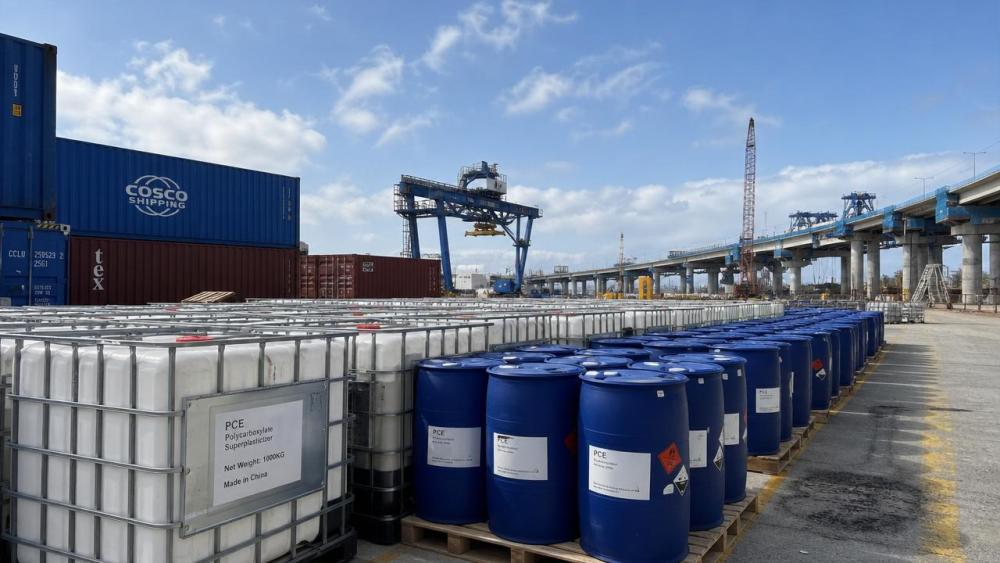
Event Overview
According to the announced information, Vietnam’s Ministry of Industry and Trade launched a special import facilitation channel on June 1, 2026, for infrastructure-related imports in the second half of 2026.
The measure removes quota limits for Polycarboxylate Superplasticizer, commonly referred to as PCE, provided that the product complies with ASTM C494/C1017 standards. The announcement also states that review procedures for certificates of origin and testing reports will be simplified.
The publicly available information also indicates that infrastructure projects in the three economic corridors of Ho Chi Minh City, Hanoi, and Da Nang are being advanced intensively. PCE imports in the third quarter are expected to increase by more than 40% quarter on quarter. Chinese PCE exporters may use CNAS-accredited test reports to access the green channel.
Which Industry Segments May Be Affected
Direct Trade and Import-Export Companies
Direct trade companies are likely to be among the first affected because the policy directly changes the import access conditions for qualified PCE products. The removal of quota restrictions may alter order timing, shipment planning, and customer negotiation cycles for importers serving Vietnam’s infrastructure supply chain.
From an industry perspective, the main impact is not only higher potential import volume, but also a stronger need to verify whether products meet ASTM C494/C1017 requirements and whether documentation can pass the simplified review process.
Raw Material Procurement Teams
Procurement teams for construction chemical users and infrastructure-related buyers may face changes in sourcing windows. Since the announced channel applies to the second half of 2026 and Q3 imports are expected to rise sharply, procurement departments may need to pay closer attention to supplier qualification, testing reports, and delivery schedules.
Analysis shows that the practical impact for buyers will likely appear in procurement coordination rather than in specification changes, because the confirmed requirement remains compliance with ASTM C494/C1017 standards.
Processing and Manufacturing Enterprises
Enterprises involved in concrete admixture formulation, processing, or related manufacturing may be affected through changes in PCE availability and import flow. If import procedures are simplified for compliant products, downstream processors may gain more flexibility in arranging production inputs for projects connected to the Ho Chi Minh City, Hanoi, and Da Nang corridors.
It is more appropriate to understand this as an operational adjustment opportunity rather than a guaranteed supply expansion for every company. Actual benefits will depend on whether imported PCE products meet the stated standards and whether supporting documents are accepted through the green channel.
Channel Distribution Companies
Distribution companies serving construction and infrastructure customers may need to reassess inventory rhythm and customer communication. With expected Q3 import growth of more than 40% quarter on quarter, distributors may see more inquiries related to delivery timing, documentation status, and product compliance.
Observably, the key pressure point for distributors will be matching market demand with compliant supply. Companies that handle orders without verifying ASTM-related documentation and origin materials may face execution risks even under a simplified review process.
Supply Chain Service Providers
Logistics, customs coordination, inspection support, and documentation service providers may see higher demand for process execution linked to PCE imports. The announced simplification of origin and test report review may reduce some procedural friction, but it also makes document accuracy more important for companies seeking faster clearance.
From an industry perspective, service providers should pay particular attention to whether CNAS-accredited reports are complete, valid, and aligned with the product batches being shipped.
Chinese PCE Exporters
Chinese PCE exporters are directly mentioned in the announced information, as CNAS-accredited reports can be used to access the green channel. This may improve the practical feasibility of supplying qualified PCE to Vietnam’s infrastructure-related demand in the second half of 2026.
Analysis shows that exporters should not interpret the quota opening as automatic market entry. The confirmed condition remains product compliance with ASTM C494/C1017 and the availability of acceptable documentation.
Key Points to Watch and Practical Responses
Track Further Official Clarifications
Companies should continue monitoring official statements from Vietnam’s Ministry of Industry and Trade regarding the detailed implementation of the special import facilitation channel. What deserves closer attention now is whether additional procedural requirements, validity periods, or product classification details will be clarified after the initial announcement.
Verify Product Scope and Compliance Documents
Enterprises handling PCE trade or procurement should check whether the relevant products clearly meet ASTM C494/C1017 standards. For Chinese exporters, CNAS-accredited test reports should be reviewed before shipment to ensure they correspond to the specific product and batch involved.
From an industry perspective, simplified review does not remove the need for technical and document consistency. It mainly changes the efficiency of the review pathway for qualified products.
Separate Policy Signals from Business Execution
The removal of quota limits is a clear policy signal for compliant Polycarboxylate Superplasticizer imports, but actual transaction execution will still depend on buyer demand, supplier readiness, document acceptance, and shipment coordination.
It is more appropriate to understand this announcement as a facilitation mechanism that may support faster import flows, rather than as proof that all participants will immediately see higher order volumes.
Prepare Procurement and Supply Chain Plans for Q3
Because the announced information points to an expected Q3 import increase of more than 40% quarter on quarter, companies connected to Vietnam’s PCE supply chain should review order schedules, inventory planning, customs documentation, and customer communication in advance.
Practical preparation should focus on compliant product files, origin documents, testing reports, and delivery coordination for projects associated with Ho Chi Minh City, Hanoi, and Da Nang.
Editor’s View / Industry Observation
Observably, this announcement matters because it links Vietnam’s infrastructure acceleration with a specific import facilitation measure for Polycarboxylate Superplasticizer. The most immediate relevance is for companies that already participate in PCE trade, procurement, formulation, distribution, or export documentation.
Analysis shows that the measure is both a policy signal and a potential operational change. It is a signal because it indicates Vietnam’s intention to support infrastructure-related imports in the second half of 2026. It may become an operational result if compliant products, CNAS-accredited reports, and simplified review procedures are effectively aligned in actual transactions.
Current industry attention should therefore remain focused on implementation details, compliance documentation, and the pace of project-linked demand in the three named economic corridors.
Conclusion
Vietnam’s removal of quota restrictions for ASTM C494/C1017-compliant PCE under the second-half 2026 infrastructure import facilitation channel may influence trade flows, procurement timing, documentation practices, and supply chain coordination for Polycarboxylate Superplasticizer.
It is more appropriate to understand this information as a targeted policy opening with practical business implications, rather than as a finalized market outcome. Companies should respond by confirming compliance, preparing documentation, and monitoring how the green channel is implemented in actual import operations.
Information Source Statement
- Main source: Announcement information attributed to Vietnam’s Ministry of Industry and Trade, dated June 1, 2026.
- Referenced public details: Special import facilitation channel for infrastructure projects in the second half of 2026; quota removal for ASTM C494/C1017-compliant Polycarboxylate Superplasticizer; simplified review of certificates of origin and testing reports; green channel access for Chinese exporters using CNAS-accredited reports.
- Items requiring continued observation: Detailed implementation procedures, acceptance criteria for documentation, actual Q3 import execution, and project-linked demand developments in Ho Chi Minh City, Hanoi, and Da Nang.
Related News
- 00
0000-00
How Polycarboxylate Superplasticizers Cut Concrete Water Demand Without Sacrificing Strength - 00
0000-00
Mortar Bond Strength Test: Methods, Failure Modes, and Acceptance Criteria - 00
0000-00
How to Evaluate a Powder Polycarboxylate Ether Factory for Reliable Concrete Supply - 00
0000-00
Concrete Strength Price: How Mix Grade, Cement Content, and Admixtures Affect Cost - 00
0000-00
Self-Leveling Flowability Metrics: How to Predict Spread and Placement Stability
Dr. Aris Chem
Weekly Insights
Stay ahead with our curated technology reports delivered every Monday.
News Recommendations
The five pillar industries provide end-to-end industry intelligence.
 Author :Vibration AnalyzersTemperature Sensor Response Time in Food Processing: How Fast Is Fast Enough?Temperature sensor response time in food processing: learn how to compare probes, reduce detection delays, and validate installed performance. Find out how fast is fast enough.
 Author :Marcus AeroEurope's Aerospace Supply Chain: Key Bottlenecks and Sourcing RisksExplore the aerospace supply chain Europe relies on. Uncover material bottlenecks, approval delays and supplier risks—and learn how to strengthen sourcing and protect deliveries.
 Author :Dr. Hideo TanakaTE Connectivity Launches High-Precision MEMS Pressure Sensor SeriesDiscover TE Connectivity’s high-precision MEMS pressure sensors, combining low power and long-term stability for demanding aerospace, industrial automation and medical applications.
 Author :Dr. Elena BioChoosing a Structured Product Information Supplier: Data Quality and Update FrequencyChoose a structured product information supplier with confidence. Learn how to assess data quality, validation, and update frequency to reduce sourcing risks and make smarter buying decisions.
 Author :Dr. Elena BioSelecting Functional Ingredients for Beverages: Efficacy and StabilityOptimize ingredient selection for functional ingredients in beverages. Discover how to verify efficacy, protect shelf-life stability, and deliver consistent doses at a competitive cost.
 Author :Vibration AnalyzersDisplacement Sensor Manufacturers in Latin America: Lead Times and Local SupportNeed a displacement sensor manufacturer Latin America can rely on? Compare lead times, local stock, and technical support to reduce downtime and choose the right supplier.
 Author :Dr. Aris ChemWhich Certifications Matter for Adhesives Used in Export Fishing Gear?What fishing gear certifications matter for export markets? Explore adhesive compliance, REACH, food-contact evidence, and durability tests to choose suppliers and ship with confidence.
 Author :Vibration AnalyzersHow Can OEM Verification Help Buyers Avoid Counterfeit Farm Sensors?How can I avoid counterfeit farm supplies? Discover how OEM verification, supplier checks, and sensor inspections help reduce buying risks and protect farm operations.
 Author :Lina CleanWhich Modular Livestock Housing Systems Are Easiest to Scale?Which animal husbandry systems are easiest to scale? Compare modular barns, poultry houses, and pig units to find practical expansion options and avoid costly bottlenecks.
 Author :Dr. Hideo TanakaHow Often Should Irrigation Pressure Sensors Be Serviced?How often should commercial irrigation systems be serviced? Discover pressure sensor maintenance intervals, warning signs, and accuracy checks to help cut downtime and reduce water waste.
 Author :Dr. Elena BioChoosing Livestock Procurement Planning Support to Reduce Feed Supply RiskChoose procurement planning support for livestock operations to reduce feed supply risk. Compare forecasting, inventory visibility, and supplier reliability for smarter purchasing decisions.
 Author :Dr. Elena BioAquaculture Equipment: What Each System Does in a Modern Fish FarmAquaculture equipment information for modern fish farms: explore water management, aeration, filtration, feeding, monitoring, fish handling, and backup systems.
 Author :Lina CleanSelecting 1200 x 600 Ceiling Grid Systems for Cleanroom Load and Access Needs1200x600 ceiling grid selection guide for cleanrooms: assess loads, independent equipment support, panel access, sealing, and durable materials for reliable performance.
 Author :Dr. Elena BioSeed Processing Equipment Guide: Selecting Cleaners, Graders, and Treaters by CropAgricultural equipment guide for seed processing: compare crop-specific cleaners, graders, and treaters to improve purity, protect germination, and select a scalable processing line.
 Author :Dr. Elena BioWhat Counts as Forestry Products? A Guide to Timber, Pulp, Biomass, and NTFPsForestry products explained: explore timber, pulp, paper, biomass, and NTFPs, plus sourcing, certification, and trade insights for smarter decisions.
 Author :Dr. Elena BioWhen Is an Industrial Product Subject to FDA Compliance? A Documentation ChecklistIndustrial product knowledge for FDA compliance: learn when contact, intended use, and exposure trigger requirements, plus a practical documentation checklist for confident sourcing.
 Author :Dr. Elena BioSemiconductor Sourcing Strategy: How to Reduce Allocation Risk and Lead-Time ExposureSemiconductor sourcing strategy insights to reduce allocation risk, control lead-time exposure, qualify alternates, and protect production with smarter supply planning.
 Author :Dr. Elena BioDistributor Product Research in Europe: Finding Profitable Market GapsDistributor product research Europe: uncover profitable market gaps with practical insights on demand, compliance, local supply, and scalable routes to market.
 Author :Lina CleanHow to Select Biopharma Cleanroom Modules for GMP-Ready Facility ExpansionBiopharma cleanroom modules: learn how to select scalable, GMP-ready systems that support contamination control, validation, flexible expansion, and reliable delivery.
 Author :Dr. Elena BioFood Ingredient OEM Cooperation: A Due Diligence Checklist for Brand BuyersOEM cooperation guide for food ingredients: use this due diligence checklist to assess quality systems, compliance, capacity, costs, and supplier risk before choosing an OEM partner.
 Author :Dr. Elena BioOEM Cooperation Pricing: What Should Buyers Confirm Before Requesting a Quote?OEM cooperation guide pricing: learn what buyers should confirm before requesting a quote, from specifications and MOQ to quality, lead times, and hidden costs.
 Author :Dr. Elena BioHow to Select Farm Equipment Solutions for Small and Mid-Sized OperationsFarm equipment solutions for small and mid-sized operations: compare capacity, total cost, technology, and supplier support to choose reliable equipment that protects productivity and budget.
 Author :Dr. Elena BioAnimal Husbandry Price Trends: What Feed Costs and Herd Cycles Mean for 2026 MarginsAnimal husbandry price trends for 2026: explore how feed costs, herd cycles, disease, trade, and operational discipline could shape livestock margins and smarter business decisions.
 Author :Dr. Elena BioHydraulic Valve Price by Pressure Rating: What Buyers Should Compare Before OrderingHydraulic valve pressure rating price guide: compare continuous pressure, surge tolerance, flow capacity, seals, and documentation to buy the right valve with confidence.
 Author :Marcus AeroAerospace Material Hardness Comparison: Selecting Alloys for Wear and Fatigue LoadsMaterial hardness comparison aerospace guide: compare alloys for wear and fatigue loads, balancing hardness, toughness, coatings, corrosion resistance, and manufacturing risk.
 Author :Dr. Elena BioLivestock Market Outlook: Supply, Feed Costs, and Pricing Risks for BuyersLivestock market outlook for buyers: assess supply availability, feed-cost pressure, and pricing risks to secure reliable volumes and make smarter purchasing decisions.
 Author :Dr. Aris ChemChemical Sourcing Specification Preparation: What Buyers Must Define Before RFQsSpecification preparation guide for chemical sourcing: define identity, quality, packaging, shelf-life, documentation, and acceptance rules before RFQs for comparable quotes and fewer supply risks.
 Author :Dr. Elena BioCustomization Service Costs: What Information Should Procurement Teams Request?Customization service information cost explained: learn what procurement teams should request to compare quotes, control hidden expenses, and negotiate customized supply projects with confidence.
 Author :Dr. Elena BioAgricultural Trade Market Report: Key Supply, Price, and Policy Signals to TrackAgricultural trade market report: track supply, prices, trade flows, policy shifts, and technology signals to reduce risk, assess suppliers, and uncover new opportunities.
 Author :Lina CleanHow to Qualify a Steel Raised Access Floor Factory for Load and ESD NeedsSteel raised access floor factory qualification guide: verify load ratings, deflection limits, ESD grounding, material traceability, and delivery reliability for critical facilities.
 Author :Lina CleanHow PFAS Bans Are Reshaping Chemical Qualification and Compliance in Semiconductor FabsImpact of PFAS ban on fab chemicals regulations: learn how semiconductor fabs can strengthen chemical qualification, supplier traceability, change control, and waste compliance.
 Author :Dr. Elena BioLabeling Compliance Requirements: A Reference Guide for GMP Fill-Finish OperationsCompliance reference guide labeling requirements for GMP fill-finish operations—strengthen label control, traceability, reconciliation, and deviation prevention.
 Author :Lina CleanNovec Cleanroom Fire Suppression: How to Assess Residue, Downtime, and Room IntegrityNovec cleanroom fire suppression: assess residue, downtime, enclosure integrity, airflow control, and recovery planning to protect critical operations.
 Author :Dr. Elena BioSupplier Capability Evaluation Audits: Criteria for Reducing Supply Chain RiskSupplier capability evaluation audit criteria help procurement teams verify capacity, quality, compliance, and resilience—reducing supply chain risk before approval.
 Author :Dr. Elena BioHow to Set Agricultural pH Level Specifications for Soil and Irrigation WaterAgricultural specification guide pH level: set practical soil and irrigation water limits, improve nutrient efficiency, protect equipment, and reduce crop risks.
 Author :Lina CleanHow to Qualify a Portable Particle Counter Supplier for GMP Cleanroom MonitoringChoose a portable particle counter supplier with proven GMP calibration traceability, data integrity, responsive service, and lifecycle value for reliable cleanroom monitoring.
 Author :Dr. Aris ChemHow Polycarboxylate Superplasticizers Cut Concrete Water Demand Without Sacrificing StrengthConcrete water reduction ratio polycarboxylate solutions help lower water demand while preserving strength, workability, stability, and production reliability. Explore smarter PCE evaluation.
 Author :Dr. Hideo TanakaSelecting ATEX Pressure Sensors for Zone-Classified Gas and Dust EnvironmentsATEX pressure sensor selection guide for Zone-classified gas and dust environments. Explore Ex markings, temperature limits, protection methods, and certified installation essentials.
 Author :Vibration AnalyzersIP67 vs IP69K Sensor Ratings: Selecting Protection for Middle East Dust and WashdownIP67 vs IP69K sensor rating Middle East: compare dust, immersion and hot washdown protection to select reliable sensors for demanding regional conditions.
 Author :Dr. Elena BioChemical Industry Outlook: Feedstock Costs, Supply Risks, and Demand SignalsChemical industry outlook: assess feedstock costs, supply risks, and demand signals to strengthen sourcing, pricing, inventory, and resilient growth.