A professional information and consulting platform for agriculture, forestry, animal husbandry, fishery and related light industry sectors;

When does air entrainment improve concrete durability?





In harsh climates and demanding construction environments, concrete admixture air entrainment plays a key role in improving long-term durability. By creating tiny, evenly distributed air bubbles, it helps concrete resist freeze-thaw damage, scaling, and moisture-related stress. Understanding when air entrainment is most effective can help researchers, buyers, and industry professionals make smarter material decisions.
For information researchers tracking material trends across agriculture, forestry, fisheries, rural infrastructure, and light industrial facilities, the question is not whether air-entrained concrete is useful in general. The real issue is when it delivers measurable value, where it may be unnecessary, and how procurement teams can evaluate a concrete admixture air entrainment solution without relying on vague supplier claims.
This matters in many practical settings: feed mills exposed to winter washdown, cold-storage slabs, drainage channels, livestock yards, seafood processing areas, farm roads, silage pads, and water-handling structures. In these applications, concrete often faces 3 combined stressors at once: moisture, temperature cycling, and deicing chemicals or salts. Air entrainment can significantly improve durability, but only when the mix design, exposure class, and field control are aligned.
Where air entrainment improves durability most
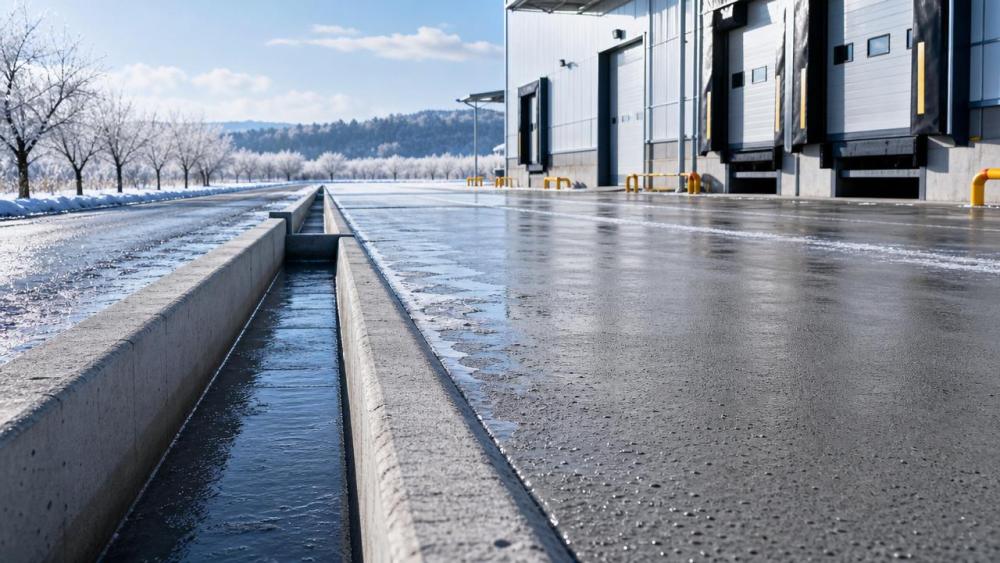
Concrete admixture air entrainment is most effective when hardened concrete will repeatedly absorb water and then be exposed to freezing temperatures. In that situation, microscopic entrained air voids act as pressure-relief chambers. Without them, freezing water expands by roughly 9%, creating internal stress that can lead to cracking, surface scaling, and progressive loss of service life.
In practical B2B terms, this means air entrainment is especially valuable for outdoor slabs, pavements, irrigation structures, loading areas, and utility concrete in regions with seasonal freeze-thaw cycles. It is also relevant for facilities that use frequent washdown or operate in wet conditions, even if winter temperatures only periodically drop below 0°C.
Typical exposure conditions that justify air entrainment
The strongest case for concrete admixture air entrainment appears when at least 2 of the following conditions are present: regular saturation, freezing temperatures, and exposed surfaces. If a structure remains dry, deeply buried, or fully protected from weather, the durability benefit may be smaller. Buyers should therefore assess exposure before specifying air content.
- Exterior slabs exposed to 50 or more freeze-thaw events per year
- Farm roads, aprons, and loading pads receiving snow, rain, and wheel traffic
- Drainage ditches, culverts, and water trough surrounds with persistent wetting
- Cold-region fishery and food-processing sites using cleaning water and occasional deicers
- Concrete exposed to sulfate-bearing moisture plus freezing stress
Why agricultural and light industrial sites are sensitive
Many rural and processing facilities operate under conditions that are harsher than standard building interiors. A livestock platform may stay wet for 8 to 12 hours a day. A processing floor may be cleaned 1 to 3 times per shift. An outdoor storage yard may face standing water after rainfall, then freeze overnight. These cycles increase the need for a stable air-void system.
The table below helps compare common scenarios and shows where air entrainment usually has the highest durability payoff.
The key conclusion is straightforward: concrete admixture air entrainment performs best where moisture and freezing overlap. If either factor is absent, the specification should be reviewed more carefully rather than adopted automatically across every project.
How air entrainment works inside the concrete matrix
Air entrainment is different from trapped air caused by poor consolidation. A purpose-designed admixture creates microscopic, stable bubbles that are typically distributed throughout the cement paste. These voids are small enough to protect the matrix without behaving like major defects. Their effectiveness depends on total air content, spacing, and stability during mixing, transport, placement, and finishing.
For many normal-weight concretes exposed to freeze-thaw, a fresh air content in the range of about 4% to 8% is common, depending on aggregate size and exposure severity. Larger aggregate may require lower total air, while smaller aggregate and severe weather exposure may require more. The correct target should be project-specific rather than copied from an unrelated mix.
What the air-void system actually protects
When pore water freezes, hydraulic pressure builds inside the concrete. Entrained air voids provide nearby empty space that relieves that pressure before the cement paste fractures. In exposure zones where concrete may freeze while more than 80% saturated, this mechanism can make the difference between a long service life and early deterioration in 2 to 5 winter seasons.
- Reduces freeze-thaw cracking risk
- Improves resistance to surface scaling
- Supports durability under wet-dry cycling
- Helps concrete tolerate deicer exposure better
Limits buyers should understand
Air entrainment does not solve every durability problem. It cannot compensate for an excessively high water-cement ratio, poor curing, contamination, or weak aggregate. If a slab is placed with too much added water, finished incorrectly, or cured for only 1 or 2 days instead of the planned 7 days, the expected durability gain may be sharply reduced.
It can also reduce compressive strength slightly if the mix is not rebalanced. A practical rule of thumb often used in the market is that each 1% increase in entrained air may reduce strength by around 3% to 5%, although the actual impact depends on total mix design. This is why specification decisions should weigh durability and strength together.
When air entrainment may be unnecessary or less beneficial
Not every concrete project needs a concrete admixture air entrainment program. In warm climates with no freeze-thaw exposure, the durability benefit can be limited. Likewise, indoor structural members that remain dry and are not subject to deicing chemicals may gain little from entrained air, while still accepting the trade-off of lower potential strength or changed finishing behavior.
For buyers and technical teams, avoiding over-specification is as important as avoiding under-specification. An unnecessary admixture can add cost, complicate quality control, and create finishing challenges, especially in flatwork where surface appearance matters. A better approach is to classify the exposure first, then choose the mix accordingly.
Low-priority situations
The following cases often have a lower priority for air entrainment, though local codes and engineering judgment still apply.
- Interior dry slabs in storage buildings with stable temperatures year-round
- Mass concrete sections that remain below grade and largely protected from saturation
- Hot-climate projects where freezing exposure is effectively zero
- High-strength applications where air control conflicts with performance priorities and no freeze-thaw risk exists
Why blanket specifications can be costly
In multi-site procurement, some companies apply one mix standard across 5 to 10 regions for simplicity. That saves administrative time, but it may not save lifecycle cost. A northern distribution yard and a tropical processing annex do not face the same durability threats. Exposure-based selection often produces better cost control over a 10- to 20-year asset period.
Selection criteria for buyers, specifiers, and researchers
When comparing suppliers of concrete admixture air entrainment, decision-makers should review more than price per liter or dosage rate. Field stability, compatibility with cement and supplementary materials, consistency across temperature changes, and testing support are all important. In many projects, the hidden cost of unstable air content is higher than the visible cost difference between admixture offers.
The table below outlines practical evaluation points for procurement and technical review.
A useful purchasing process usually includes 4 checkpoints: exposure review, lab trial, field validation, and supply consistency review. For regional operators serving agriculture or food-related light industry, this stepwise approach helps prevent short-term buying decisions from creating long-term maintenance liabilities.
Questions buyers should ask suppliers
- What fresh air-content range is normally achieved at the proposed dosage?
- How does the product perform with local aggregates and cement sources?
- What air loss can occur after 60 minutes of hauling?
- Does the admixture affect setting time or finishing in cool weather?
- What field tests are recommended at discharge and after placement?
Implementation risks and field control points
Even the right concrete admixture air entrainment product can underperform if field control is weak. Air content is sensitive to mixing energy, temperature, haul time, supplementary cementitious materials, and water adjustments at the site. Inconsistent plant practice can push actual air content outside the target range by 1% to 3%, which is enough to affect both durability and strength.
For project teams, durability is protected not by admixture purchase alone, but by a controlled process from batching to curing.
Five field control priorities
- Confirm target air content before production begins
- Test fresh concrete at a defined frequency, such as every 50 to 100 cubic meters
- Limit unauthorized water addition at the jobsite
- Coordinate finishing practices to avoid surface defects
- Maintain curing for the specified period, commonly 5 to 7 days or longer if conditions require
Common mistakes in exposed slabs
One frequent error is assuming air entrainment alone will prevent scaling in slabs exposed to deicers. In reality, weak surface paste, over-finishing, early salt exposure, or inadequate curing can still damage the surface. Another mistake is failing to retest air content after long transport in remote project areas, where delivery may take 45 to 90 minutes.
For rural infrastructure and processing zones, jobsite logistics matter. If roads are rough, waiting times are long, or concrete temperatures vary widely between morning and afternoon pours, the specification should include a clear testing and adjustment protocol.
Application guidance for industry-specific environments
Across agriculture, forestry, animal husbandry, fisheries, and related light industry, durability needs differ by operating environment. The same admixture strategy should not be copied blindly from a highway project to a feed yard or a seafood processing plant. Exposure mapping gives better results than generic adoption.
Agriculture and animal husbandry
In livestock facilities, wash water, manure-related moisture, and outdoor winter exposure can combine to keep concrete near saturation. Ramps, collection lanes, and exterior holding areas are stronger candidates for air entrainment than protected indoor bays. When slabs also face scraper traffic or hoof abrasion, the mix must balance air content with abrasion resistance and finishing quality.
Fishery and seafood processing
In fishery-related facilities, saline moisture and repeated cleaning create demanding service conditions. If outdoor aprons or drainage zones freeze seasonally, air entrainment supports better scaling resistance. However, interior wet processing floors without freeze-thaw may need slip resistance, hygiene, and chemical resistance to take priority over entrained-air durability.
Forestry and rural transport infrastructure
Forestry roads, log yards, culverts, and bridge approach slabs in cold regions often see mud, standing water, and subzero exposure. In those cases, concrete admixture air entrainment is often a practical durability measure, particularly when maintenance access is difficult and asset replacement cycles may stretch beyond 15 years.
Practical decision framework for researchers and procurement teams
A useful way to decide whether air entrainment should be specified is to move through a simple 3-step framework. First, define the exposure: dry, intermittently wet, or frequently saturated. Second, confirm temperature risk: no freezing, occasional freezing, or repeated freeze-thaw. Third, review operational stressors such as deicers, washdown, salts, and abrasion.
If the project scores high in at least 2 of those 3 dimensions, air entrainment is often justified for durability. If it scores low across all dimensions, it may be optional or unnecessary. This kind of framework is especially useful for companies managing multiple assets across different climate zones and budget cycles.
Quick screening checklist
- Will the concrete be wet before freezing?
- Will the surface be exposed to snow, rain, or washdown water?
- Will deicing salts or saline moisture contact the slab?
- Is the expected service life 10 years or more?
- Is repair access costly or operationally disruptive?
When the answer is yes to 3 or more items, air-entrained concrete deserves serious consideration. For researchers and market observers, these same criteria also help compare regional demand patterns for durable admixture solutions.
Concrete admixture air entrainment improves durability most when concrete faces a repeat combination of moisture, freezing, and exposed service conditions. It is especially relevant for outdoor infrastructure, water-handling areas, rural logistics surfaces, and selected agriculture or fishery facilities where freeze-thaw damage, scaling, and maintenance disruption create real lifecycle cost. The best results come from matching air content to exposure class, testing the mix under field conditions, and selecting suppliers that can support stable performance rather than only competitive pricing.
If you are evaluating material options for cold-region construction, rural industrial assets, or moisture-prone concrete applications, now is a good time to compare specifications, review exposure risks, and request a tailored recommendation. Contact us to discuss project conditions, get a customized solution, or learn more about practical concrete durability strategies for your market.
Related News
- 00
0000-00
How Polycarboxylate Superplasticizers Cut Concrete Water Demand Without Sacrificing Strength - 00
0000-00
Mortar Bond Strength Test: Methods, Failure Modes, and Acceptance Criteria - 00
0000-00
How to Evaluate a Powder Polycarboxylate Ether Factory for Reliable Concrete Supply - 00
0000-00
Concrete Strength Price: How Mix Grade, Cement Content, and Admixtures Affect Cost - 00
0000-00
Self-Leveling Flowability Metrics: How to Predict Spread and Placement Stability
Dr. Aris Chem
Weekly Insights
Stay ahead with our curated technology reports delivered every Monday.
News Recommendations
The five pillar industries provide end-to-end industry intelligence.
 Author :Vibration AnalyzersTemperature Sensor Response Time in Food Processing: How Fast Is Fast Enough?Temperature sensor response time in food processing: learn how to compare probes, reduce detection delays, and validate installed performance. Find out how fast is fast enough.
 Author :Marcus AeroEurope's Aerospace Supply Chain: Key Bottlenecks and Sourcing RisksExplore the aerospace supply chain Europe relies on. Uncover material bottlenecks, approval delays and supplier risks—and learn how to strengthen sourcing and protect deliveries.
 Author :Dr. Hideo TanakaTE Connectivity Launches High-Precision MEMS Pressure Sensor SeriesDiscover TE Connectivity’s high-precision MEMS pressure sensors, combining low power and long-term stability for demanding aerospace, industrial automation and medical applications.
 Author :Dr. Elena BioChoosing a Structured Product Information Supplier: Data Quality and Update FrequencyChoose a structured product information supplier with confidence. Learn how to assess data quality, validation, and update frequency to reduce sourcing risks and make smarter buying decisions.
 Author :Dr. Elena BioSelecting Functional Ingredients for Beverages: Efficacy and StabilityOptimize ingredient selection for functional ingredients in beverages. Discover how to verify efficacy, protect shelf-life stability, and deliver consistent doses at a competitive cost.
 Author :Vibration AnalyzersDisplacement Sensor Manufacturers in Latin America: Lead Times and Local SupportNeed a displacement sensor manufacturer Latin America can rely on? Compare lead times, local stock, and technical support to reduce downtime and choose the right supplier.
 Author :Dr. Aris ChemWhich Certifications Matter for Adhesives Used in Export Fishing Gear?What fishing gear certifications matter for export markets? Explore adhesive compliance, REACH, food-contact evidence, and durability tests to choose suppliers and ship with confidence.
 Author :Vibration AnalyzersHow Can OEM Verification Help Buyers Avoid Counterfeit Farm Sensors?How can I avoid counterfeit farm supplies? Discover how OEM verification, supplier checks, and sensor inspections help reduce buying risks and protect farm operations.
 Author :Lina CleanWhich Modular Livestock Housing Systems Are Easiest to Scale?Which animal husbandry systems are easiest to scale? Compare modular barns, poultry houses, and pig units to find practical expansion options and avoid costly bottlenecks.
 Author :Dr. Hideo TanakaHow Often Should Irrigation Pressure Sensors Be Serviced?How often should commercial irrigation systems be serviced? Discover pressure sensor maintenance intervals, warning signs, and accuracy checks to help cut downtime and reduce water waste.
 Author :Dr. Elena BioChoosing Livestock Procurement Planning Support to Reduce Feed Supply RiskChoose procurement planning support for livestock operations to reduce feed supply risk. Compare forecasting, inventory visibility, and supplier reliability for smarter purchasing decisions.
 Author :Dr. Elena BioAquaculture Equipment: What Each System Does in a Modern Fish FarmAquaculture equipment information for modern fish farms: explore water management, aeration, filtration, feeding, monitoring, fish handling, and backup systems.
 Author :Lina CleanSelecting 1200 x 600 Ceiling Grid Systems for Cleanroom Load and Access Needs1200x600 ceiling grid selection guide for cleanrooms: assess loads, independent equipment support, panel access, sealing, and durable materials for reliable performance.
 Author :Dr. Elena BioSeed Processing Equipment Guide: Selecting Cleaners, Graders, and Treaters by CropAgricultural equipment guide for seed processing: compare crop-specific cleaners, graders, and treaters to improve purity, protect germination, and select a scalable processing line.
 Author :Dr. Elena BioWhat Counts as Forestry Products? A Guide to Timber, Pulp, Biomass, and NTFPsForestry products explained: explore timber, pulp, paper, biomass, and NTFPs, plus sourcing, certification, and trade insights for smarter decisions.
 Author :Dr. Elena BioWhen Is an Industrial Product Subject to FDA Compliance? A Documentation ChecklistIndustrial product knowledge for FDA compliance: learn when contact, intended use, and exposure trigger requirements, plus a practical documentation checklist for confident sourcing.
 Author :Dr. Elena BioSemiconductor Sourcing Strategy: How to Reduce Allocation Risk and Lead-Time ExposureSemiconductor sourcing strategy insights to reduce allocation risk, control lead-time exposure, qualify alternates, and protect production with smarter supply planning.
 Author :Dr. Elena BioDistributor Product Research in Europe: Finding Profitable Market GapsDistributor product research Europe: uncover profitable market gaps with practical insights on demand, compliance, local supply, and scalable routes to market.
 Author :Lina CleanHow to Select Biopharma Cleanroom Modules for GMP-Ready Facility ExpansionBiopharma cleanroom modules: learn how to select scalable, GMP-ready systems that support contamination control, validation, flexible expansion, and reliable delivery.
 Author :Dr. Elena BioFood Ingredient OEM Cooperation: A Due Diligence Checklist for Brand BuyersOEM cooperation guide for food ingredients: use this due diligence checklist to assess quality systems, compliance, capacity, costs, and supplier risk before choosing an OEM partner.
 Author :Dr. Elena BioOEM Cooperation Pricing: What Should Buyers Confirm Before Requesting a Quote?OEM cooperation guide pricing: learn what buyers should confirm before requesting a quote, from specifications and MOQ to quality, lead times, and hidden costs.
 Author :Dr. Elena BioHow to Select Farm Equipment Solutions for Small and Mid-Sized OperationsFarm equipment solutions for small and mid-sized operations: compare capacity, total cost, technology, and supplier support to choose reliable equipment that protects productivity and budget.
 Author :Dr. Elena BioAnimal Husbandry Price Trends: What Feed Costs and Herd Cycles Mean for 2026 MarginsAnimal husbandry price trends for 2026: explore how feed costs, herd cycles, disease, trade, and operational discipline could shape livestock margins and smarter business decisions.
 Author :Dr. Elena BioHydraulic Valve Price by Pressure Rating: What Buyers Should Compare Before OrderingHydraulic valve pressure rating price guide: compare continuous pressure, surge tolerance, flow capacity, seals, and documentation to buy the right valve with confidence.
 Author :Marcus AeroAerospace Material Hardness Comparison: Selecting Alloys for Wear and Fatigue LoadsMaterial hardness comparison aerospace guide: compare alloys for wear and fatigue loads, balancing hardness, toughness, coatings, corrosion resistance, and manufacturing risk.
 Author :Dr. Elena BioLivestock Market Outlook: Supply, Feed Costs, and Pricing Risks for BuyersLivestock market outlook for buyers: assess supply availability, feed-cost pressure, and pricing risks to secure reliable volumes and make smarter purchasing decisions.
 Author :Dr. Aris ChemChemical Sourcing Specification Preparation: What Buyers Must Define Before RFQsSpecification preparation guide for chemical sourcing: define identity, quality, packaging, shelf-life, documentation, and acceptance rules before RFQs for comparable quotes and fewer supply risks.
 Author :Dr. Elena BioCustomization Service Costs: What Information Should Procurement Teams Request?Customization service information cost explained: learn what procurement teams should request to compare quotes, control hidden expenses, and negotiate customized supply projects with confidence.
 Author :Dr. Elena BioAgricultural Trade Market Report: Key Supply, Price, and Policy Signals to TrackAgricultural trade market report: track supply, prices, trade flows, policy shifts, and technology signals to reduce risk, assess suppliers, and uncover new opportunities.
 Author :Lina CleanHow to Qualify a Steel Raised Access Floor Factory for Load and ESD NeedsSteel raised access floor factory qualification guide: verify load ratings, deflection limits, ESD grounding, material traceability, and delivery reliability for critical facilities.
 Author :Lina CleanHow PFAS Bans Are Reshaping Chemical Qualification and Compliance in Semiconductor FabsImpact of PFAS ban on fab chemicals regulations: learn how semiconductor fabs can strengthen chemical qualification, supplier traceability, change control, and waste compliance.
 Author :Dr. Elena BioLabeling Compliance Requirements: A Reference Guide for GMP Fill-Finish OperationsCompliance reference guide labeling requirements for GMP fill-finish operations—strengthen label control, traceability, reconciliation, and deviation prevention.
 Author :Lina CleanNovec Cleanroom Fire Suppression: How to Assess Residue, Downtime, and Room IntegrityNovec cleanroom fire suppression: assess residue, downtime, enclosure integrity, airflow control, and recovery planning to protect critical operations.
 Author :Dr. Elena BioSupplier Capability Evaluation Audits: Criteria for Reducing Supply Chain RiskSupplier capability evaluation audit criteria help procurement teams verify capacity, quality, compliance, and resilience—reducing supply chain risk before approval.
 Author :Dr. Elena BioHow to Set Agricultural pH Level Specifications for Soil and Irrigation WaterAgricultural specification guide pH level: set practical soil and irrigation water limits, improve nutrient efficiency, protect equipment, and reduce crop risks.
 Author :Lina CleanHow to Qualify a Portable Particle Counter Supplier for GMP Cleanroom MonitoringChoose a portable particle counter supplier with proven GMP calibration traceability, data integrity, responsive service, and lifecycle value for reliable cleanroom monitoring.
 Author :Dr. Aris ChemHow Polycarboxylate Superplasticizers Cut Concrete Water Demand Without Sacrificing StrengthConcrete water reduction ratio polycarboxylate solutions help lower water demand while preserving strength, workability, stability, and production reliability. Explore smarter PCE evaluation.
 Author :Dr. Hideo TanakaSelecting ATEX Pressure Sensors for Zone-Classified Gas and Dust EnvironmentsATEX pressure sensor selection guide for Zone-classified gas and dust environments. Explore Ex markings, temperature limits, protection methods, and certified installation essentials.
 Author :Vibration AnalyzersIP67 vs IP69K Sensor Ratings: Selecting Protection for Middle East Dust and WashdownIP67 vs IP69K sensor rating Middle East: compare dust, immersion and hot washdown protection to select reliable sensors for demanding regional conditions.
 Author :Dr. Elena BioChemical Industry Outlook: Feedstock Costs, Supply Risks, and Demand SignalsChemical industry outlook: assess feedstock costs, supply risks, and demand signals to strengthen sourcing, pricing, inventory, and resilient growth.