A professional information and consulting platform for agriculture, forestry, animal husbandry, fishery and related light industry sectors;

Greenhouse supplies shortages are reshaping seasonal planning





As greenhouse supplies shortages continue to disrupt planting cycles, procurement teams are being forced to rethink seasonal planning, sourcing timelines, and cost control. From film and irrigation components to climate systems and growing media, unstable supply is reshaping purchasing decisions across the agricultural chain. This article explores the market signals, operational risks, and practical strategies buyers can use to stay ahead in a more volatile supply environment.
For procurement teams, the key question is no longer whether shortages in greenhouse supplies will affect seasonal operations, but how deeply and how early. The short answer is clear: shortages are changing planning from a price-driven purchasing exercise into a risk-management function. Buyers that still rely on last-minute ordering, single-source contracts, or historical lead times are now exposed to higher costs, delayed crop schedules, and weaker margin control.
The more practical response is to treat greenhouse purchasing as part of seasonal strategy. That means identifying high-risk items earlier, revising reorder calendars, securing supplier visibility, and building alternatives before the market tightens. For buyers serving growers, distributors, or integrated agricultural businesses, this shift is becoming essential rather than optional.
Why greenhouse supplies shortages are now a planning problem, not just a sourcing problem
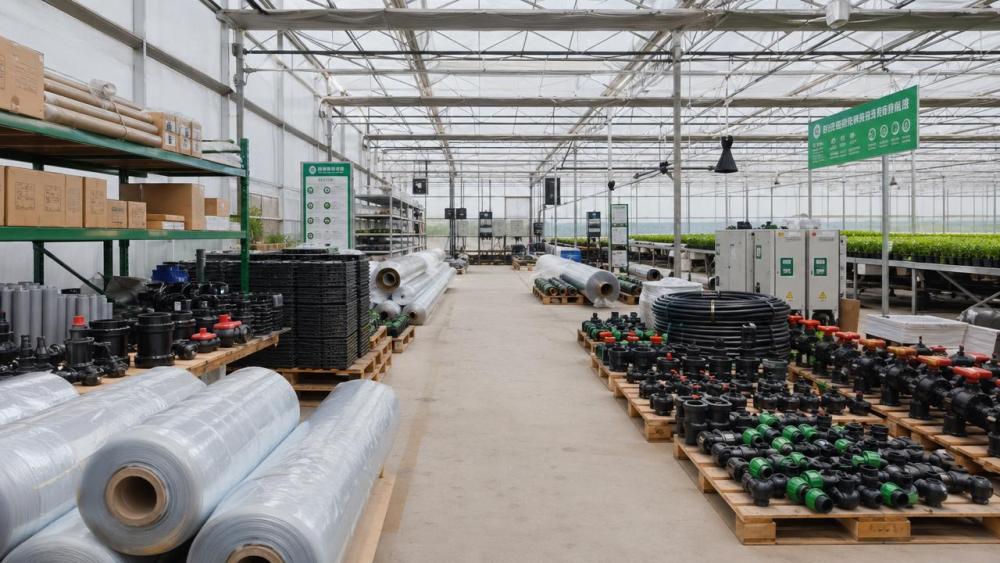
Search interest around greenhouse supplies often comes from buyers trying to understand whether current shortages are temporary, which products are most exposed, and how to adjust purchasing plans before peak season. Their concern is practical: if materials do not arrive on time, production windows can be missed, labor plans disrupted, and downstream sales commitments put at risk.
What makes the current environment more difficult is that supply pressure does not come from one source alone. Raw material volatility, transport disruption, energy costs, weather events, factory capacity constraints, and regional trade shifts all influence the availability of greenhouse film, pipes, fittings, trays, growing media, sensors, ventilation parts, shade systems, and repair materials. Even when products are technically available, lead times may be too long to support seasonal planting requirements.
For procurement professionals, this means supply planning must begin earlier than in previous years. Instead of asking only which supplier offers the lowest quote, buyers must assess whether suppliers can deliver at the required time, in the required specification, and in the required volume without introducing operational instability.
Which greenhouse supplies are most vulnerable to shortage pressure
Not all greenhouse inputs carry the same level of risk. Procurement teams should prioritize categories where shortages create immediate operational bottlenecks or where substitution is difficult. In most greenhouse operations, these include covering materials, irrigation components, climate control parts, propagation inputs, and specialized substrates.
Greenhouse film and covering materials are especially sensitive because they depend on petrochemical feedstocks, manufacturing schedules, and shipping reliability. A delay in film replacement can affect light transmission, temperature control, pest exposure, and structural maintenance. Buyers should not treat film as a standard commodity if crop timing depends on installation windows.
Irrigation supplies such as drip lines, valves, filters, connectors, and pumps also deserve close monitoring. These products may seem interchangeable until a missing fitting or delayed replacement part prevents a system from operating at full capacity. In many cases, the smallest components create the biggest delays because they are overlooked in early procurement rounds.
Climate and ventilation systems present another major risk. Fans, motors, sensors, controllers, pads, and heating components often involve longer manufacturing cycles or imported parts. If a climate system cannot be repaired or expanded before seasonal temperature swings begin, crop quality and yield can decline quickly.
Growing media, seedling trays, and propagation materials are also under pressure in some markets. These products are closely tied to crop startup schedules. Shortfalls can delay planting by days or weeks, which in intensive greenhouse production may reduce turnover, compress labor use, and weaken contract fulfillment with buyers further down the chain.
What procurement teams are most worried about in this market
For purchasing professionals, the problem is broader than simple availability. Their real concerns usually fall into five areas: timing, budget, specification consistency, supplier reliability, and downstream accountability. Each of these affects not only procurement performance but the commercial outcomes of the whole production cycle.
Timing is the first concern because greenhouse operations are seasonal even in controlled environments. If supplies arrive late, there may be no practical way to recover the ideal planting or replacement window. A one-week delay in one category can trigger a multi-week impact across installation, propagation, transplanting, harvest scheduling, and customer delivery.
Budget pressure is the second concern. Shortage environments often push buyers into spot purchasing, fragmented shipments, expedited freight, or emergency substitution. Those measures raise unit costs and can destroy margin discipline. Procurement teams therefore need to understand total landed cost, not just quoted price.
Specification consistency matters because lower-tier substitutes may not perform the same way. A cheaper film may have different durability or light diffusion properties. A replacement substrate may change water retention or nutrient behavior. An alternative irrigation component may reduce compatibility with existing systems. Cost savings that compromise crop performance are often false savings.
Supplier reliability is another key issue. In a tight market, some vendors may overpromise on stock, understate lead times, or shift delivery schedules after orders are placed. Buyers need better verification procedures, clearer service-level expectations, and more frequent communication checkpoints.
Finally, there is internal accountability. Procurement teams are expected to prevent disruptions even when shortages originate outside the company. That makes it essential to document risk assumptions, justify early buys, and align with production, finance, and operations teams before the season starts.
How buyers should adjust seasonal planning when supply is unstable
The most effective response is to redesign the procurement calendar around risk rather than habit. Historical purchasing cycles may no longer match actual supplier lead times. Buyers should begin by separating greenhouse supplies into three groups: mission-critical items, high-spend items, and flexible or substitutable items. Each group should follow a different planning approach.
Mission-critical items are those that can stop production or delay planting if unavailable. These should be forecast first, reviewed with operations teams, and sourced with the highest level of visibility. Buyers should confirm manufacturing slots, inventory positions, and delivery dates well before the seasonal rush begins.
High-spend items should be managed through scenario planning. Rather than relying on a single budget assumption, procurement teams can model base, moderate, and high-price scenarios. This helps management understand the cost of waiting versus the cost of early commitment. In volatile markets, paying slightly more for early certainty may be financially smarter than chasing lower quotes later.
Flexible items can provide room for tactical savings, but only if specifications are clearly defined. Buyers should identify approved alternatives in advance instead of scrambling for substitutes after stockouts happen. Prequalification reduces panic purchases and shortens decision cycles during peak demand periods.
Another important adjustment is moving from annual or seasonal ordering to milestone-based review. For example, instead of locking every item into one purchase wave, procurement can schedule review points tied to supplier updates, weather conditions, crop expansion plans, and incoming market signals. This creates flexibility without losing control.
What market signals should guide buying decisions
Good procurement decisions depend on visibility. In the greenhouse supplies market, buyers should monitor a combination of upstream, logistical, and demand-side indicators. The goal is not to predict every shortage perfectly, but to recognize when risk is increasing early enough to act.
Upstream indicators include resin prices, energy costs, metal input trends, packaging availability, and factory output conditions. These are especially relevant for film, piping, structural accessories, and mechanical components. A rise in raw material costs does not always create immediate shortages, but it often signals future pricing pressure or tighter allocation.
Logistics indicators are equally important. Port congestion, container shortages, route disruption, customs delays, and regional transport bottlenecks can extend lead times even when products are in production. Procurement teams that import greenhouse supplies should track logistics as closely as they track supplier quotations.
Demand-side signals also matter. If growers in a region are expanding protected cultivation, replacing infrastructure after severe weather, or accelerating water-saving investments, demand may tighten quickly for overlapping product categories. Seasonal demand spikes often happen faster than procurement teams expect, especially when market sentiment shifts toward early buying.
Trade policy and regulatory updates can also change the equation. Tariffs, import controls, certification requirements, and environmental standards may affect which products can enter certain markets and at what cost. Buyers serving multiple regions should build policy monitoring into routine category management.
Practical sourcing strategies that reduce disruption
There is no universal fix for shortages in greenhouse supplies, but several sourcing practices consistently improve resilience. The first is supplier diversification with discipline. This does not mean adding vendors without evaluation. It means building a qualified supplier pool across primary, secondary, and emergency channels for selected high-risk categories.
The second strategy is earlier demand confirmation with internal users. Procurement cannot secure stock effectively if production, agronomy, maintenance, and commercial teams provide moving targets. A better approach is to align on minimum required volumes, acceptable alternatives, and timing priorities before supplier negotiations begin.
Third, buyers should negotiate beyond price. Useful contract terms may include allocation commitments, flexible delivery windows, partial shipment rights, replacement part availability, quality claims handling, and clear notice periods for delays. In unstable markets, service commitments may be more valuable than small unit-price concessions.
Fourth, procurement teams should strengthen inventory logic for selected items. Safety stock is not appropriate for every product, especially bulky or perishable materials, but certain low-cost, high-impact components justify buffer inventory. A missing connector, valve, or sensor should not derail a time-sensitive greenhouse operation.
Fifth, buyers should document substitution protocols in advance. If a preferred greenhouse supply becomes unavailable, the organization needs predefined rules for what can be replaced, who approves the change, and how technical performance is evaluated. This reduces delays and protects operational confidence.
How to balance cost control with continuity of supply
One of the hardest decisions for procurement teams is whether to buy early at a higher price or wait in hope of better market conditions. The answer depends on the cost of disruption. If a delayed greenhouse supply item can postpone planting, damage crop performance, or require emergency logistics, then the real cost of waiting is usually much higher than the visible purchase price difference.
To make this decision more rational, buyers should compare three cost layers. The first is direct purchase cost. The second is logistics and installation cost, including expedited freight or labor rescheduling. The third is operational impact, such as lost yield, reduced quality, delayed sales, or contract penalties. Procurement decisions should be based on the combined cost picture.
This framework also helps in internal communication. Finance teams often focus on unit cost, while operations teams focus on timing. Procurement can bridge both by presenting supply decisions in terms of risk-adjusted total cost. That makes it easier to justify advance orders, split sourcing, or higher-spec alternatives when necessary.
What a stronger procurement playbook looks like going forward
Greenhouse supplies shortages are unlikely to disappear as a strategic issue in the near term. Even when availability improves, volatility may remain in pricing, transport, and lead times. Buyers therefore need a more durable playbook rather than a temporary workaround.
A stronger procurement model starts with category segmentation, supplier scorecards, rolling forecasts, and market intelligence routines. It also includes closer coordination with technical teams, better data on actual consumption, and clearer trigger points for early purchasing action. Companies that formalize these practices will respond faster and with less disruption than those relying on ad hoc decisions.
Procurement teams should also review whether they have enough visibility into their extended supply chain. Knowing the direct supplier is no longer sufficient for critical greenhouse supplies. Buyers increasingly benefit from understanding where products are manufactured, which raw materials they depend on, and what logistics routes are most exposed to disruption.
In parallel, organizations should treat supplier relationships as strategic assets. In constrained markets, suppliers often prioritize customers who share forecasts, communicate early, and purchase consistently. Strong relationships will not eliminate shortages, but they can improve transparency, allocation access, and problem-solving speed.
Conclusion
For procurement professionals, the message is straightforward: greenhouse supplies shortages are reshaping seasonal planning because they affect far more than purchasing schedules. They influence crop timing, cost control, technical performance, and customer fulfillment across the agricultural value chain.
The most effective buyers will respond by planning earlier, monitoring market signals more closely, qualifying alternatives before shortages hit, and evaluating decisions through the lens of total operational impact. In today’s market, resilience in greenhouse supplies procurement is no longer just a defensive measure. It is a competitive advantage that protects both seasonal execution and business performance.
Related News
- 00
0000-00
EU GMP Annex 1 Tightens FFU and HEPA Validation - 00
0000-00
CBE 2026 Highlights Export Compliance for Cleanroom Tech - 00
0000-00
HEPA Filter Manufacturer Comparison: Which Certifications and Test Data Matter Most? - 00
0000-00
ACE F865 Check Tightens HTS Matching for HEPA and FFU Imports - 00
0000-00
Thailand Food Rule Tightens Compliance for Cleanroom Systems
Lina Clean
Weekly Insights
Stay ahead with our curated technology reports delivered every Monday.
News Recommendations
The five pillar industries provide end-to-end industry intelligence.
 Author :Lina CleanTÜV Rheinland Adds ISO/IEC 17065 Step for Static Control CETÜV Rheinland adds an ISO/IEC 17065 step for Static Control CE from Oct. 1, 2026. Learn how the new EU Ecodesign-linked requirement may delay CE approval 6–8 weeks.
 Author :Dr. Elena BioPSA AI Tally Cuts Bioreactor Clearance to 4.2 HoursPSA AI tally cuts bioreactor clearance to 4.2 hours at Singapore port, helping exporters and distributors improve delivery planning, traceability, and supply chain speed.
 Author :Marcus AeroTitanium Fastener Export Quotes Rise on Supply TightnessTitanium fastener export quotes rise as aerospace-grade supply tightens. See what higher Grade 5 titanium prices mean for sourcing, compliance, budgets, and delivery planning.
 Author :Dr. Elena BioFDA Tightens Entry Rules for Purification SkidsFDA Tightens Entry Rules for Purification Skids: learn how ISO 13485:2025 certificate checks may affect U.S. imports, shipment timing, supplier compliance, and export readiness before Sept. 1, 2026.
 Author :Lina CleanEU GMP Annex 1 Tightens FFU and HEPA ValidationEU GMP Annex 1 now tightens FFU and HEPA validation. Learn how dual-mode testing, ISO 14644-3 certification, and audit readiness affect EU market access.
 Author :Dr. Elena BioFood Production Equipment Selection Guide: Capacity, Hygiene Design, and Maintenance FactorsFood production equipment selection made practical: learn how to assess real capacity, hygiene design, and maintenance factors to reduce costs, improve safety, and choose with confidence.
 Author :Vibration AnalyzersHow to Read Listed Agriculture Company Updates for Revenue, Capacity, and Risk SignalsListed agriculture company updates reveal more than headlines. Learn how to spot revenue quality, capacity strength, and hidden risk signals for faster, smarter business decisions.
 Author :Lina CleanPlywood Trade News: How Tariffs, Supply Shifts, and Freight Costs Affect Import DecisionsPlywood trade news reveals how tariffs, supply shifts, and freight costs reshape import decisions. Learn to compare landed costs, reduce sourcing risk, and choose suppliers with more confidence.
 Author :Vibration AnalyzersCorn Prices Explained: What Drives Daily Moves in Feed, Ethanol, and Export MarketsCorn prices explained clearly: discover how feed demand, ethanol margins, export flows, weather, and policy drive daily moves—and what signals to watch next.
 Author :Dr. Elena BioWhat Counts as Organic Produce? Labels, Certifications, and Common Buying MistakesOrganic produce explained clearly: learn which labels and certifications truly count, avoid common buying mistakes, and shop smarter with confidence on your next grocery trip.
 Author :Lina CleanCBE 2026 Highlights Export Compliance for Cleanroom TechCBE 2026 highlights export compliance for cleanroom tech, covering CE/FDA support, overseas warehousing, and logistics coordination for GMP, FFU, HEPA, and static control exports.
 Author :Dr. Aris ChemAUD Falls as Australia Tenders Speed UpAUD Falls as Australia Tenders Speed Up: see how weaker AUD, new infrastructure funding, and AS/NZS 4858 & ISO 12944 compliance may reshape supplier bids, exports, and project readiness.
 Author :Marcus AeroCAD Drop Tightens Canada Export PricingCAD Drop Tightens Canada Export Pricing: see how a weaker Canadian dollar is raising landed costs for Titanium Fasteners and Structural Adhesives, tightening quotes, contracts, and delivery planning.
 Author :Dr. Elena BioColombo Expo Opens With Focus on Parts and ElectronicsColombo Expo Opens With Focus on Parts and Electronics highlights Sri Lanka Expo 2026 opportunities in electronics, automotive parts, pharma, and cleanroom supply matching. Explore export leads now.
 Author :Marcus AeroITC Opens GPU/DPU 337 Probe, Raising Export Compliance RisksITC Opens GPU/DPU 337 Probe, raising export compliance risks for AI servers, edge computing, and industrial control supply chains. Learn key IP, sourcing, and contingency actions now.
 Author :Vibration AnalyzersAgriculture Forestry Livestock Fishery News: What Market Signals Should Buyers Track?Agriculture forestry livestock fishery news reveals key market signals buyers should track, from price and policy shifts to logistics and supplier risk, helping you source smarter and act before costs rise.
 Author :Lina CleanHEPA Filter Manufacturer Comparison: Which Certifications and Test Data Matter Most?HEPA filter manufacturer comparison guide: learn which certifications, leak tests, pressure drop data, and traceability records matter most for reliable performance and smarter sourcing.
 Author :Lina CleanCleanroom Sticky Mat Factory Selection: Material, Peel Strength, and Contamination ControlCleanroom sticky mat factory selection starts with material quality, peel strength, and contamination control data. Learn how to compare suppliers for safer, cleaner, more reliable performance.
 Author :Dr. Aris ChemHow to Evaluate a Chemical Delivery System Factory for Dosing Accuracy and Safety ComplianceChemical delivery system factory selection starts with dosing accuracy and safety compliance. Learn how to compare testing, QC, and support to avoid risk and choose a reliable supplier.
 Author :Vibration AnalyzersAgri Supply Chain Management Explained: Key Stages, Risks, and How to Improve VisibilityAgri supply chain management explained clearly: explore key stages, major risks, and practical ways to improve visibility, traceability, and faster decision-making across agricultural operations.
 Author :Marcus AeroBOJ Rate Hike Raises Settlement Pressure on Titanium Fastener Exports to JapanBOJ rate hike raises new pressure on titanium fastener exports to Japan, from yen settlement costs to stricter JIS compliance and faster delivery demands. See what exporters must do now.
 Author :Dr. Elena BioYiwu Unit Wins Liner License for GMP System ShippingYiwu Unit Wins Liner License for GMP System Shipping, signaling better cargo space, tighter schedule control, and faster East China deliveries to the Middle East and Latin America.
 Author :Lina CleanK-REACH Revision Takes Effect for Nano Cleaning ExportsK-REACH revision takes effect for nano cleaning exports to South Korea. Learn how new pre-registration rules may disrupt imports, shipments, and compliance planning from Q3 2026.
 Author :Dr. Hideo TanakaChina Customs Raises Export Checks on Key InstrumentsChina Customs Raises Export Checks on Key Instruments: learn how stricter checks on vibration analyzers and ultrasonic level meters may affect compliance, clearance speed, and export readiness.
 Author :Lina CleanACE F865 Check Tightens HTS Matching for HEPA and FFU ImportsACE F865 check tightens HTS matching for HEPA and FFU imports. Learn who faces rejection risk, why compliance costs may rise, and what importers should review now.
 Author :Marcus AeroLightweight Material Innovations News: Which New Composites and Alloys Are Reaching ProductionLightweight material innovations news reveals which thermoplastic composites, aluminum alloys, magnesium systems, and hybrid structures are truly reaching production—and why buyers should pay attention.
 Author :Vibration AnalyzersInvestments in Sensor Startups 2026: Where Capital Is Moving and What Buyers Should WatchInvestments in sensor startups 2026 reveal where capital is flowing across agriculture, livestock, forestry, and processing. See the top signals, risks, and buying insights shaping smarter decisions.
 Author :Vibration AnalyzersSeed Industry News Explained: Which Policy, Trade, and Trait Updates Affect PlanningSeed industry news explained: discover how policy shifts, trade changes, and trait approvals can reshape sourcing, costs, and crop planning—so you can act earlier and plan smarter.
 Author :Dr. Aris ChemFarm Product News That Matters to Buyers: Price Signals, Supply Shifts, and Input RisksFarm product news helps buyers spot early price signals, supply shifts, and input risks before costs rise. Learn what to watch to protect sourcing, timing, and margins.
 Author :Dr. Elena BioBioreactor Market Share by Manufacturer: How to Compare Leaders by Capacity and End UseBioreactor market share by manufacturer is shifting beyond simple rankings. Compare leaders by capacity, end use, service reach, and process fit to make smarter buying decisions.
 Author :Dr. Hideo TanakaChina Customs Raises Checks on Key Instrument ExportsChina Customs raises checks on key instrument exports from June 2026, spotlighting vibration analyzers and ultrasonic level transmitters. Learn the document risks, compliance steps, and clearance impact.
 Author :Lina CleanK-REACH Update Tightens Nano Cleaner Exports to KoreaK-REACH update tightens Nano Cleaner exports to Korea: learn the new nano chemical pre-registration and characterization rules, customs risks, and key compliance steps for exporters.
 Author :Dr. Elena BioLangfang 2026 Matchmaking Highlights Cleanroom-Ready SupplyLangfang 2026 matchmaking spotlights cleanroom-ready supply, with strong demand for Purification Skids and Nano Clean meeting ASME BPE, ISO 14644-1, CE, and UKCA expectations.
 Author :Dr. Aris ChemPakistan Requires Forced-Labor-Free Proof for Adhesive ImportsPakistan requires forced-labor-free proof for adhesive imports. Learn how the new rule affects structural adhesives, waterproofing resins, supplier documents, and shipment compliance.
 Author :Lina CleanThailand Food Rule Tightens Compliance for Cleanroom SystemsThailand food rule changes are reshaping cleanroom compliance for GMP projects. Learn how FFU, HEPA, static control, and modular systems may impact Thai food plant approvals.
 Author :Lina CleanGlobal Semiconductor Fab Expansion 2026: Where Capacity Is Growing and Supply Chains May ShiftGlobal semiconductor fab expansion 2026 is reshaping capacity, costs, and supply chains. See where growth is accelerating and what it means for sourcing, resilience, and cross-industry planning.
 Author :Dr. Elena BioOrganic Agriculture News 2023: What Certification Updates and Input Rules Changed?Organic agriculture news 2023 explained the latest certification updates, input approval rules, and compliance risks—helping teams protect organic claims, avoid audit issues, and strengthen supplier control.
 Author :Marcus AeroAerospace Gear Tooth Precision Metrics: Key Tolerance, Runout, and Profile Terms ExplainedAerospace gear tooth precision metrics explained: learn key tolerance, runout, profile, pitch, and lead terms to assess gear quality, reduce risk, and make smarter sourcing decisions.
 Author :Dr. Elena BioAgriculture Industry News: Which Policy, Input Cost, and Export Trends Matter Most?Agriculture industry news: discover which policy shifts, input cost pressures, and export trends matter most now—and how they may reshape margins, supply chains, and market opportunities.
 Author :Dr. Elena BioAnimal Feed Types Explained: How to Choose Feed for Poultry, Cattle, and SwineAnimal feed choices affect growth, health, and costs. Learn how to choose the right feed for poultry, cattle, and swine with practical tips for better performance.