A professional information and consulting platform for agriculture, forestry, animal husbandry, fishery and related light industry sectors;

What high temperature oxidation resistance really means





Understanding high temperature oxidation resistance is essential for anyone evaluating materials used in demanding industrial environments. This concept goes beyond simple heat tolerance, affecting durability, safety, maintenance costs, and long-term performance.
For researchers, buyers, and industry professionals, knowing what high temperature oxidation resistance really means helps support smarter decisions across manufacturing, equipment selection, and technology development.
What users usually want to know when they search this topic
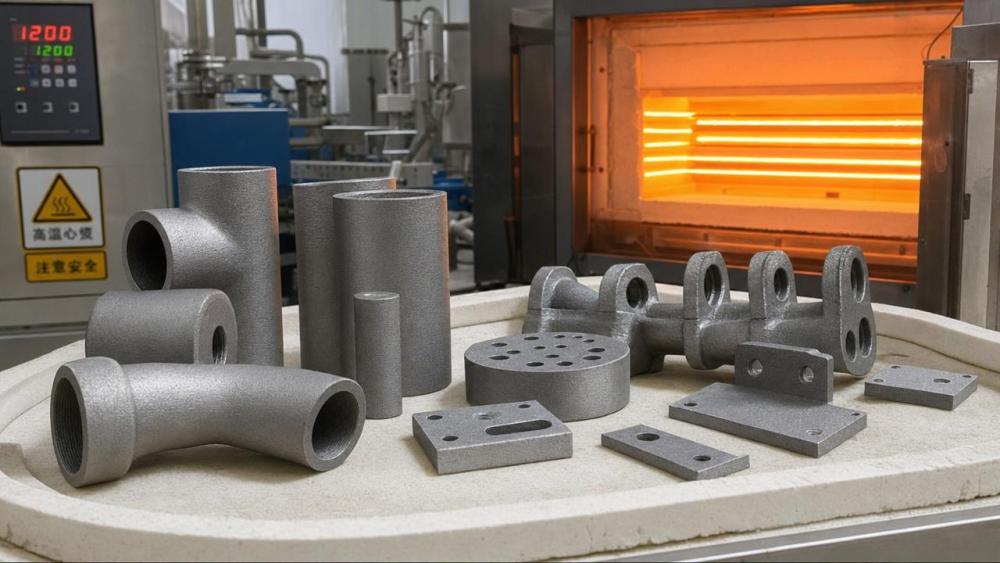
Most readers searching for high temperature oxidation resistance are not looking for a textbook definition alone. They want to know what the term means in practice, why it matters, and how to judge whether a material is truly suitable.
For information researchers in industry, the core intent is usually evaluative. They want to compare materials, understand service risk, and identify the real performance difference between marketing claims and engineering reality.
That is especially important in sectors linked to processing equipment, heat treatment, boilers, dryers, kilns, power systems, and agricultural or light industrial machinery exposed to elevated temperatures and oxygen-rich conditions.
What high temperature oxidation resistance really means
High temperature oxidation resistance refers to a material’s ability to resist chemical reaction with oxygen at elevated temperatures over time. In simple terms, it describes how well a metal or alloy avoids rapid surface degradation when exposed to heat and air.
Many people confuse this with heat resistance. A material may keep its mechanical strength for a period at high temperature, yet still oxidize quickly on the surface. Once oxidation becomes severe, the surface scale can crack, flake, and expose fresh metal underneath.
That repeated reaction can steadily consume the material. So high temperature oxidation resistance is not only about surviving heat. It is about maintaining surface stability, limiting material loss, and preserving function during long-term service.
In industrial use, this matters because oxidation can change dimensions, weaken protective surfaces, reduce thermal efficiency, contaminate products, and shorten component life. A part that looks acceptable in short testing may fail economically in continuous operation.
Why this property matters more than many buyers first expect
For procurement teams and technical evaluators, oxidation resistance often affects total ownership cost more than initial purchase price. A lower-cost material can become expensive if it requires frequent replacement, shutdowns, or extra protective treatment.
In processing and manufacturing systems, oxidized surfaces may also affect cleanliness, heat transfer, and operational reliability. In food-related, biomass-related, or agricultural processing environments, this can influence maintenance planning and product consistency.
Safety is another concern. When oxidation leads to thinning, embrittlement, or scale spallation, the result may be leakage, structural weakness, or sudden component failure. In high temperature systems, small material losses can create large operational risks.
That is why engineers and industry buyers increasingly ask not just whether a material can tolerate a certain temperature, but how fast it oxidizes, under what atmosphere, and for how long it can maintain acceptable performance.
How oxidation happens at high temperature
At elevated temperature, oxygen reacts with the material surface and forms oxide layers. In some materials, that oxide layer becomes dense and adherent, acting as a barrier that slows further oxygen diffusion and protects the underlying metal.
In others, the oxide layer is porous, unstable, or poorly attached. It may crack due to thermal cycling, or detach because of stress differences between the oxide and the base material. When this happens, fresh metal becomes exposed and oxidation accelerates.
The best high temperature oxidation resistance usually comes from materials that form stable protective oxides, such as chromium oxide, aluminum oxide, or silicon-containing films, depending on alloy design and service conditions.
This is why alloy composition matters so much. The goal is not to eliminate oxidation entirely, which is often unrealistic, but to control it by forming a protective surface that slows degradation to a manageable rate.
What determines whether a material has good oxidation resistance
The first key factor is temperature. Oxidation rates often rise rapidly as temperature increases. A material that performs well at 600°C may degrade much faster at 800°C, even in the same atmosphere and with similar loading conditions.
The second factor is atmosphere. Dry air, humid air, combustion gases, water vapor, sulfur compounds, and carbon-bearing gases can all affect oxide formation differently. A material rated for one environment may behave poorly in another.
Time is the third factor. Short-term tests may show limited damage, but industrial service is often measured in thousands of hours. Long exposure reveals whether the protective oxide remains stable or gradually loses its integrity.
Thermal cycling also matters. Repeated heating and cooling can create expansion mismatch between oxide scale and base metal. Even a good oxide layer may fail if constant cycling causes spallation and recurring exposure of fresh surfaces.
Surface condition, fabrication method, and contamination can influence results as well. Weld areas, rough surfaces, and residual contaminants may oxidize differently from polished laboratory specimens. Real components rarely behave exactly like ideal test coupons.
Which materials are commonly chosen for high temperature oxidation resistance
Carbon steels are usually economical, but they offer limited oxidation resistance at higher temperatures. They may be suitable for moderate conditions, but not for long-term service where scale formation becomes severe.
Stainless steels improve oxidation resistance because chromium helps form a protective oxide layer. However, not all stainless grades perform equally well. Composition, operating temperature, and atmosphere strongly affect their real limits.
High-chromium and high-nickel alloys are often selected for more demanding service. These materials can provide better scale stability and longer life in oxidizing environments, particularly when temperature and exposure time exceed standard stainless capabilities.
FeCrAl alloys are also known for strong oxidation performance because they can form alumina-based protective layers. In some electric heating and furnace applications, they are chosen specifically for this reason.
Ceramic coatings, diffusion coatings, and surface engineering methods may also be used where base material strength is needed but surface oxidation must be reduced. This creates another layer of decision-making beyond alloy selection alone.
How to evaluate oxidation resistance without relying only on marketing claims
One practical approach is to ask for test conditions, not just performance labels. Terms like “heat resistant” or “high temperature grade” are too general. Buyers need temperature range, exposure duration, atmosphere details, and oxidation rate data.
Mass gain testing is a common method because oxidation adds oxygen to the material surface. Weight change over time can indicate oxide growth behavior. However, this should be interpreted alongside scale adhesion and post-test surface condition.
Visual inspection also matters. A material may show moderate weight gain but still develop unstable scale that flakes off during handling or service. Spallation can be more damaging than surface discoloration alone.
Long-duration testing is usually more meaningful than short exposure screening. If a supplier only provides brief laboratory data, decision-makers should ask how the material behaves after repeated cycles or extended operation in a comparable environment.
Field references can be highly valuable. Components used in industrial dryers, heat exchangers, burners, biomass systems, thermal processing lines, or furnace hardware provide practical evidence that often matters more than isolated brochure numbers.
Common misunderstandings that lead to poor material decisions
One common mistake is assuming that a higher maximum service temperature automatically means better oxidation resistance. In reality, the published temperature limit may depend on intermittent use, ideal atmosphere, or a specific acceptable life span.
Another mistake is treating all stainless steels as equivalent. A standard stainless grade may perform well in one application and fail quickly in another, especially when water vapor, ash, sulfur, or cyclic heating are involved.
Some buyers focus only on corrosion at low or ambient temperature and overlook oxidation at elevated temperature. But for furnaces, exhaust systems, drying units, and thermal equipment, oxidation may become the dominant failure mechanism.
There is also a tendency to evaluate the base material alone without considering welds, joints, coating damage, and operating fluctuations. In practice, local weak points often determine service life more than nominal bulk composition.
Why this topic matters across agriculture, fishery, forestry, and light industry supply chains
At first glance, high temperature oxidation resistance may sound like a narrow metallurgical issue. In reality, it matters across many industrial chains served by this portal, especially where heating, drying, combustion, and thermal processing equipment are involved.
Grain drying systems, feed processing lines, biomass burners, wood treatment equipment, fishmeal production systems, boiler components, and food-adjacent thermal machinery may all operate under conditions where oxidation affects maintenance frequency and uptime.
For manufacturers, choosing the right material can improve reliability and reduce after-sales issues. For buyers and plant operators, it can lower replacement frequency and improve continuity during seasonal production peaks.
For market researchers, the topic also connects with trade and technology trends. Demand for energy efficiency, longer component life, and cleaner processing often increases interest in advanced alloys, coatings, and upgraded thermal equipment.
How researchers and buyers can make a smarter judgment
Start by defining the real service condition clearly. Record operating temperature, peak temperature, cycle frequency, gas composition, moisture content, maintenance interval, and expected service life. Material choice without this context is mostly guesswork.
Next, compare candidate materials using comparable data. Do not mix short-term laboratory claims with long-term industrial performance references as if they were equal. Ask whether the environment matches your actual process atmosphere.
Then estimate business impact, not just technical suitability. A more oxidation-resistant material may cost more upfront but reduce shutdowns, contamination, labor, spare parts use, and emergency replacement risk over time.
If uncertainty remains, pilot testing or limited field installation can be worthwhile. For critical components, practical validation often saves more money than making a full-scale decision based only on catalogue descriptions.
What a good answer to this topic should leave you with
High temperature oxidation resistance really means controlled survival in hot, oxygen-containing environments, not simply the ability to avoid melting or maintain strength for a short period. It is a surface stability issue with direct operational consequences.
The value of this property becomes clearer when viewed through service life, maintenance cost, safety, and process reliability. For information researchers and industrial evaluators, the key is to connect material data with actual operating conditions.
When assessing equipment, alloys, or components, ask how the oxide layer behaves, how long the protection lasts, and whether cycling or atmosphere will break that protection down. Those questions lead to better decisions than broad temperature labels alone.
In short, understanding high temperature oxidation resistance helps separate durable solutions from expensive compromises. That makes it a practical and strategic concept for anyone following industrial materials, equipment performance, and technology development.
Related News
- 00
0000-00
Europe's Aerospace Supply Chain: Key Bottlenecks and Sourcing Risks - 00
0000-00
Aerospace Material Hardness Comparison: Selecting Alloys for Wear and Fatigue Loads - 00
0000-00
Europe Aviation MRO Market Trends 2026: What Airlines and Suppliers Should Watch - 00
0000-00
How to Use Airframe Fastener Fatigue Data to Predict Joint Life and Inspection Intervals - 00
0000-00
How to Evaluate an Aircraft Heat Exchanger Supplier for Aerospace Programs
Marcus Aero
Weekly Insights
Stay ahead with our curated technology reports delivered every Monday.
News Recommendations
The five pillar industries provide end-to-end industry intelligence.
 Author :Vibration AnalyzersTemperature Sensor Response Time in Food Processing: How Fast Is Fast Enough?Temperature sensor response time in food processing: learn how to compare probes, reduce detection delays, and validate installed performance. Find out how fast is fast enough.
 Author :Marcus AeroEurope's Aerospace Supply Chain: Key Bottlenecks and Sourcing RisksExplore the aerospace supply chain Europe relies on. Uncover material bottlenecks, approval delays and supplier risks—and learn how to strengthen sourcing and protect deliveries.
 Author :Dr. Hideo TanakaTE Connectivity Launches High-Precision MEMS Pressure Sensor SeriesDiscover TE Connectivity’s high-precision MEMS pressure sensors, combining low power and long-term stability for demanding aerospace, industrial automation and medical applications.
 Author :Dr. Elena BioChoosing a Structured Product Information Supplier: Data Quality and Update FrequencyChoose a structured product information supplier with confidence. Learn how to assess data quality, validation, and update frequency to reduce sourcing risks and make smarter buying decisions.
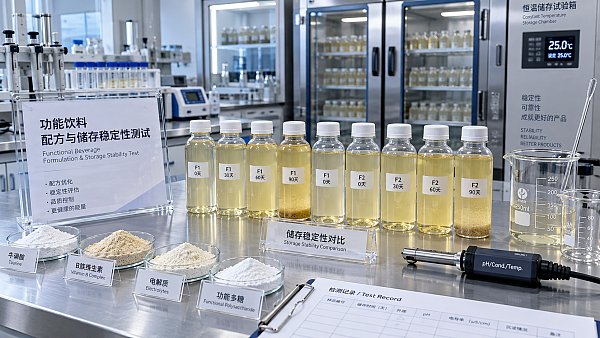
 Author :Dr. Elena BioSelecting Functional Ingredients for Beverages: Efficacy and StabilityOptimize ingredient selection for functional ingredients in beverages. Discover how to verify efficacy, protect shelf-life stability, and deliver consistent doses at a competitive cost.
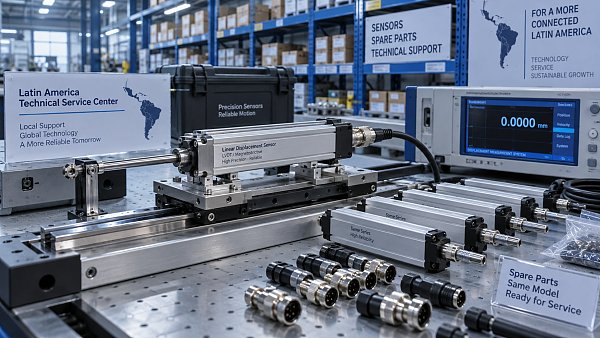
 Author :Vibration AnalyzersDisplacement Sensor Manufacturers in Latin America: Lead Times and Local SupportNeed a displacement sensor manufacturer Latin America can rely on? Compare lead times, local stock, and technical support to reduce downtime and choose the right supplier.
 Author :Dr. Aris ChemWhich Certifications Matter for Adhesives Used in Export Fishing Gear?What fishing gear certifications matter for export markets? Explore adhesive compliance, REACH, food-contact evidence, and durability tests to choose suppliers and ship with confidence.
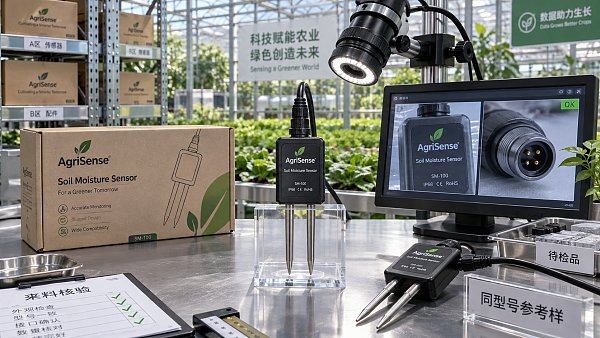
 Author :Vibration AnalyzersHow Can OEM Verification Help Buyers Avoid Counterfeit Farm Sensors?How can I avoid counterfeit farm supplies? Discover how OEM verification, supplier checks, and sensor inspections help reduce buying risks and protect farm operations.
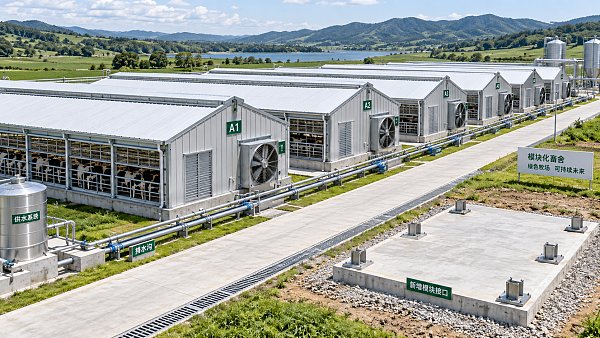
 Author :Lina CleanWhich Modular Livestock Housing Systems Are Easiest to Scale?Which animal husbandry systems are easiest to scale? Compare modular barns, poultry houses, and pig units to find practical expansion options and avoid costly bottlenecks.
 Author :Dr. Hideo TanakaHow Often Should Irrigation Pressure Sensors Be Serviced?How often should commercial irrigation systems be serviced? Discover pressure sensor maintenance intervals, warning signs, and accuracy checks to help cut downtime and reduce water waste.
 Author :Dr. Elena BioChoosing Livestock Procurement Planning Support to Reduce Feed Supply RiskChoose procurement planning support for livestock operations to reduce feed supply risk. Compare forecasting, inventory visibility, and supplier reliability for smarter purchasing decisions.
 Author :Dr. Elena BioAquaculture Equipment: What Each System Does in a Modern Fish FarmAquaculture equipment information for modern fish farms: explore water management, aeration, filtration, feeding, monitoring, fish handling, and backup systems.
 Author :Lina CleanSelecting 1200 x 600 Ceiling Grid Systems for Cleanroom Load and Access Needs1200x600 ceiling grid selection guide for cleanrooms: assess loads, independent equipment support, panel access, sealing, and durable materials for reliable performance.
 Author :Dr. Elena BioSeed Processing Equipment Guide: Selecting Cleaners, Graders, and Treaters by CropAgricultural equipment guide for seed processing: compare crop-specific cleaners, graders, and treaters to improve purity, protect germination, and select a scalable processing line.
 Author :Dr. Elena BioWhat Counts as Forestry Products? A Guide to Timber, Pulp, Biomass, and NTFPsForestry products explained: explore timber, pulp, paper, biomass, and NTFPs, plus sourcing, certification, and trade insights for smarter decisions.
 Author :Dr. Elena BioWhen Is an Industrial Product Subject to FDA Compliance? A Documentation ChecklistIndustrial product knowledge for FDA compliance: learn when contact, intended use, and exposure trigger requirements, plus a practical documentation checklist for confident sourcing.
 Author :Dr. Elena BioSemiconductor Sourcing Strategy: How to Reduce Allocation Risk and Lead-Time ExposureSemiconductor sourcing strategy insights to reduce allocation risk, control lead-time exposure, qualify alternates, and protect production with smarter supply planning.
 Author :Dr. Elena BioDistributor Product Research in Europe: Finding Profitable Market GapsDistributor product research Europe: uncover profitable market gaps with practical insights on demand, compliance, local supply, and scalable routes to market.
 Author :Lina CleanHow to Select Biopharma Cleanroom Modules for GMP-Ready Facility ExpansionBiopharma cleanroom modules: learn how to select scalable, GMP-ready systems that support contamination control, validation, flexible expansion, and reliable delivery.
 Author :Dr. Elena BioFood Ingredient OEM Cooperation: A Due Diligence Checklist for Brand BuyersOEM cooperation guide for food ingredients: use this due diligence checklist to assess quality systems, compliance, capacity, costs, and supplier risk before choosing an OEM partner.
 Author :Dr. Elena BioOEM Cooperation Pricing: What Should Buyers Confirm Before Requesting a Quote?OEM cooperation guide pricing: learn what buyers should confirm before requesting a quote, from specifications and MOQ to quality, lead times, and hidden costs.
 Author :Dr. Elena BioHow to Select Farm Equipment Solutions for Small and Mid-Sized OperationsFarm equipment solutions for small and mid-sized operations: compare capacity, total cost, technology, and supplier support to choose reliable equipment that protects productivity and budget.
 Author :Dr. Elena BioAnimal Husbandry Price Trends: What Feed Costs and Herd Cycles Mean for 2026 MarginsAnimal husbandry price trends for 2026: explore how feed costs, herd cycles, disease, trade, and operational discipline could shape livestock margins and smarter business decisions.
 Author :Dr. Elena BioHydraulic Valve Price by Pressure Rating: What Buyers Should Compare Before OrderingHydraulic valve pressure rating price guide: compare continuous pressure, surge tolerance, flow capacity, seals, and documentation to buy the right valve with confidence.
 Author :Marcus AeroAerospace Material Hardness Comparison: Selecting Alloys for Wear and Fatigue LoadsMaterial hardness comparison aerospace guide: compare alloys for wear and fatigue loads, balancing hardness, toughness, coatings, corrosion resistance, and manufacturing risk.
 Author :Dr. Elena BioLivestock Market Outlook: Supply, Feed Costs, and Pricing Risks for BuyersLivestock market outlook for buyers: assess supply availability, feed-cost pressure, and pricing risks to secure reliable volumes and make smarter purchasing decisions.
 Author :Dr. Aris ChemChemical Sourcing Specification Preparation: What Buyers Must Define Before RFQsSpecification preparation guide for chemical sourcing: define identity, quality, packaging, shelf-life, documentation, and acceptance rules before RFQs for comparable quotes and fewer supply risks.
 Author :Dr. Elena BioCustomization Service Costs: What Information Should Procurement Teams Request?Customization service information cost explained: learn what procurement teams should request to compare quotes, control hidden expenses, and negotiate customized supply projects with confidence.
 Author :Dr. Elena BioAgricultural Trade Market Report: Key Supply, Price, and Policy Signals to TrackAgricultural trade market report: track supply, prices, trade flows, policy shifts, and technology signals to reduce risk, assess suppliers, and uncover new opportunities.
 Author :Lina CleanHow to Qualify a Steel Raised Access Floor Factory for Load and ESD NeedsSteel raised access floor factory qualification guide: verify load ratings, deflection limits, ESD grounding, material traceability, and delivery reliability for critical facilities.
 Author :Lina CleanHow PFAS Bans Are Reshaping Chemical Qualification and Compliance in Semiconductor FabsImpact of PFAS ban on fab chemicals regulations: learn how semiconductor fabs can strengthen chemical qualification, supplier traceability, change control, and waste compliance.
 Author :Dr. Elena BioLabeling Compliance Requirements: A Reference Guide for GMP Fill-Finish OperationsCompliance reference guide labeling requirements for GMP fill-finish operations—strengthen label control, traceability, reconciliation, and deviation prevention.
 Author :Lina CleanNovec Cleanroom Fire Suppression: How to Assess Residue, Downtime, and Room IntegrityNovec cleanroom fire suppression: assess residue, downtime, enclosure integrity, airflow control, and recovery planning to protect critical operations.
 Author :Dr. Elena BioSupplier Capability Evaluation Audits: Criteria for Reducing Supply Chain RiskSupplier capability evaluation audit criteria help procurement teams verify capacity, quality, compliance, and resilience—reducing supply chain risk before approval.
 Author :Dr. Elena BioHow to Set Agricultural pH Level Specifications for Soil and Irrigation WaterAgricultural specification guide pH level: set practical soil and irrigation water limits, improve nutrient efficiency, protect equipment, and reduce crop risks.
 Author :Lina CleanHow to Qualify a Portable Particle Counter Supplier for GMP Cleanroom MonitoringChoose a portable particle counter supplier with proven GMP calibration traceability, data integrity, responsive service, and lifecycle value for reliable cleanroom monitoring.
 Author :Dr. Aris ChemHow Polycarboxylate Superplasticizers Cut Concrete Water Demand Without Sacrificing StrengthConcrete water reduction ratio polycarboxylate solutions help lower water demand while preserving strength, workability, stability, and production reliability. Explore smarter PCE evaluation.
 Author :Dr. Hideo TanakaSelecting ATEX Pressure Sensors for Zone-Classified Gas and Dust EnvironmentsATEX pressure sensor selection guide for Zone-classified gas and dust environments. Explore Ex markings, temperature limits, protection methods, and certified installation essentials.
 Author :Vibration AnalyzersIP67 vs IP69K Sensor Ratings: Selecting Protection for Middle East Dust and WashdownIP67 vs IP69K sensor rating Middle East: compare dust, immersion and hot washdown protection to select reliable sensors for demanding regional conditions.
 Author :Dr. Elena BioChemical Industry Outlook: Feedstock Costs, Supply Risks, and Demand SignalsChemical industry outlook: assess feedstock costs, supply risks, and demand signals to strengthen sourcing, pricing, inventory, and resilient growth.