A professional information and consulting platform for agriculture, forestry, animal husbandry, fishery and related light industry sectors;

CIP SIP system OEM mistakes that delay validation





Choosing a cip/sip system oem can make or break your validation timeline. For project managers and engineering leads, small OEM mistakes in design documentation, component selection, automation logic, or factory testing often lead to costly rework, delayed approvals, and operational risk. Understanding these common pitfalls early helps teams protect schedules, control budgets, and ensure smoother commissioning and compliance.
In agriculture processing, dairy plants, beverage lines, fishery product facilities, feed ingredient production, and related light industries, cleaning and sterilization systems are not a side utility. They directly affect hygiene performance, batch changeover time, product safety, and audit readiness. When a cip/sip system oem underestimates validation requirements, the impact often reaches far beyond engineering: delayed startup can interrupt seasonal production windows, contract delivery plans, and customer acceptance milestones.
For project leaders managing tight schedules of 6 to 18 months, the real challenge is not only selecting equipment that cleans tanks and pipelines. It is choosing an OEM partner that understands documentation discipline, automation traceability, hygienic design, FAT execution, and handover quality. The sections below focus on the mistakes that most often delay validation and how to prevent them before procurement turns into rework.
Where validation delays usually begin in CIP/SIP projects

Validation problems rarely start during final approval. In most cases, they begin in the first 10% to 20% of the project, when user requirements, process assumptions, and OEM design boundaries are still unclear. A cip/sip system oem may offer a technically workable package, yet if the design basis does not match the site’s hygiene strategy, utility profile, or production rhythm, validation will slow down later during FAT, SAT, IQ, OQ, or PQ.
1. Incomplete design documentation at the quotation and approval stage
One of the most common mistakes is weak documentation control before manufacturing starts. Project teams often receive a proposal with a general P&ID, a brief utility list, and a short functional description. That is not enough for validation planning. In regulated or hygiene-critical facilities, missing tag lists, valve matrices, instrument ranges, weld finish expectations, and drainability details can add 2 to 6 weeks of clarification later.
For facilities handling milk, juice, aquatic protein, fermentation media, or animal nutrition liquids, design records should define line segregation, return conductivity logic, minimum flow targets, heating hold conditions, and recovery routing. If these points remain “to be confirmed,” the OEM may build a system that works mechanically but fails document review or test protocol alignment.
Typical documentation gaps that create rework
- Unclear boundary between process skid scope and plant utility scope
- Missing instrument calibration ranges, such as temperature 0–150°C or conductivity 0–20 mS/cm
- No approved list of product contact materials and seal materials
- Undefined acceptance criteria for spray coverage, return temperature, and rinse endpoint
- Insufficient document revision control across OEM, integrator, and end user teams
2. Poor component selection for hygiene and service life
Another validation risk appears when a cip/sip system oem selects components mainly for cost or short lead time. In agro-processing and light industry settings, valves, sensors, pumps, heat exchangers, and seals must withstand repeated thermal cycling, chemical exposure, and high-frequency cleaning. A line running 2 to 5 CIP cycles per day places very different demands on elastomers and instruments than a low-frequency utility line.
If conductivity sensors drift after a few months, or if seat valves are not suitable for the actual caustic and acid profile, validation records lose credibility because repeatability becomes harder to prove. This is especially relevant in operations with seasonal peaks, where systems may shift from one product family to another in less than 30 minutes.
The table below shows common OEM errors and how they typically affect validation schedules in food, aquaculture, and related processing environments.
The pattern is clear: validation delays are usually not caused by one major failure but by 4 or 5 small gaps that accumulate. For project managers, early document completeness is often a stronger predictor of smooth validation than price alone.
3. Automation logic that is functional but not validation-ready
A cip/sip system oem may deliver automation that runs a cleaning cycle from start to finish, yet still fail validation expectations. The problem is not whether the skid can start a pump or open a valve. The issue is whether the control logic supports traceability, recipe security, alarm history, manual intervention records, and repeatable execution across all circuits.
For example, if the PLC program allows operators to bypass hold time, alter conductivity thresholds, or switch return paths without logged authorization, the validation team may challenge the whole sequence. In practical terms, even a 15-minute SIP hold or a 3-step caustic-rinse-acid cycle needs clearly locked parameters, timestamped events, and consistent naming conventions. Otherwise, the FAT may pass in principle while OQ fails in execution.
4. Weak FAT planning and unrealistic acceptance criteria
Many schedule slips occur because FAT is treated as a general equipment demonstration instead of a structured validation gate. In a robust project, FAT should verify not only motors, valves, and HMI screens, but also 80% to 90% of the agreed logic, alarm responses, recipe steps, data points, and document pack completeness. If FAT covers only basic motion tests, unresolved issues shift to site where labor costs are higher and schedule tolerance is lower.
This matters even more in remote agricultural processing zones, where replacement parts or specialist programmers may need 7 to 14 days to arrive. A poorly planned FAT can easily turn a 3-day site startup into a 3-week troubleshooting event.
How project managers can evaluate a CIP/SIP system OEM before contract award
Preventing delays starts before the purchase order is issued. A capable cip/sip system oem should be assessed on technical depth, validation awareness, and execution discipline, not only skid price or nominal delivery time. For agro-industrial buyers, procurement should combine engineering review, hygiene risk review, and service readiness in one decision framework.
Build a 4-part OEM evaluation checklist
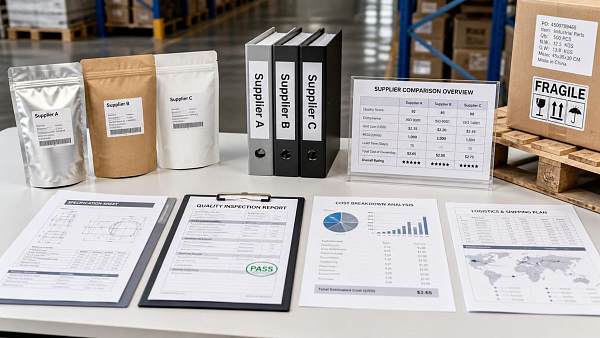
A practical way to compare suppliers is to score them across 4 dimensions: documentation quality, hygienic design competence, automation transparency, and FAT/SAT support. Each dimension can be rated on a 1 to 5 scale. This method helps teams compare two or three shortlisted OEMs using the same criteria, especially when one supplier is lower in price but weaker in execution detail.
- Documentation package: URS response, P&ID depth, bill of materials, I/O list, functional specification
- Mechanical hygiene: drainability, material traceability, weld finish, dead-leg control, cleanability access
- Automation and records: recipe control, alarm management, historian compatibility, audit trail logic
- Project delivery: FAT agenda, spare parts list, commissioning support, response time, training plan
Questions worth asking during technical clarification
- How many circuit recipes can be managed without custom software changes?
- What is the typical operating temperature range for CIP and SIP loops, such as 20–85°C for cleaning and up to 121°C for sterilization where applicable?
- Can the OEM provide FAT test scripts before fabrication is complete?
- How are conductivity and temperature instruments calibrated and documented?
- What spare parts are recommended for the first 12 months of operation?
The next table can be used as a procurement reference when comparing a cip/sip system oem for dairy, beverage, feed liquid handling, or fishery processing lines.
A structured comparison often reveals why the cheapest bid becomes the most expensive project. When documentation, controls, and startup support are weak, even a 5% to 8% purchase saving can disappear through travel, retesting, downtime, and delayed product release.
Match the OEM to your process reality, not a generic specification
Different facilities need different design priorities. A fishery protein plant may focus on high soil load and odor control. A fruit beverage line may need rapid flavor changeover. A dairy blending site may require strict allergen segregation and frequent intermediate rinses. The best cip/sip system oem for one environment is not automatically the best for another.
Project teams should define at least 6 process-specific inputs before final OEM selection: number of circuits, soil type, target cleaning time, available utilities, expected production changeovers per day, and required reporting level. Without these inputs, OEM proposals will be based on assumptions, and assumptions are a common source of validation drift.
Implementation practices that reduce rework during FAT, SAT, and commissioning
Even after selecting a capable cip/sip system oem, project success still depends on execution discipline. Validation-friendly implementation requires tighter coordination between the OEM, site engineering, quality, automation, and production teams. The objective is to close issues while the skid is still in the workshop, not after it reaches the plant.
Use a staged review model with fixed document gates
A useful model is to split review into 3 gates: design freeze, pre-FAT review, and pre-shipment release. At the design freeze stage, the team confirms P&ID logic, utilities, materials, and control philosophy. At pre-FAT, the focus shifts to software status, instrument setup, and test scripts. At pre-shipment, the team checks punch-list closure, as-built documents, and spare parts readiness.
This 3-gate approach can cut avoidable site questions significantly because open items are tracked earlier. For large multi-line facilities, adding a weekly 45-minute cross-functional review often saves more time than waiting for formal meetings every 2 or 3 weeks.
Define FAT around evidence, not demonstration
A strong FAT should include recipe simulation, alarm testing, interlock verification, trend review, manual override control, and instrument calibration checks. In many projects, 20 to 30 FAT test cases are enough for a standard skid, while integrated systems may need 40 or more. The point is not volume but relevance. Every test should connect to a future IQ, OQ, or operational control need.
Where possible, ask the cip/sip system oem to provide screenshots, trend captures, alarm logs, and redlined P&IDs as part of the FAT record. This reduces disputes later about whether a function was present, tested, or modified.
Minimum FAT evidence package
- Approved FAT protocol with step numbers and pass/fail fields
- Instrument list with tag numbers and setup ranges
- Software version record and change log
- Alarm and interlock matrix
- Punch list with owner and due date for each item
Prepare site conditions before the skid arrives
Many OEMs are blamed for delays that actually begin at site level. Before shipment, the plant should verify utilities, drainage, cable routing, network access, structural support, and chemical storage readiness. A missing steam trap, poor condensate return, or unstable compressed air supply can distort SIP results or valve performance, making the cip/sip system oem appear non-compliant when the root cause is site readiness.
For project managers, a simple pre-arrival checklist of 10 to 15 items is often enough. If 2 or 3 site prerequisites are late, the startup sequence may compress into a shorter window, increasing the chance of rushed testing and incomplete records.
Plan training and ownership transfer early
Validation is easier when operators, maintenance staff, and QA reviewers understand the system before handover. Training should cover not only operation but also cleaning recipe logic, alarm response, sensor meaning, and routine inspection points. In many facilities, 4 to 8 hours of structured training per team is enough to reduce avoidable startup deviations.
This is especially important in facilities with shift rotation or seasonal labor peaks. If operator actions are inconsistent, even a well-designed skid may produce variable results that complicate performance qualification and early production runs.
Common misconceptions about CIP/SIP system OEM selection
Several myths continue to slow down procurement decisions in agro-processing and light industry projects. Recognizing them early helps teams avoid false confidence and hidden cost.
“If the OEM has built many skids, validation will be easy”
Experience matters, but only if it matches your process and compliance expectations. An OEM may have built 50 cleaning skids for general industry, yet still struggle with recipe documentation, audit trail expectations, or hygienic detail needed in dairy, fish processing, or beverage lines. Relevant project fit is more important than raw project count.
“A shorter delivery promise means lower startup risk”
Fast delivery can be attractive, especially before harvest or peak procurement periods. But if the OEM compresses engineering review from 4 weeks to 10 days, the risk of missing details increases sharply. A realistic delivery plan with defined review milestones is usually safer than an aggressive promise that leaves no time for correction.
“Validation is mainly the site team’s responsibility”
Site teams execute protocols, but the OEM shapes the evidence base. When a cip/sip system oem does not provide complete documentation, stable automation, and meaningful FAT records, the site inherits unnecessary uncertainty. Good OEMs reduce the validation burden by delivering a system that is easier to prove, not just easier to ship.
For project managers and engineering leads, the safest path is to treat OEM selection as a validation decision, not only a capital equipment purchase. Strong design records, fit-for-purpose components, transparent automation, and disciplined FAT practice can prevent weeks of delay and protect both startup schedules and product integrity. If you are reviewing options for a cip/sip system oem in agriculture processing, food-related light industry, aquaculture, or allied production environments, now is the right time to compare technical depth before contract award. Contact us to discuss your process needs, request a tailored evaluation checklist, or explore more solutions for smoother commissioning and compliance.
Related News
- 00
0000-00
FDA Revises GMP Metrics Draft for Purification Skids - 00
0000-00
Ingredient Information Wholesale: What Buyers Should Verify Before Placing Bulk Orders - 00
0000-00
Ultrafiltration Flux Rate in Europe: What Affects Performance Across Water Quality Conditions - 00
0000-00
FDA Import Alert Adds ISO 13485 Hold for Purification Parts - 00
0000-00
FDA Tightens Entry Rules for Purification Skids
Dr. Elena Bio
Weekly Insights
Stay ahead with our curated technology reports delivered every Monday.
News Recommendations
The five pillar industries provide end-to-end industry intelligence.
 Author :Dr. Elena BioLabeling Compliance Requirements: A Reference Guide for GMP Fill-Finish OperationsCompliance reference guide labeling requirements for GMP fill-finish operations—strengthen label control, traceability, reconciliation, and deviation prevention.
 Author :Lina CleanNovec Cleanroom Fire Suppression: How to Assess Residue, Downtime, and Room IntegrityNovec cleanroom fire suppression: assess residue, downtime, enclosure integrity, airflow control, and recovery planning to protect critical operations.
 Author :Dr. Elena BioSupplier Capability Evaluation Audits: Criteria for Reducing Supply Chain RiskSupplier capability evaluation audit criteria help procurement teams verify capacity, quality, compliance, and resilience—reducing supply chain risk before approval.
 Author :Dr. Elena BioHow to Set Agricultural pH Level Specifications for Soil and Irrigation WaterAgricultural specification guide pH level: set practical soil and irrigation water limits, improve nutrient efficiency, protect equipment, and reduce crop risks.
 Author :Lina CleanHow to Qualify a Portable Particle Counter Supplier for GMP Cleanroom MonitoringChoose a portable particle counter supplier with proven GMP calibration traceability, data integrity, responsive service, and lifecycle value for reliable cleanroom monitoring.
 Author :Dr. Aris ChemHow Polycarboxylate Superplasticizers Cut Concrete Water Demand Without Sacrificing StrengthConcrete water reduction ratio polycarboxylate solutions help lower water demand while preserving strength, workability, stability, and production reliability. Explore smarter PCE evaluation.
 Author :Dr. Hideo TanakaSelecting ATEX Pressure Sensors for Zone-Classified Gas and Dust EnvironmentsATEX pressure sensor selection guide for Zone-classified gas and dust environments. Explore Ex markings, temperature limits, protection methods, and certified installation essentials.
 Author :Vibration AnalyzersIP67 vs IP69K Sensor Ratings: Selecting Protection for Middle East Dust and WashdownIP67 vs IP69K sensor rating Middle East: compare dust, immersion and hot washdown protection to select reliable sensors for demanding regional conditions.
 Author :Dr. Elena BioChemical Industry Outlook: Feedstock Costs, Supply Risks, and Demand SignalsChemical industry outlook: assess feedstock costs, supply risks, and demand signals to strengthen sourcing, pricing, inventory, and resilient growth.
 Author :Vibration AnalyzersHow to Select an Edge Computing Sensor Gateway for Low-Latency Industrial MonitoringEdge computing sensor gateway selection guide for low-latency industrial monitoring. Compare compatibility, reliability, security, and integration to improve uptime.
 Author :Dr. Elena BioFood Packaging Policy Updates: What Compliance Teams Must Track in 2026Food packaging policy updates for 2026: build a market-ready compliance system for food contact safety, recycled content, labeling, supplier evidence, and packaging claims.
 Author :Dr. Aris ChemMortar Bond Strength Test: Methods, Failure Modes, and Acceptance CriteriaMortar bond strength test guide: compare methods, interpret failure modes, and set project-specific acceptance criteria for reliable masonry performance.
 Author :Vibration AnalyzersSmart Factory Automation News: Which Investment Signals Matter to Discrete Manufacturers?Smart factory automation news: discover the investment signals that help discrete manufacturers improve quality, flexibility, uptime, and ROI without costly disruption.
 Author :Dr. Elena BioHow to Evaluate Fishery Technology Suppliers in Europe for Fleet Upgrade ProjectsFishery technology supplier Europe guide: evaluate fleet upgrade partners for compatibility, compliance, lifecycle cost, service coverage, data security, and risk-adjusted value.
 Author :Dr. Elena BioSingle-Use Bioreactor Cost: What Drives Pricing and Total Cost of Ownership?Single use bioreactor cost explained: compare purchase price, bag expenses, automation, service, and total cost of ownership for smarter procurement decisions.
 Author :Dr. Elena BioAgricultural Specification Guide: What pH Levels Do Different Crops Need?Agricultural specification guide pH level: discover ideal soil pH ranges for major crops, avoid nutrient lock-up, and improve yield with smarter testing and amendments.
 Author :Dr. Aris ChemHow to Evaluate a Powder Polycarboxylate Ether Factory for Reliable Concrete SupplyEvaluate a powder polycarboxylate ether factory with practical guidance on quality control, concrete compatibility, supply reliability, and total cost performance.
 Author :Dr. Aris ChemConcrete Strength Price: How Mix Grade, Cement Content, and Admixtures Affect CostConcrete strength price explained: compare mix grade, cement content, aggregates, admixtures, and delivery costs to secure reliable performance and better value.
 Author :Dr. Aris ChemSelf-Leveling Flowability Metrics: How to Predict Spread and Placement StabilitySelf-leveling flowability metrics reveal how spread, flow retention, rheology, and segregation resistance shape stable placement—explore a practical evaluation framework.
 Author :Dr. Elena BioHow to Evaluate an Industrial Supplier Directory for Reliable Sourcing DecisionsIndustrial sourcing information helps buyers assess supplier directory quality, verify lead relevance, and make smarter, lower-risk sourcing decisions. Discover practical evaluation steps.
 Author :Lina CleanHow to Evaluate Low Energy Cleanrooms for HVAC Efficiency and Airflow ControlLow energy cleanrooms: learn how to evaluate HVAC efficiency, airflow, pressure cascades, recovery tests, and lifecycle costs for reliable contamination control.
 Author :Dr. Elena BioSupplier Capability Assessment Criteria: A Practical Scorecard for Procurement TeamsSupplier capability assessment criteria: build a practical procurement scorecard to verify quality, capacity, traceability, delivery resilience, and supplier risk controls.
 Author :Lina CleanHEPA Filtration in Europe: Which EN 1822 Requirements Matter for Cleanroom Projects?HEPA filtration Europe guide: understand EN 1822 H13/H14 requirements, MPPS testing, leak scans and cleanroom integrity checks for confident project specifications.
 Author :Dr. Elena BioSupplier Capability Assessment Checklist: 12 Criteria to Reduce Sourcing RiskSupplier capability assessment checklist: explore 12 essential criteria to evaluate quality, capacity, compliance, traceability, and delivery reliability—reduce sourcing risk and build resilient supplier partnerships.
 Author :Lina CleanHow to Set Cleanroom Environmental Alert Limits for Lithography Yield ControlLithography environment control alerts for cleanroom yield: learn to set warning and action limits that detect drift early, reduce false alarms, and protect wafers.
 Author :Dr. Elena BioAgriculture Supply Chain News: What Disruptions Mean for Crop Input BuyersAgriculture supply chain news helps crop input buyers manage fertilizer, seed, pesticide, and logistics disruptions with smarter sourcing strategies and stronger supply resilience.
 Author :Marcus AeroEurope Aviation MRO Market Trends 2026: What Airlines and Suppliers Should WatchAviation MRO market trends 2026 Europe reveal where engine bottlenecks, labor shortages, digital upgrades, and supplier partnerships will reshape airline costs, capacity, and competitive advantage.
 Author :Dr. Elena BioHow to Evaluate Wastewater Treatment Solutions for Compliance, Cost, and Site NeedsSolution evaluation resources for wastewater treatment: learn how to compare compliance, lifecycle cost, and site constraints to choose reliable systems with less risk.
 Author :Dr. Elena BioWhat Procurement Product Evaluation Resources Help Buyers Compare Vendors Faster?Procurement product evaluation resources help buyers compare vendors faster with spec sheets, scorecards, cost models, and compliance checks that reduce risk, delays, and hidden costs.
 Author :Dr. Aris ChemHow Insulation R-Value Affects Chemical Processing Energy Costs and ROIInsulation r-value chemical metrics cost analysis shows how better insulation cuts energy spend, improves process stability, and delivers faster ROI in chemical processing.
 Author :Marcus AeroLightweight Material Innovations in Manufacturing: What Engineers Should WatchLightweight material innovations news manufacturing: explore which composites, alloys, and bio-based polymers are truly production-ready, lower risk, and worth engineers’ attention now.
 Author :Dr. Elena BioCrop Input Buyer Guide: How to Compare Fertilizer, Seed, and Chemical OptionsCrop input buyer guide for smarter fertilizer, seed, and chemical decisions. Compare real cost, field performance, compliance, and supplier reliability to protect farm margins.
 Author :Dr. Elena BioHow to Evaluate Animal Nutrition Purchasing Specifications for Ingredient QualityPurchasing specification resources animal nutrition teams use should define quality, safety, traceability, and receiving standards—learn how to compare ingredient specs and avoid costly sourcing mistakes.
 Author :Dr. Elena BioHow to Evaluate Animal Feed Additives for Livestock Performance and Cost ControlAnimal feed additives: learn how to compare function, inclusion cost, performance impact, and supplier reliability to improve livestock results and control feed spend.
 Author :Marcus AeroHow to Use Airframe Fastener Fatigue Data to Predict Joint Life and Inspection IntervalsAirframe fastener fatigue data explained in a practical guide to predict joint life, assess crack growth, and set safer inspection intervals with more confidence.
 Author :Lina CleanChina Customs Launches Fast-Track Export Clearance for FFU and HEPA FiltersChina Customs launches fast-track export clearance for FFU and HEPA filters, targeting 48-hour processing at key ports. Explore how this pilot boosts compliance confidence and delivery predictability.
 Author :Marcus AeroHow to Evaluate an Aircraft Heat Exchanger Supplier for Aerospace ProgramsAircraft heat exchanger supplier selection can make or break aerospace programs. Learn how to assess compliance, quality systems, engineering depth, lead times, and total cost before award.
 Author :Lina CleanChina-UAE Direct Sea Route Cuts FFU and HEPA Lead Times by 7-10 DaysChina-UAE direct sea route cuts FFU and HEPA lead times by 7-10 days, helping Gulf buyers improve cleanroom supply planning, project timing, and delivery stability. Learn what it means now.
 Author :Dr. Elena BioFood Grade Plastics Compared: How to Evaluate Safety, Heat Resistance, and CostMaterial comparison guide for food grade plastics: compare safety, heat resistance, and cost to choose the best resin for your application.
 Author :Lina CleanChina Imposes Temporary Helium Export Controls, Raising Supply Chain Questions for FFU and HEPA MakersChina helium export controls raise urgent questions for FFU and HEPA makers. Learn how compliance, cleanroom testing, and delivery stability may be affected.