A professional information and consulting platform for agriculture, forestry, animal husbandry, fishery and related light industry sectors;

When Agricultural Processing Machinery Becomes a Bottleneck





When agricultural processing machinery becomes a bottleneck, the impact reaches far beyond the production line—slowing deliveries, raising costs, and weakening competitiveness across the supply chain. For business decision-makers, understanding where these constraints emerge and how technology, investment, and market shifts can address them is essential to improving efficiency and securing long-term growth.
Why does agricultural processing machinery become a bottleneck so often?
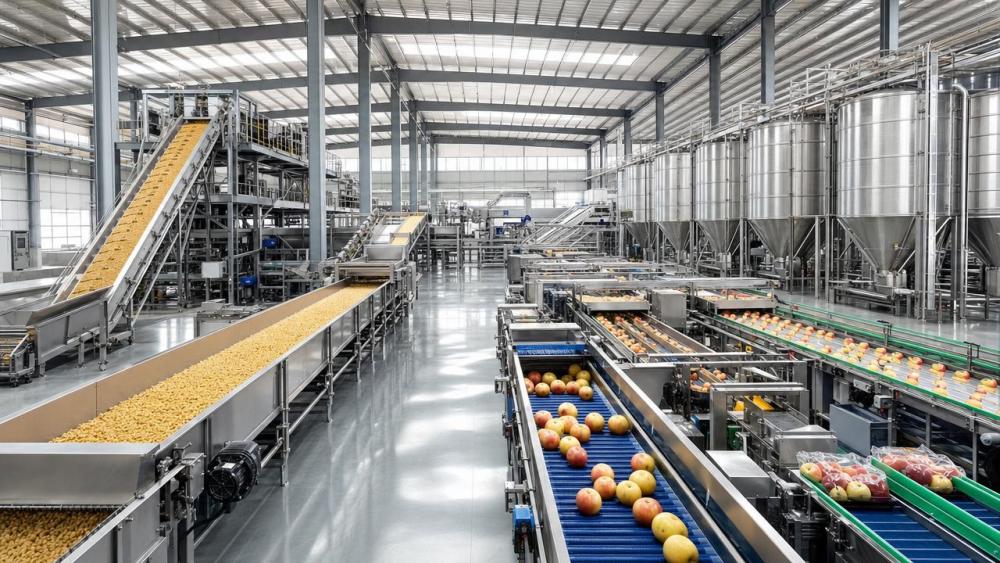
In agriculture, forestry, animal husbandry, sideline processing, fishery, and related light industries, production does not fail only because of poor harvests or weak demand. In many cases, the real constraint appears in the middle of the value chain, where agricultural processing machinery must turn raw materials into stable, saleable, compliant products at the right speed and cost.
For enterprise decision-makers, this bottleneck is not just a factory issue. It affects procurement timing, labor allocation, inventory pressure, export readiness, customer satisfaction, and cash flow. A grain cleaner that cannot handle peak harvest volumes, a feed mixer with inconsistent output, or a fruit sorting line with excessive downtime can reduce margins across the entire operation.
Agricultural processing machinery often becomes a bottleneck for four practical reasons:
- Capacity was selected for average demand rather than seasonal peaks, creating severe congestion during harvest or procurement surges.
- Equipment integration is weak, so cleaning, grading, drying, cutting, packing, or cold-chain links do not match each other in rhythm.
- Maintenance planning is reactive, not preventive, which increases unplanned downtime and spare-parts delays.
- Market and regulatory requirements evolve faster than installed machinery, especially in traceability, hygiene, energy use, and product consistency.
This is why buyers, plant managers, and supply chain partners increasingly need more than product catalogs. They need timely intelligence on policy updates, market trends, price movements, technology shifts, and supplier developments. A specialized industry information portal can help decision-makers connect machinery choices with real commercial conditions rather than isolated technical specifications.
Where do agricultural processing machinery constraints show up across the industry?
The bottleneck is rarely identical across sectors. In the broader agriculture and light-industry ecosystem, the weak point depends on product characteristics, shelf life, moisture level, labor availability, compliance pressure, and order volatility. The table below highlights how agricultural processing machinery limitations typically appear in different operating scenarios.
A key takeaway for executives is that agricultural processing machinery should be evaluated as part of a product flow, not as a standalone asset. A high-capacity machine can still be the wrong investment if upstream feeding, downstream packaging, utility supply, or operator capability cannot support it.
Why peak season exposes hidden weaknesses
During normal weeks, underperforming machinery may look acceptable. In peak periods, however, hidden inefficiencies become visible. Cleaning losses increase. Moisture control becomes uneven. Sorting accuracy drops. Planned output is missed. In sectors with short harvest windows or cold-chain sensitivity, these issues directly erode commercial value.
This is especially relevant for buyers and supply chain partners who depend on schedule certainty. Delays at the processing stage may trigger cascading effects: price renegotiation, increased return rates, transport rescheduling, and lost export opportunities.
How should decision-makers evaluate agricultural processing machinery before investing?
Selecting agricultural processing machinery is not only a technical purchase. It is a risk management decision. Many companies focus too much on nameplate capacity and too little on operating conditions, maintenance realism, and integration with the rest of the line. The assessment framework below is more practical for business decisions.
A machinery purchase that ignores these four dimensions can look cheap at the quotation stage yet become expensive in operation. Smart buyers compare not only acquisition cost but also downtime exposure, process stability, operator requirements, and replacement-part risk.
A practical procurement checklist
- Map the full process flow from raw material intake to final packing, then identify the slowest current step.
- Define peak-season volume, not only annual average volume, when specifying agricultural processing machinery.
- Confirm the raw material range, including moisture, impurity level, particle size, or biological variability.
- Request maintenance and spare-parts information early, especially for imported or customized systems.
- Evaluate operator skill requirements and training load before approving capital expenditure.
What is the real cost of a machinery bottleneck?
The most dangerous cost is often invisible in financial summaries. When agricultural processing machinery cannot keep pace, companies do not lose money in one obvious line item. Losses spread across labor overtime, product damage, storage overload, missed orders, quality claims, and weakened bargaining power with buyers.
The comparison below helps management teams distinguish between direct machine cost and broader operational impact.
This is why the right conversation is not “How much does the machine cost?” but “How much does the bottleneck cost if we leave it unresolved for another season?” In many operations, that answer is far more meaningful than the equipment price itself.
Alternatives to full replacement
Not every bottleneck requires a complete line rebuild. In some cases, companies can improve performance through staged upgrades:
- Add pre-cleaning, pre-sorting, or buffer storage to smooth material flow.
- Replace one critical machine rather than the entire processing line.
- Introduce automation in feeding, weighing, or packaging where labor variability is highest.
- Use digital monitoring for downtime tracking and maintenance scheduling before making larger capital decisions.
Which standards and compliance points should buyers pay attention to?
For agricultural processing machinery, compliance is not limited to the machine frame or motor specification. Buyers should think in terms of safety, sanitation, documentation, and product-market fit. Requirements differ by region and product category, but several general checkpoints are consistently relevant.
Core compliance questions
- Does the equipment design support safe operation, emergency stop access, and clear maintenance procedures?
- For food-related applications, are contact surfaces and cleanability appropriate for hygiene management?
- Can the machinery support traceability, batch control, and inspection records demanded by buyers or regulators?
- Is technical documentation available for installation, operation, maintenance, and spare-parts identification?
Decision-makers should avoid assuming that a machine suitable for one market will automatically fit another. Export-oriented processors, especially in food and fishery value chains, often face higher expectations around documentation, consistency, and audit readiness.
What mistakes do companies make when selecting agricultural processing machinery?
The same purchasing mistakes appear across different sectors. They are rarely caused by lack of effort. More often, they result from incomplete information, siloed decision-making, or pressure to move quickly before the next production cycle.
Common misconceptions
“Higher rated capacity always solves the problem.”
Not if the real issue is unstable feeding, poor material preparation, weak utilities, or slow downstream packaging. Capacity mismatches can simply move the bottleneck to the next point in the line.
“Manual work is cheaper than upgrading machinery.”
That may hold during low-volume periods, but not when labor shortages, quality variation, or compliance checks intensify. For many processors, manual dependency creates higher hidden costs than expected.
“Any supplier can provide similar after-sales support.”
Support quality varies widely. Buyers should check response time, part availability, documentation clarity, and whether technical guidance matches the target product category.
FAQ: what do business buyers usually ask first?
How do we know whether agricultural processing machinery is truly our bottleneck?
Track queue time, idle time, rework rate, peak-season throughput, and order delay frequency across the full line. If raw materials arrive on time but finished output still lags, the processing stage is a likely constraint. A simple line-balance review often reveals whether one machine or one transition point is limiting the whole system.
What should we prioritize first: throughput, automation, or quality consistency?
Priority depends on your business model. If missed deliveries are your main pain point, throughput may come first. If returns or audit pressure are increasing, quality consistency may deserve immediate attention. If labor turnover is high, selective automation can reduce operational risk faster than adding nominal capacity.
How long is the decision cycle for upgrading agricultural processing machinery?
It varies by project scope, site conditions, and supplier readiness. A single-machine upgrade can move relatively quickly if specifications are clear. A line-level change often takes longer because utilities, layout, installation timing, training, and acceptance planning all affect the schedule. Early technical clarification reduces later delays.
Is it better to buy modular equipment or a complete line?
Modular solutions can reduce upfront risk and support phased investment. Complete lines can improve control and compatibility when process requirements are stable and volumes justify integration. The right choice depends on budget flexibility, expansion plans, and how standardized your product flow is.
What trends will reshape agricultural processing machinery decisions?
Several trends are changing how enterprises approach machinery investment. First, volatile commodity prices make efficiency and yield preservation more important. Second, tighter buyer requirements push processors toward better traceability and more consistent output. Third, labor constraints increase interest in automation, even among mid-sized operators. Fourth, energy and maintenance costs are forcing closer attention to lifecycle value rather than purchase price alone.
At the same time, better access to industry intelligence is improving decision quality. Companies that follow market trends, policy changes, company news, technology innovation, and trade developments can make better-timed investments. They are more likely to upgrade before a bottleneck becomes a crisis and more likely to align machinery strategy with customer demand and supply chain shifts.
Why choose us for insight, sourcing judgment, and next-step planning?
For decision-makers dealing with agricultural processing machinery challenges, the problem is rarely just finding equipment information. The harder task is connecting machinery choices with market timing, price movements, policy changes, compliance expectations, and real supply chain conditions. That is where a specialized industry portal creates practical value.
Our focus on agriculture, forestry, animal husbandry, sideline industries, fishery, and related light industries helps businesses compare options in context. Instead of looking at machinery in isolation, you can assess it alongside trade developments, company news, technology trends, and operational realities that affect investment returns.
You can contact us to discuss:
- How to confirm whether agricultural processing machinery is the current capacity bottleneck in your operation.
- How to compare product selection paths based on throughput, raw material characteristics, and downstream process compatibility.
- How to evaluate delivery timelines, installation sequencing, and peak-season procurement windows.
- How to review certification expectations, technical documentation needs, and compliance-related considerations.
- How to explore customized solutions, sample-process discussions, and quotation communication with clearer technical assumptions.
If your team is weighing an upgrade, replacing a critical unit, or trying to avoid another season of processing delays, reach out with your product category, target capacity, raw material conditions, and timeline. A better agricultural processing machinery decision usually starts with better information—and faster clarification of what the bottleneck is really costing you.
Related News
- 00
0000-00
ISO 22852:2026 Sets Cybersecurity Checks for Vibration Analyzers - 00
0000-00
Engine Vibration Benchmark Data: How to Compare RMS, Peak, and Frequency Bands - 00
0000-00
Iraq OPEC Exit Threat May Extend Vibration Analyzer Lead Times - 00
0000-00
Russia Tightens Transit Rules, Raising Costs for Vibration Analyzers - 00
0000-00
Russia Tightens Freight Checks, Pressuring Vibration Analyzer Exports
Dr. Hideo Tanaka
Weekly Insights
Stay ahead with our curated technology reports delivered every Monday.
News Recommendations
The five pillar industries provide end-to-end industry intelligence.
 Author :Dr. Elena BioSupplier Capability Evaluation Audits: Criteria for Reducing Supply Chain RiskSupplier capability evaluation audit criteria help procurement teams verify capacity, quality, compliance, and resilience—reducing supply chain risk before approval.
 Author :Dr. Elena BioHow to Set Agricultural pH Level Specifications for Soil and Irrigation WaterAgricultural specification guide pH level: set practical soil and irrigation water limits, improve nutrient efficiency, protect equipment, and reduce crop risks.
 Author :Lina CleanHow to Qualify a Portable Particle Counter Supplier for GMP Cleanroom MonitoringChoose a portable particle counter supplier with proven GMP calibration traceability, data integrity, responsive service, and lifecycle value for reliable cleanroom monitoring.
 Author :Dr. Aris ChemHow Polycarboxylate Superplasticizers Cut Concrete Water Demand Without Sacrificing StrengthConcrete water reduction ratio polycarboxylate solutions help lower water demand while preserving strength, workability, stability, and production reliability. Explore smarter PCE evaluation.
 Author :Dr. Hideo TanakaSelecting ATEX Pressure Sensors for Zone-Classified Gas and Dust EnvironmentsATEX pressure sensor selection guide for Zone-classified gas and dust environments. Explore Ex markings, temperature limits, protection methods, and certified installation essentials.
 Author :Vibration AnalyzersIP67 vs IP69K Sensor Ratings: Selecting Protection for Middle East Dust and WashdownIP67 vs IP69K sensor rating Middle East: compare dust, immersion and hot washdown protection to select reliable sensors for demanding regional conditions.
 Author :Dr. Elena BioChemical Industry Outlook: Feedstock Costs, Supply Risks, and Demand SignalsChemical industry outlook: assess feedstock costs, supply risks, and demand signals to strengthen sourcing, pricing, inventory, and resilient growth.
 Author :Vibration AnalyzersHow to Select an Edge Computing Sensor Gateway for Low-Latency Industrial MonitoringEdge computing sensor gateway selection guide for low-latency industrial monitoring. Compare compatibility, reliability, security, and integration to improve uptime.
 Author :Dr. Elena BioFood Packaging Policy Updates: What Compliance Teams Must Track in 2026Food packaging policy updates for 2026: build a market-ready compliance system for food contact safety, recycled content, labeling, supplier evidence, and packaging claims.
 Author :Dr. Aris ChemMortar Bond Strength Test: Methods, Failure Modes, and Acceptance CriteriaMortar bond strength test guide: compare methods, interpret failure modes, and set project-specific acceptance criteria for reliable masonry performance.
 Author :Vibration AnalyzersSmart Factory Automation News: Which Investment Signals Matter to Discrete Manufacturers?Smart factory automation news: discover the investment signals that help discrete manufacturers improve quality, flexibility, uptime, and ROI without costly disruption.
 Author :Dr. Elena BioHow to Evaluate Fishery Technology Suppliers in Europe for Fleet Upgrade ProjectsFishery technology supplier Europe guide: evaluate fleet upgrade partners for compatibility, compliance, lifecycle cost, service coverage, data security, and risk-adjusted value.
 Author :Dr. Elena BioSingle-Use Bioreactor Cost: What Drives Pricing and Total Cost of Ownership?Single use bioreactor cost explained: compare purchase price, bag expenses, automation, service, and total cost of ownership for smarter procurement decisions.
 Author :Dr. Elena BioAgricultural Specification Guide: What pH Levels Do Different Crops Need?Agricultural specification guide pH level: discover ideal soil pH ranges for major crops, avoid nutrient lock-up, and improve yield with smarter testing and amendments.
 Author :Dr. Aris ChemHow to Evaluate a Powder Polycarboxylate Ether Factory for Reliable Concrete SupplyEvaluate a powder polycarboxylate ether factory with practical guidance on quality control, concrete compatibility, supply reliability, and total cost performance.
 Author :Dr. Aris ChemConcrete Strength Price: How Mix Grade, Cement Content, and Admixtures Affect CostConcrete strength price explained: compare mix grade, cement content, aggregates, admixtures, and delivery costs to secure reliable performance and better value.
 Author :Dr. Aris ChemSelf-Leveling Flowability Metrics: How to Predict Spread and Placement StabilitySelf-leveling flowability metrics reveal how spread, flow retention, rheology, and segregation resistance shape stable placement—explore a practical evaluation framework.
 Author :Dr. Elena BioHow to Evaluate an Industrial Supplier Directory for Reliable Sourcing DecisionsIndustrial sourcing information helps buyers assess supplier directory quality, verify lead relevance, and make smarter, lower-risk sourcing decisions. Discover practical evaluation steps.
 Author :Lina CleanHow to Evaluate Low Energy Cleanrooms for HVAC Efficiency and Airflow ControlLow energy cleanrooms: learn how to evaluate HVAC efficiency, airflow, pressure cascades, recovery tests, and lifecycle costs for reliable contamination control.
 Author :Dr. Elena BioSupplier Capability Assessment Criteria: A Practical Scorecard for Procurement TeamsSupplier capability assessment criteria: build a practical procurement scorecard to verify quality, capacity, traceability, delivery resilience, and supplier risk controls.
 Author :Lina CleanHEPA Filtration in Europe: Which EN 1822 Requirements Matter for Cleanroom Projects?HEPA filtration Europe guide: understand EN 1822 H13/H14 requirements, MPPS testing, leak scans and cleanroom integrity checks for confident project specifications.
 Author :Dr. Elena BioSupplier Capability Assessment Checklist: 12 Criteria to Reduce Sourcing RiskSupplier capability assessment checklist: explore 12 essential criteria to evaluate quality, capacity, compliance, traceability, and delivery reliability—reduce sourcing risk and build resilient supplier partnerships.
 Author :Lina CleanHow to Set Cleanroom Environmental Alert Limits for Lithography Yield ControlLithography environment control alerts for cleanroom yield: learn to set warning and action limits that detect drift early, reduce false alarms, and protect wafers.
 Author :Dr. Elena BioAgriculture Supply Chain News: What Disruptions Mean for Crop Input BuyersAgriculture supply chain news helps crop input buyers manage fertilizer, seed, pesticide, and logistics disruptions with smarter sourcing strategies and stronger supply resilience.
 Author :Marcus AeroEurope Aviation MRO Market Trends 2026: What Airlines and Suppliers Should WatchAviation MRO market trends 2026 Europe reveal where engine bottlenecks, labor shortages, digital upgrades, and supplier partnerships will reshape airline costs, capacity, and competitive advantage.
 Author :Dr. Elena BioHow to Evaluate Wastewater Treatment Solutions for Compliance, Cost, and Site NeedsSolution evaluation resources for wastewater treatment: learn how to compare compliance, lifecycle cost, and site constraints to choose reliable systems with less risk.
 Author :Dr. Elena BioWhat Procurement Product Evaluation Resources Help Buyers Compare Vendors Faster?Procurement product evaluation resources help buyers compare vendors faster with spec sheets, scorecards, cost models, and compliance checks that reduce risk, delays, and hidden costs.
 Author :Dr. Aris ChemHow Insulation R-Value Affects Chemical Processing Energy Costs and ROIInsulation r-value chemical metrics cost analysis shows how better insulation cuts energy spend, improves process stability, and delivers faster ROI in chemical processing.
 Author :Marcus AeroLightweight Material Innovations in Manufacturing: What Engineers Should WatchLightweight material innovations news manufacturing: explore which composites, alloys, and bio-based polymers are truly production-ready, lower risk, and worth engineers’ attention now.
 Author :Dr. Elena BioCrop Input Buyer Guide: How to Compare Fertilizer, Seed, and Chemical OptionsCrop input buyer guide for smarter fertilizer, seed, and chemical decisions. Compare real cost, field performance, compliance, and supplier reliability to protect farm margins.
 Author :Dr. Elena BioHow to Evaluate Animal Nutrition Purchasing Specifications for Ingredient QualityPurchasing specification resources animal nutrition teams use should define quality, safety, traceability, and receiving standards—learn how to compare ingredient specs and avoid costly sourcing mistakes.
 Author :Dr. Elena BioHow to Evaluate Animal Feed Additives for Livestock Performance and Cost ControlAnimal feed additives: learn how to compare function, inclusion cost, performance impact, and supplier reliability to improve livestock results and control feed spend.
 Author :Marcus AeroHow to Use Airframe Fastener Fatigue Data to Predict Joint Life and Inspection IntervalsAirframe fastener fatigue data explained in a practical guide to predict joint life, assess crack growth, and set safer inspection intervals with more confidence.
 Author :Lina CleanChina Customs Launches Fast-Track Export Clearance for FFU and HEPA FiltersChina Customs launches fast-track export clearance for FFU and HEPA filters, targeting 48-hour processing at key ports. Explore how this pilot boosts compliance confidence and delivery predictability.
 Author :Marcus AeroHow to Evaluate an Aircraft Heat Exchanger Supplier for Aerospace ProgramsAircraft heat exchanger supplier selection can make or break aerospace programs. Learn how to assess compliance, quality systems, engineering depth, lead times, and total cost before award.
 Author :Lina CleanChina-UAE Direct Sea Route Cuts FFU and HEPA Lead Times by 7-10 DaysChina-UAE direct sea route cuts FFU and HEPA lead times by 7-10 days, helping Gulf buyers improve cleanroom supply planning, project timing, and delivery stability. Learn what it means now.
 Author :Dr. Elena BioFood Grade Plastics Compared: How to Evaluate Safety, Heat Resistance, and CostMaterial comparison guide for food grade plastics: compare safety, heat resistance, and cost to choose the best resin for your application.
 Author :Lina CleanChina Imposes Temporary Helium Export Controls, Raising Supply Chain Questions for FFU and HEPA MakersChina helium export controls raise urgent questions for FFU and HEPA makers. Learn how compliance, cleanroom testing, and delivery stability may be affected.
 Author :Dr. Elena BioHow Single-Use Tech Impacts CDMO Efficiency, Cost, and Scale-Up DecisionsImpact of single-use tech on CDMO efficiency, cost, and scale-up decisions—discover key trade-offs, hidden savings, and smarter capacity planning.
 Author :Lina CleanChina's Helium Export Ban Puts FFU and HEPA Testing Under PressureChina’s helium export ban is pressuring FFU and HEPA testing, threatening calibration, certification, and delivery for exporters.