A professional information and consulting platform for agriculture, forestry, animal husbandry, fishery and related light industry sectors;

Crop Protection Methods That Fail Under Changing Weather





As weather patterns grow more erratic, many traditional crop protection methods are no longer delivering reliable results. For quality control and safety management professionals, understanding where these methods fail is essential to reducing risk, protecting yields, and maintaining compliance across agricultural supply chains. This article explores the weak points of outdated strategies and highlights why adaptive, weather-aware protection practices are becoming a critical industry priority.
Why are crop protection methods failing more often under changing weather?
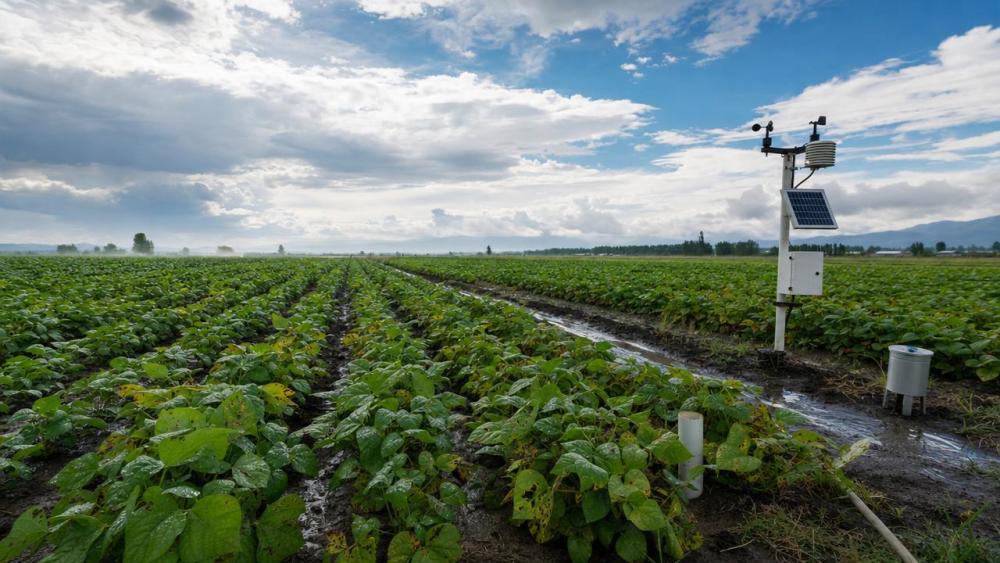
Many crop protection methods were designed around relatively stable seasonal patterns. Spray timing, pest scouting intervals, fungicide rotation plans, and even storage hygiene schedules often assumed that rainfall, temperature, humidity, and wind would remain within familiar ranges. That assumption is now weaker. Sudden heat spikes can accelerate pest development, extended humidity can increase fungal pressure, and unseasonal storms can wash off treatments before they work. As a result, methods that once appeared reliable may now fail not because they were always poor, but because the operating environment has changed.
For quality control and safety management teams, this shift matters beyond the farm gate. Failed crop protection methods can create residue risks from repeated applications, increase variability in harvested quality, and disrupt supplier consistency. A weather-driven outbreak may also trigger emergency interventions that raise compliance concerns if products are used too close to harvest or outside ideal label conditions. In other words, changing weather turns crop protection from a routine agronomic task into a broader risk management issue affecting procurement, traceability, and downstream quality assurance.
Another reason for failure is that weather stress weakens crops themselves. Plants under drought, flooding, or temperature shock are often less able to tolerate pest pressure or recover from disease. Even when a treatment remains technically effective, field performance may still disappoint because crop vigor has already declined. That distinction is important when reviewing complaints, audit findings, or supplier performance reports: the problem may not be only the product choice, but the mismatch between old crop protection methods and new weather realities.
Which traditional crop protection methods are most vulnerable to weather disruption?
Not all crop protection methods fail in the same way. Some break down quickly when field conditions change, while others become less economical or more difficult to verify. The most vulnerable are usually the methods that depend heavily on fixed schedules, predictable pest lifecycles, or stable application windows.
- Calendar-based spraying without real-time monitoring. When pests arrive earlier or disease pressure extends longer than normal, preset dates become unreliable.
- Contact products with short persistence in rainy or highly humid conditions. Heavy showers can reduce coverage and force reapplication.
- Broad-spectrum preventive programs that ignore field variability. These may increase cost and residue exposure without solving the actual pressure point.
- Manual scouting at low frequency. Fast-changing weather can shorten the time between first symptoms and severe damage.
- Single-method pest control strategies. Depending on one chemistry, one timing, or one physical barrier leaves little resilience when conditions shift.
A common example is fungicide use in crops exposed to fluctuating humidity. Under dry conditions, a standard interval may appear sufficient. But if warm nights and repeated dew events increase leaf wetness, disease can spread faster than expected. In that case, the issue is not simply product failure; it is the failure of a static program to respond to dynamic weather risk.
How can quality control and safety managers tell whether the problem is the method, the weather, or the execution?
This is one of the most practical questions in supplier evaluation. When crop damage, contamination, or inconsistent quality appears, the root cause is rarely identified by yield loss alone. A structured review should separate three possibilities: the crop protection methods were outdated, the weather created extreme conditions, or the field team failed to execute properly.
Start by checking timing records against local weather events. If a pesticide was applied just before strong rain or under high wind, reduced performance may be linked to execution or unsuitable timing. Next, compare scouting notes with actual outbreak progression. If monitoring was too infrequent to detect rapid pest buildup, then the control program lacked responsiveness. Then review whether the selected method matched the risk profile. For example, if repeated humidity favored fungal pressure but the supplier relied on basic preventive measures without weather-based adjustment, the weakness lies in the crop protection methods themselves.
Safety managers should also ask whether corrective actions increased regulatory exposure. Emergency resprays, off-cycle treatments, and short harvest intervals can all create residue or documentation problems. A crop protection failure is therefore not only an agronomic issue. It becomes a quality and compliance issue once rushed recovery actions begin.
Quick assessment table for common failure signals
The table below helps teams review whether weak outcomes are more likely related to design flaws, weather pressure, or poor execution.
What are the most common mistakes companies make when reviewing crop protection methods?
One major mistake is assuming that a method that worked for years remains suitable simply because it is familiar. In volatile weather, historical success is no longer enough. Procurement teams, farm managers, and quality personnel may all rely too heavily on past supplier performance without checking whether protection programs have been updated for current climate conditions.
A second mistake is focusing only on product selection and ignoring timing, coverage, and field decision speed. Good crop protection methods are systems, not just inputs. If a supplier buys appropriate products but lacks weather-triggered decision rules, the overall protection plan can still fail. This is especially relevant in industries where multiple growers, contract farms, or regional sourcing bases create inconsistent execution standards.
A third mistake is treating weather disruption as an isolated event. More frequent rainfall extremes, heat stress, or erratic pest emergence should not be reviewed as one-off anomalies. They should be built into audit criteria, crop planning assumptions, and supplier capability assessments. If weather instability is recurring, then crop protection methods must be evaluated for resilience, not just immediate cost.
Finally, many businesses underestimate documentation quality. Under stress, teams may act quickly but fail to record why a treatment was changed, how conditions affected results, or what verification followed. For safety management professionals, missing records are a warning sign. Weak documentation makes it difficult to prove that corrective actions remained compliant and that lessons were captured for the next cycle.
How should businesses compare outdated and adaptive crop protection methods?
The best comparison is not old versus new in a simplistic sense, but static versus adaptive. Outdated crop protection methods often rely on routine: fixed spray intervals, limited field data, and minimal integration with weather forecasts. Adaptive methods are more flexible. They combine monitoring, local climate signals, crop stage awareness, and clearer escalation protocols.
For example, a static method may schedule treatments every two weeks regardless of changing disease pressure. An adaptive approach may use disease forecasting, canopy humidity data, and threshold-based scouting to determine whether a treatment is needed sooner, later, or not at all. This can improve both control and input efficiency. It may also reduce unnecessary applications, which is valuable for residue management and cost control.
From a business perspective, adaptive crop protection methods are stronger when they include cross-functional visibility. Quality teams need access to treatment records. Safety managers need to confirm label compliance and worker exposure controls. Buyers and supply chain partners need confidence that a supplier can maintain consistency despite weather volatility. The method is not truly adaptive if only the farm technician understands it but the documentation and governance do not support it.
Practical comparison points
- Does the program respond to rainfall, heat, and humidity shifts in real time?
- Are scouting and intervention thresholds clearly defined and recorded?
- Can the supplier show evidence of resistance management and rotation logic?
- Are post-treatment results evaluated, or is application considered the end of the process?
- Do the crop protection methods support quality assurance, food safety, and audit readiness?
What should quality control and safety teams ask suppliers before accepting a crop protection program?
Supplier conversations should move beyond asking which pesticides or treatments are used. The more important question is how crop protection methods are adjusted when weather conditions move outside normal patterns. A capable supplier should be able to explain not only the tools they use, but the decision logic behind them.
Ask how the supplier monitors local weather and field pressure. Find out whether action thresholds are defined for key pests, diseases, or weed risks. Review what happens after a wash-off event, a heatwave, or delayed field access. If the answer is simply “we spray again,” that may indicate a reactive program with weak control over residues, costs, and compliance.
It is also useful to ask for evidence from prior seasons. Have they changed crop protection methods because of recent weather shifts? Did those changes reduce losses or improve consistency? Can they show treatment logs, scouting reports, and corrective action records? For businesses operating across agriculture, forestry, animal husbandry support chains, fisheries-linked feed sourcing, or light processing industries, this level of transparency can reduce risk throughout procurement and production planning.
Another important point is workforce readiness. Even strong crop protection methods can fail if staff are not trained to recognize weather-triggered risk or to apply products safely under changing field conditions. Safety managers should therefore review training frequency, PPE compliance, and emergency response procedures alongside technical agronomy plans.
What does a more weather-resilient crop protection strategy look like in practice?
A resilient strategy usually combines several elements rather than relying on one intervention. It starts with better observation: more timely scouting, stronger field records, and regular use of local weather data. It then adds flexibility in timing and method selection. Instead of forcing the same routine every season, it allows adjustments based on actual field pressure, crop stage, and forecast conditions.
It also includes preventive thinking beyond chemicals alone. Crop rotation, canopy management, drainage improvement, resistant varieties where suitable, sanitation, and targeted biological or physical controls can all support more stable outcomes. These measures do not eliminate the need for treatment, but they reduce dependence on any single tactic. That matters when changing weather makes traditional crop protection methods less predictable.
For quality and safety teams, resilience also means verification. A better strategy should produce better records, clearer trigger points, more controlled corrective actions, and stronger consistency in harvested materials. When those elements are visible, businesses can make more confident decisions on supplier approval, procurement continuity, and risk mitigation.
What should be clarified first before selecting, updating, or auditing crop protection methods?
Before moving into a new season, launching a sourcing partnership, or reviewing a high-risk supplier, it helps to clarify a short list of practical questions. Which weather variables most often disrupt this crop and region? Which pests or diseases are becoming less predictable? How fast can the field team detect and respond to new pressure? What documentation is available to prove compliant execution? And how do the current crop protection methods affect residue management, quality consistency, and operational cost?
These questions create a stronger foundation than simply comparing product names or treatment budgets. They help organizations judge whether a supplier is prepared for volatility, whether current controls are still fit for purpose, and where upgrades are most urgent. If further confirmation is needed on specific solutions, parameters, implementation timelines, pricing, or cooperation models, the first priority should be to discuss local weather risks, monitoring systems, adjustment rules, compliance records, and post-event response procedures before finalizing any crop protection decision.
Related News
- 00
0000-00
EU Static Control Rule Takes Effect on July 15 - 00
0000-00
Industrial Flooring for Warehouses: How to Choose by Load, Traffic, and Maintenance Needs - 00
0000-00
How to Evaluate an ESD Chair Supplier in Europe for EPA and Cleanroom Use - 00
0000-00
Conductive Vinyl Flooring vs ESD Tile: Which Option Fits Cleanrooms and Electronics Areas? - 00
0000-00
Static Decay Time Benchmark Explained: What Counts as a Pass in ESD Control Testing?
Lina Clean
Weekly Insights
Stay ahead with our curated technology reports delivered every Monday.
News Recommendations
The five pillar industries provide end-to-end industry intelligence.
 Author :Dr. Elena BioSupplier Capability Evaluation Audits: Criteria for Reducing Supply Chain RiskSupplier capability evaluation audit criteria help procurement teams verify capacity, quality, compliance, and resilience—reducing supply chain risk before approval.
 Author :Dr. Elena BioHow to Set Agricultural pH Level Specifications for Soil and Irrigation WaterAgricultural specification guide pH level: set practical soil and irrigation water limits, improve nutrient efficiency, protect equipment, and reduce crop risks.
 Author :Lina CleanHow to Qualify a Portable Particle Counter Supplier for GMP Cleanroom MonitoringChoose a portable particle counter supplier with proven GMP calibration traceability, data integrity, responsive service, and lifecycle value for reliable cleanroom monitoring.
 Author :Dr. Aris ChemHow Polycarboxylate Superplasticizers Cut Concrete Water Demand Without Sacrificing StrengthConcrete water reduction ratio polycarboxylate solutions help lower water demand while preserving strength, workability, stability, and production reliability. Explore smarter PCE evaluation.
 Author :Dr. Hideo TanakaSelecting ATEX Pressure Sensors for Zone-Classified Gas and Dust EnvironmentsATEX pressure sensor selection guide for Zone-classified gas and dust environments. Explore Ex markings, temperature limits, protection methods, and certified installation essentials.
 Author :Vibration AnalyzersIP67 vs IP69K Sensor Ratings: Selecting Protection for Middle East Dust and WashdownIP67 vs IP69K sensor rating Middle East: compare dust, immersion and hot washdown protection to select reliable sensors for demanding regional conditions.
 Author :Dr. Elena BioChemical Industry Outlook: Feedstock Costs, Supply Risks, and Demand SignalsChemical industry outlook: assess feedstock costs, supply risks, and demand signals to strengthen sourcing, pricing, inventory, and resilient growth.
 Author :Vibration AnalyzersHow to Select an Edge Computing Sensor Gateway for Low-Latency Industrial MonitoringEdge computing sensor gateway selection guide for low-latency industrial monitoring. Compare compatibility, reliability, security, and integration to improve uptime.
 Author :Dr. Elena BioFood Packaging Policy Updates: What Compliance Teams Must Track in 2026Food packaging policy updates for 2026: build a market-ready compliance system for food contact safety, recycled content, labeling, supplier evidence, and packaging claims.
 Author :Dr. Aris ChemMortar Bond Strength Test: Methods, Failure Modes, and Acceptance CriteriaMortar bond strength test guide: compare methods, interpret failure modes, and set project-specific acceptance criteria for reliable masonry performance.
 Author :Vibration AnalyzersSmart Factory Automation News: Which Investment Signals Matter to Discrete Manufacturers?Smart factory automation news: discover the investment signals that help discrete manufacturers improve quality, flexibility, uptime, and ROI without costly disruption.
 Author :Dr. Elena BioHow to Evaluate Fishery Technology Suppliers in Europe for Fleet Upgrade ProjectsFishery technology supplier Europe guide: evaluate fleet upgrade partners for compatibility, compliance, lifecycle cost, service coverage, data security, and risk-adjusted value.
 Author :Dr. Elena BioSingle-Use Bioreactor Cost: What Drives Pricing and Total Cost of Ownership?Single use bioreactor cost explained: compare purchase price, bag expenses, automation, service, and total cost of ownership for smarter procurement decisions.
 Author :Dr. Elena BioAgricultural Specification Guide: What pH Levels Do Different Crops Need?Agricultural specification guide pH level: discover ideal soil pH ranges for major crops, avoid nutrient lock-up, and improve yield with smarter testing and amendments.
 Author :Dr. Aris ChemHow to Evaluate a Powder Polycarboxylate Ether Factory for Reliable Concrete SupplyEvaluate a powder polycarboxylate ether factory with practical guidance on quality control, concrete compatibility, supply reliability, and total cost performance.
 Author :Dr. Aris ChemConcrete Strength Price: How Mix Grade, Cement Content, and Admixtures Affect CostConcrete strength price explained: compare mix grade, cement content, aggregates, admixtures, and delivery costs to secure reliable performance and better value.
 Author :Dr. Aris ChemSelf-Leveling Flowability Metrics: How to Predict Spread and Placement StabilitySelf-leveling flowability metrics reveal how spread, flow retention, rheology, and segregation resistance shape stable placement—explore a practical evaluation framework.
 Author :Dr. Elena BioHow to Evaluate an Industrial Supplier Directory for Reliable Sourcing DecisionsIndustrial sourcing information helps buyers assess supplier directory quality, verify lead relevance, and make smarter, lower-risk sourcing decisions. Discover practical evaluation steps.
 Author :Lina CleanHow to Evaluate Low Energy Cleanrooms for HVAC Efficiency and Airflow ControlLow energy cleanrooms: learn how to evaluate HVAC efficiency, airflow, pressure cascades, recovery tests, and lifecycle costs for reliable contamination control.
 Author :Dr. Elena BioSupplier Capability Assessment Criteria: A Practical Scorecard for Procurement TeamsSupplier capability assessment criteria: build a practical procurement scorecard to verify quality, capacity, traceability, delivery resilience, and supplier risk controls.
 Author :Lina CleanHEPA Filtration in Europe: Which EN 1822 Requirements Matter for Cleanroom Projects?HEPA filtration Europe guide: understand EN 1822 H13/H14 requirements, MPPS testing, leak scans and cleanroom integrity checks for confident project specifications.
 Author :Dr. Elena BioSupplier Capability Assessment Checklist: 12 Criteria to Reduce Sourcing RiskSupplier capability assessment checklist: explore 12 essential criteria to evaluate quality, capacity, compliance, traceability, and delivery reliability—reduce sourcing risk and build resilient supplier partnerships.
 Author :Lina CleanHow to Set Cleanroom Environmental Alert Limits for Lithography Yield ControlLithography environment control alerts for cleanroom yield: learn to set warning and action limits that detect drift early, reduce false alarms, and protect wafers.
 Author :Dr. Elena BioAgriculture Supply Chain News: What Disruptions Mean for Crop Input BuyersAgriculture supply chain news helps crop input buyers manage fertilizer, seed, pesticide, and logistics disruptions with smarter sourcing strategies and stronger supply resilience.
 Author :Marcus AeroEurope Aviation MRO Market Trends 2026: What Airlines and Suppliers Should WatchAviation MRO market trends 2026 Europe reveal where engine bottlenecks, labor shortages, digital upgrades, and supplier partnerships will reshape airline costs, capacity, and competitive advantage.
 Author :Dr. Elena BioHow to Evaluate Wastewater Treatment Solutions for Compliance, Cost, and Site NeedsSolution evaluation resources for wastewater treatment: learn how to compare compliance, lifecycle cost, and site constraints to choose reliable systems with less risk.
 Author :Dr. Elena BioWhat Procurement Product Evaluation Resources Help Buyers Compare Vendors Faster?Procurement product evaluation resources help buyers compare vendors faster with spec sheets, scorecards, cost models, and compliance checks that reduce risk, delays, and hidden costs.
 Author :Dr. Aris ChemHow Insulation R-Value Affects Chemical Processing Energy Costs and ROIInsulation r-value chemical metrics cost analysis shows how better insulation cuts energy spend, improves process stability, and delivers faster ROI in chemical processing.
 Author :Marcus AeroLightweight Material Innovations in Manufacturing: What Engineers Should WatchLightweight material innovations news manufacturing: explore which composites, alloys, and bio-based polymers are truly production-ready, lower risk, and worth engineers’ attention now.
 Author :Dr. Elena BioCrop Input Buyer Guide: How to Compare Fertilizer, Seed, and Chemical OptionsCrop input buyer guide for smarter fertilizer, seed, and chemical decisions. Compare real cost, field performance, compliance, and supplier reliability to protect farm margins.
 Author :Dr. Elena BioHow to Evaluate Animal Nutrition Purchasing Specifications for Ingredient QualityPurchasing specification resources animal nutrition teams use should define quality, safety, traceability, and receiving standards—learn how to compare ingredient specs and avoid costly sourcing mistakes.
 Author :Dr. Elena BioHow to Evaluate Animal Feed Additives for Livestock Performance and Cost ControlAnimal feed additives: learn how to compare function, inclusion cost, performance impact, and supplier reliability to improve livestock results and control feed spend.
 Author :Marcus AeroHow to Use Airframe Fastener Fatigue Data to Predict Joint Life and Inspection IntervalsAirframe fastener fatigue data explained in a practical guide to predict joint life, assess crack growth, and set safer inspection intervals with more confidence.
 Author :Lina CleanChina Customs Launches Fast-Track Export Clearance for FFU and HEPA FiltersChina Customs launches fast-track export clearance for FFU and HEPA filters, targeting 48-hour processing at key ports. Explore how this pilot boosts compliance confidence and delivery predictability.
 Author :Marcus AeroHow to Evaluate an Aircraft Heat Exchanger Supplier for Aerospace ProgramsAircraft heat exchanger supplier selection can make or break aerospace programs. Learn how to assess compliance, quality systems, engineering depth, lead times, and total cost before award.
 Author :Lina CleanChina-UAE Direct Sea Route Cuts FFU and HEPA Lead Times by 7-10 DaysChina-UAE direct sea route cuts FFU and HEPA lead times by 7-10 days, helping Gulf buyers improve cleanroom supply planning, project timing, and delivery stability. Learn what it means now.
 Author :Dr. Elena BioFood Grade Plastics Compared: How to Evaluate Safety, Heat Resistance, and CostMaterial comparison guide for food grade plastics: compare safety, heat resistance, and cost to choose the best resin for your application.
 Author :Lina CleanChina Imposes Temporary Helium Export Controls, Raising Supply Chain Questions for FFU and HEPA MakersChina helium export controls raise urgent questions for FFU and HEPA makers. Learn how compliance, cleanroom testing, and delivery stability may be affected.
 Author :Dr. Elena BioHow Single-Use Tech Impacts CDMO Efficiency, Cost, and Scale-Up DecisionsImpact of single-use tech on CDMO efficiency, cost, and scale-up decisions—discover key trade-offs, hidden savings, and smarter capacity planning.
 Author :Lina CleanChina's Helium Export Ban Puts FFU and HEPA Testing Under PressureChina’s helium export ban is pressuring FFU and HEPA testing, threatening calibration, certification, and delivery for exporters.